Dungeon Crawler Carl has a creative and interesting premise: take an RPG video game, turn it into a story, and make the whole thing completely ridiculous.
Earth is essentially flattened in an instant, killing anyone who happened to be inside a building or structure. Those lucky (or unlucky) enough to be outside survive, only to be forced into an enormous dungeon where they become “crawlers.” From there, it’s basically a video game come to life: kill monsters, level up, earn achievements, find loot, fight bosses and try not to die.
Carl is quite a gem. He starts as something of an anti-hero — a guy who was treated terribly by his cheating girlfriend Bea and now finds himself running around an alien dungeon with no pants or shoes — but you slowly see just how good of a person he actually is.
The real treat, though, is Donut.
Donut is Bea’s former prize-winning cat who can now talk, and she’s pretty hilarious in her own right. She’s dramatic, obsessed with becoming famous, and more than happy to spill some unfortunate details about Bea’s extracurricular activities to Carl along the way.
I also really enjoyed Mordecai, their assigned safe-room assistant. He’s loyal, smart and becomes a great guide for Carl and Donut. Zev, their PR agent from the very corporation running the dungeon is surprisingly likable too.
There are plenty of genuinely fun moments. The bizarre creatures and bosses are often funny, and some of the best scenes involve Carl figuring out creative ways to beat enemies rather than simply overpowering them. The storyline involving survivors from a retirement home also gives Carl an opportunity to become something more than just another crawler trying to stay alive.
But this is also where the book eventually lost steam for me a bit.
The format gets fairly repetitive: Meet enemy. Fight enemy. Achievement unlocked. Get loot. Check map. Level up. Repeat.
If you play video games, none of that feels particularly groundbreaking. And by the end, I found myself waiting for the larger story to finally go somewhere, and for me it doesn’t really.
There’s no satisfying conclusion to the first book because this is clearly meant to be one continuing adventure. You finish one stage of the dungeon and move on to the next. After an entire book, I wanted at least a little more payoff.
Ultimately, Dungeon Crawler Carl seems much more interested in action, ridiculous situations, R-rated humor and funny dialogue than getting you toward a conclusion. And there’s nothing necessarily wrong with that! It’s entertaining, funny and incredibly easy to read.
I really enjoyed my time with Carl and Donut but I’m just not ready to follow them down another flight of stairs quite yet.
I’m not sure there’s much I can say about Lonesome Dove that hasn’t already been said. It’s one of the best books I’ve ever read.
And for a book that’s 858 pages long, what’s remarkable is how little of it feels wasted. Larry McMurtry fills this thing with so many characters, places, relationships and little adventures that by the end, it feels less like you read a story and more like you spent a long stretch of your life traveling alongside these people.
The characters are what really got me.
Gus McCrae has to be one of my favorite characters I’ve ever encountered in a book. He’s slick, funny, woman-loving, incredibly capable and carries himself with this mystique where you get the sense that nobody is ever really going to get the better of him. Well, except Clara. He can be one mess of a fighter, but he can also be incredibly gentle, especially in his relationship with Lorena. There’s a warmth underneath all the swagger that makes him impossible not to love.
Then there’s Captain Call, who is almost the exact opposite. He barely has a personality on the surface. He’s hard, quiet, honest and completely obsessed with doing what he believes is right. He loves being alone. He understands work and duty much better than he understands people. And yet underneath all of that is this huge contradiction involving Newt, his son, whom he can never quite bring himself to acknowledge. McMurtry never needs to spell out exactly what’s going on inside Call. You just feel it.
That’s true of so many of these characters. Jake Spoon is careless and selfish, making promises to Lorena he probably never seriously intends to keep and continually finding himself mixed up with the wrong people. July Johnson starts out as a sheriff pursuing Jake and seems to be part of an almost completely different story. Other characters disappear for huge stretches of the book. At times you wonder how all these threads could possibly be connected.
And then, slowly, they are.
That might be my favorite thing about the construction of Lonesome Dove. The world feels enormous. People seem impossibly far away from one another, living their own lives and having their own adventures, and then their paths cross in ways that feel completely natural. Nobody exists simply because the plot needs them to.
There’s also just an endless amount of stuff that happens. A cattle drive across the country could easily become repetitive, but McMurtry constantly interrupts the quiet with these little bursts of danger, tragedy, humor and absurdity. There are outlaws and Indians and storms and shootings and a bull that battles a grizzly bear. There are moments of horrible violence followed by long stretches of dusty cowboys riding across an almost empty landscape.
And somehow, all of it is beautiful.
That’s another thing I loved about McMurtry’s writing. He can make the smallest, most uneventful moments feel as important as the big ones. One of my favorite passages in the entire book is just Gus getting up early, making biscuits outside and watching the sun come up. McMurtry writes:
“It was tribute enough to sunrise that it could make even chaparral bushes look beautiful.”
It’s just a perfect line. A few sentences earlier, he describes the sun rising over the landscape until it “lifted clear, like an immense coin.” There’s no action here. Nothing important to the plot is happening. Gus is making breakfast, enjoying the morning and reading a little from the Bible while his biscuits brown. But these quiet moments are part of what makes the world of Lonesome Dove feel so real. McMurtry lets you live there for a while.
And that beauty is constantly sitting next to brutality. The distances are enormous. Death can come from an animal, a river, another person or simple bad luck. The treatment of women is often awful, and prostitution seems to be one of the few options available to many of them. Violence is always nearby. There’s a sense throughout the book that civilization barely exists and that the people traveling through this country are largely responsible for keeping themselves alive.
But I don’t think Lonesome Dove is really about cowboys or the Wild West.
It’s about people.
It’s about friendship and loneliness and regret. It’s about the strange bonds people form when they go through something difficult together. It’s about men who can survive almost anything physically while being completely incapable of saying what they actually feel. And there’s this sadness hanging over so much of the book, even during its funniest and most adventurous moments.
That sadness becomes especially powerful because, after absorbing the minute details, these people feel real. When something happens to one of them, you don’t just register it as another plot development. You feel like you lost somebody you knew.
That was certainly true for me with Gus.
By the end, I didn’t want to leave these characters. That’s probably the highest compliment I can give a book this long. Instead of being relieved to finally finish, I was sad there weren’t more.
One of the best-written books I’ve ever read, cover to cover, and one of the easiest ratings I’ve given. It doesn’t hurt that while nearing the end, I spent time riding horses with my wife through a Washington forest—truly bringing this to life.
Thrilling, haunting, and genuinely unsettling. This one had me so hooked that I had to physically stop myself from peeking at the last line of each chapter. I just had to know what was going to happen next!
As a reimagining of one of my favorite Edgar Allan Poe stories, The Fall of the House of Usher, Kingfisher takes the bones of the original and expands them in all the right ways. Poe’s story leaves a lot unsaid. This one fills in those gaps while keeping the same sense of dread and decay that made the original so memorable.
The story is told through the eyes of Alex Easton, a retired soldier with a wonderfully dry sense of humor that helps balance out the creeping horror. After receiving word that childhood friend Madeline Usher is gravely ill, Easton travels to the Usher estate and quickly realizes something is deeply wrong. The manor itself feels sick. The surrounding countryside feels sick. Even the lake seems wrong.
What really worked for me was the atmosphere. Kingfisher creates image after image that sticks with you long after you’ve put the book down. The fungal horror elements are especially effective, from the strange hares roaming the grounds to the grotesque discoveries made when one is dissected. Every new detail adds another layer of unease.
One of the most memorable scenes involves Easton spotting a pale figure moving through the house at night:
A white shape… ghost-pale in the dark… moving purposefully toward the stairwell.
The reveal that it’s Madeline is somehow even more disturbing. Her frail appearance and unnatural movements turn a simple walk down the stairs into one of the creepiest moments in the book.
Another scene that I loved involves the mysterious lake outside the manor. Easton steps onto a balcony and notices what appear to be stars reflected in the water.
I looked up… There were no stars.
It’s such a simple reveal, but it stopped me cold. The image of a lake glowing with hundreds of green lights beneath a cloud-covered sky perfectly captures the strange dreamlike horror that runs throughout the novel.
The book moves quickly, but never feels rushed. Every chapter pulled me forward, and the mystery unfolds at exactly the right pace. Add in Easton’s voice, the wonderfully creepy setting, and some genuinely unforgettable imagery, and this became one of the most enjoyable reads I’ve picked up in a long time (and officially breaking my streak of back-to-back-to-back Stephen King novels).
This was my first T. Kingfisher novel, but it definitely won’t be my last.
Stephen King’s The Dead Zone feels like one of those books where the concept does a lot of the heavy lifting early on. A man lives with the ability to touch people or objects and suddenly see fragments of the past or future. That’s classic King territory: supernatural, tragic, weirdly human, and rooted in everyday life. And for me, the beginning and ending of this book really worked.
What I liked most about The Dead Zone wasn’t necessarily the “psychic powers” themselves, but the emotional fallout around them. Johnny Smith is one of King’s more grounded protagonists, being very careful about how/when he uses his powers, even though they carry a heavy mental and physical toll. There’s a sadness hanging over him from the beginning, even before a terrible accident and the following coma changes everything in his life. The car crash sequence itself hits hard because of how ordinary and avoidable it feels. King is so good at making catastrophe feel random and deeply personal at the same time.
The relationship between Johnny and Sarah ended up being one of the strongest parts of the book for me, especially their couple origin story. There’s something bittersweet and haunting about how it all fell apart. Their lives drift apart not because of betrayal or lack of love, but because time itself sort of swallows them whole. I actually wish King had kept them together longer as I think the story still could have explored all of its larger themes while letting that relationship breathe more. Their chemistry gave the book a warmth that I missed later on.
The political rise of Greg Stillson is definitely a fascinating thread in the novel. King paints him less like a traditional polished politician and more like some chaotic traveling salesman mixed with a cult leader and pro wrestler. The bikers, the crowds, the cockeyed construction hat, the almost rock-concert atmosphere around him…it all feels strange and theatrical in a way that becomes increasingly unsettling as the story unfolds. King smartly avoids revealing exactly what future horror Johnny sees coming for a long time, which makes Stillson feel like a walking storm cloud throughout the book.
The Wheel of Fortune chapter also really stuck with me. Something about Johnny, Sarah, the carney running the wheel, and that bizarre hot streak of luck gives the whole section this dreamy, ominous energy. King has always been great at writing scenes that feel slightly “off,” like fate quietly rearranging itself in the background while nobody notices yet. That chapter felt like a warning shot for the tragedy to come.
Another underrated piece of the novel is Johnny’s family life, especially the tension between his exhausted father and his deeply religious mother. Vera Smith honestly feels like she wandered in from a darker version of Carrie. Her evangelical obsession and hysterical interpretation of Johnny’s accident create so much emotional pressure in the household. Meanwhile, Johnny’s dad ends up being one of the most sympathetic characters in the entire story. Which is why I was disappointed when he mostly fades from the book later on. After Vera dies, it feels like some of the emotional texture disappears with her. The book loses a little of its spark after that point.
And that’s probably my biggest issue with The Dead Zone overall: the middle section drags. Hard. There’s a long stretch where the momentum just sort of evaporates, and unlike some of King’s longer books, the prose here doesn’t always compensate for it. Usually King can carry you through slower chapters with atmosphere, beautiful small-town observations, or unforgettable character moments. Here, I found myself putting the book down for days at a time without really feeling pulled back in. The novel feels about 100-200 pages longer than it needed to be.
There are also moments where you can feel echoes of other King stories bleeding into this one. The psychic glimpses almost feel like a cousin to the time-bending mechanics of 11/22/63. Stillson carries shades of the populist mob-energy King explores in Under the Dome. Vera’s religious fanaticism recalls Carrie. None of that ruins the book, but it does make The Dead Zone feel slightly less original compared to some of King’s very best work.
That said…the ending absolutely lands (spoiler warning). And it lands in a way that feels deeply “Stephen King.” Johnny believes he may have to become a killer in order to stop Stillson from becoming president. But Stillson’s cowardly act shatters the carefully constructed image he built throughout the novel and changes the path of his history. Johnny dies knowing he altered the future without fully sacrificing his humanity in the process. That’s poetic justice if I’ve ever seen it.
Overall, I liked The Dead Zone more than I loved it. The highs are very high. The emotional core works. The political storyline becomes increasingly compelling. The opening and ending are both fantastic. But the middle stretch really loses steam, and the book never fully reaches the emotional or atmospheric heights of King’s absolute classics for me.
Still very much worth reading, but ranked in the third tier of Stephen King favorability for me.
After just finishing The Dark Half, my feelings on the novel are oddly similar to the core of the story. Meaning, I’m in the middle on how I feel about it. I liked it, didn’t love it, but it’s one of those books I’ve kept thinking about after finishing, which usually means there’s something there.
The whole thing is really about duality, but in a very literal, uncomfortable way. Not just “you have a dark side,” but what happens if that side is actually the version of you that works. The one that succeeds. The one people respond to. And what if that version doesn’t want to stay contained.
That idea carries the book more than anything else.
What I liked most was how my perception of the main character Thad kept shifting. Early on he feels like a guy who kind of gamed the system. Created a pen name (George Stark), wrote under it, found success that way. It almost feels a little cheap at first. But as the story goes on, that explanation stops working. It starts to feel less like something he chose and more like something that happened to him. Like he’s not fully in control of where that other side came from or what it wants.
That’s where King is always good. He takes something that seems explainable and slowly makes it feel inevitable.
And by the end, you’re not really asking “how does this end,” you’re asking what he’s willing to do. Does he give in to it? Does he fight it? Is it even possible to separate the two? There’s a version of this story where it’s clearly good vs evil, but this never really lets you settle into that.
I also liked the police character (Sheriff Alan Pangborn) assigned to all the murders occurring. He starts as the only grounded person in the story, trying to apply logic to something that should make sense. And then over time, that just breaks down. Watching someone slowly accept that the rules they rely on don’t apply here is always a strong move in King books.
Where it lost me a bit is that the world didn’t feel as full as his best stuff. Outside of Thad and his other half, there isn’t a ton of depth to the other characters. His wife Liz gets some attention, but overall it feels more contained than what I usually expect from him.
At the same time, that probably helped it. It’s shorter, tighter, and it doesn’t drag. Honestly if this was a longer book, I might not have finished it. The story itself isn’t strong enough to carry an extra couple hundred pages.
There was also something I kept expecting to connect that never really did. The thread with his kids felt like it was pointing toward something bigger, especially given the whole duality theme, and it just sort of… doesn’t go there. Maybe that’s intentional, maybe it’s just left open, but it felt like there was another layer that could’ve been pulled in.
The ending is where it really picked up for me. It’s darker than I expected, even for King. Not just in what happens, but in the feeling it leaves you with (sparrows—mythology—psychopomps—an insane feather-swarming occurrence etched forever in my memory with them and Thad/George). It doesn’t wrap things up cleanly. It feels more like a warning than a resolution. Like even when something is “over,” it might not actually be finished.
I wouldn’t put this in his top tier, but it has one of his more interesting core ideas. It almost feels like a more personal book about identity and the cost of success, just told through a horror lens.
Rating: 7/10
What’s next: hoping I haven’t hit the ceiling on King books yet. Moving on to The Death Zone next and have high hopes!
Music is the soundtrack to my days, what helps me process the world, and makes life experiences even more memorable. As such, I put together a list of the best and most important records that made my year, in the hopes that you find something new to listen to.
Curated Playlist (standout tracks from each album):
Mental—absolutely mental. That’s really the only way to describe Violet, the second LP from L.S. Dunes, in a concise and impactful grouping of words.
Things start calmly enough on “Like Magick,” though you can feel the tension steadily building toward something far more frenetic. That release arrives immediately on the explosive “Fatal Deluxe,” as Anthony Green (of Circa Survive and Saosin) screams—no, shrieks:
“Burn, focus, with a thirst unnatural…”
From there the album only escalates. The center stretch becomes a force of its own, driven not just by the abrasive yet beautiful musical delivery from this supergroup—featuring members of Thursday, My Chemical Romance, and Coheed and Cambria—but also by the confrontational lyrical hooks in tracks four through six.
From “Violet”:
“Know that I forgive you but I never will forget Unmoved by the attention so I retract the sentiment The moment I forgave you, I regretted it.”
From “Machines”:
“Wild cry, eczema wreath, wild cry, eczema wreath Tonight it can be anything you want The right direction, right direction Try again, try again, try again, try again.”
From “You Deserve To Be Haunted”:
“My delusion, resist the impulse, the futile cause The final move, a haunted cross Will the sickness spread with the witness gone?”
An absolute 10 out of 10 makes perfect sense as none of Violet’s ten tracks are skippable. There’s no doubt this album is helping someone work through very dark times. And it feels fitting that the record closes with “Forgiveness,” a song that simply asks the listener to keep their loved ones safe, far away from the enemy (which is the writer)—something that, at times, may be the hardest but most necessary thing to do.
When an album is this fearless, this cathartic, and this impossible to ignore, the top spot becomes less of a choice and more of a certainty.
Standout Tracks: Like Magick | Fatal Deluxe | I Can See It Now… | Violet | Machines | You Deserve To Be Haunted | Holograms | Paper Tigers | Things I Thought Would Last Forever | Foregiveness
2. Thrice – Horizons/West
Horizons/West arrives at a perfect time where AI-created songs are filling up playlists; it is proof that something so natural sounding, so vibrant, so alive could never be created using any type of artificial flavoring or assistance. You would think being the 12th studio record from these Irvine, California natives that there wouldn’t be much left to say, especially given the tidy genre labels so ungenerously tacked to this band. But there’s no simple way to explain how the quietest and loudest moments, paired with themes of truth and spiritual clarity in the complex modern world, highlight Thrice’s ability to go once again beyond their preconceived boundaries.
The three-four-five track run of “Albatross” –> “Undertow” –> “Holding On” is a masterclass in album sequencing, each song building emotional and sonic momentum. Gnash snarls and slashes apropos to its name. On “Vesper Light,” Dustin Kensrue reaches falsettos that somehow make the chorus yowls hit even harder.
It would be easy to continue pulling out a standout moment from every track. Said differently, Horizons/West doesn’t rely on one, two, or even a group of tentpole songs; every piece finds its own to create an album, a truealbum at the core of the definition, that is immersive and entrancing from the first building note to the final descending rumble.
Few bands twelve albums deep can still sound this inspired, this purposeful, and this alive—and that’s exactly what makes Horizons/West such a remarkable runner-up.
Standout Tracks: Blackout | Gnash | Albatross | Undertow | Holding On | The Dark Glow | Distant Suns | Vesper Light
3. Ben Kweller – Cover the Mirrors
Being sad isn’t supposed to sound this happy, it just doesn’t seem possible. Maybe it’s Ben Kweller’s forever-youthful voice, or the overt nerd-pop glow that immediately calls to mind Blue Album-era Weezer. Maybe it’s simply our instinct, as humans, to search for light in the darkness, especially when we know the real-life event that inspired this record, quietly tipping the half-empty glass toward something sunnier. There’s a temptation to hear joy where there should only be grief.
But no, it’s more than that. Cover the Mirrors is an exceptional piece of work. Kweller has always been good, but this is a different level entirely: Jeff Tweedy-level directness in the vocal delivery, immaculate yet crunchy power-pop craftsmanship, and lyrics that don’t just describe feelings but paint scenes you can’t forget, like those spots/afterimages you see when you close your eyes tight after looking at something bright. It’s music that understands sadness doesn’t have to be dour to be truthful, and that sometimes the brightest melodies are the most honest way to survive what hurts.
Albums like this have a way of settling deeper with time, and it wouldn’t be surprising if Cover theMirrors quietly grows into the record I remember most from this year.
Standout Tracks: Dollar Store | Going Insane | Trapped | Oh Dorian | Killer Bee | Depression | Don’t Care | Brakes
4. Deftones – private music
I’m what you’d call a late bloomer when it comes to Deftones. While I enjoyed some of the bigger songs on White Pony—“Digital Bath” still has one of the coolest drum sounds ever—and often heard their name mentioned alongside other favorites like Incubus, I initially wrote them off as poster boys for nu-metal. In doing so, I missed the insane growl-to-grace range of Chino Moreno’s voice, the thunderous guitar riffs that hit like clenched fists dripping with hot tar, and the unexpected dream-pop sensibilities that soften and contrast the band’s detuned, hazy moments.
Thankfully, I came to my senses over the past decade, working my way through their back catalog just in time for private music to become one of the first occasions where I could truly experience a new Deftones release in real time. There’s a rawness that runs through all of private music—even the lack of capitalization in the album and song titles feels intentional, like a quiet statement from the band: this is fully human art, no shortcuts, no gloss, and certainly no room for doubt.
Standout Tracks: infinite source | ecdysis | departing the body | cXz | milk of the Madonna | my mind is a mountain | locked club | I think about you all the time
5. Franz Ferdinand – The Human Fear
“Alright, here we go with riff one” appropriately opens the fabulous sixth studio album from Franz Ferdinand, the post-punk philosophers who hide behind danceable rhythms. Tight, angular riffs aid in the delivery of the band’s trademark swagger. They’ve famously said they make rock music to dance to—and let me tell you, we are dancing.
“Audacious”is the most Beatle-esque we’ve ever heard the Scots sound, though “Black Eyelashes” isn’t far behind, with harpsichord-laden hooks and pounding drums reminiscent of “Being for the Benefit of Mr. Kite.” Other highlights include pulsating rocker “The Doctor,” “Night or Day” (a song that could have easily been included among their early career hits), and the powerfully aching “Tell Me I Should Stay.”
I think the fear referred to in the title The Human Fear is intimacy, about wanting connection and being exposed by it, or the ache of needing someone while pretending you don’t.
Franz Ferdinand have a reputation for being cheeky (even a little silly), and don’t get me wrong, that label fits. But in time, I think they’ll be properly recognized for what they truly are: meticulously crafted songwriters, buoyed by Kapranos’s theatrical yet tender vocals, a rhythm-first approach, and a rare virtuosity of taste, control, and intent.
Standout Tracks: Everydaydreamer| Night or Day | Audacious | Black Eyelashes | The Doctor | Tell Me I Should Stay | Bar Lonely | The Birds
6. Inhaler – Open Wide
Inhaler have truly come into their own these past few years, filling a very specific hole in my music collection left by the disbanding of so many jangly indie-rock acts and anthemic guitar music saviors of the early aughts. I’ve been binging on their records this year, revisiting their excellent debut album, which I’ve adored for years, and working my way through the rest of their catalog.
Open Wide didn’t grab me at first; maybe it felt a little too ’80s-influenced or safe. But it eventually clicked once I heard it in context with the rest of Inhaler’s work, especially when it became clear they were aiming for a more dynamic, synth-driven pop sound. “X-Ray” is an exuberant rocker, built around a breathy, gentle, and unforgettable chorus that perfectly lands on the line “feels like heaven.” The subtle yet propulsive bass line on “Again” is a thing of beauty, as is the inward-looking and immediately immersive “Charms.”
Standout Tracks: Feels Like Heaven | Charms | X-Ray | Again | Your House | Billy (Yeah Yeah Yeah) | Even Though
7. Matt Embree – Orion
An album like Orion is hard to put into words, but here goes nothing: groove-driven songs that stroll rather than run, pairing spiritual, political, and personal reflections with the act of learning to sit peacefully with the cards you’re dealt. Every piece of music seems intentional—well considered, carefully crafted, and never rushed.
“Side Eye” stands out for the space its production leaves, allowing the roaming bassline and sticky melody to burn through. Many of the songs feel built for late nights and long days, like “Bad Actors,” with its rolling Mellotron and sneaky catchiness. The true apex, though, is “Miscellium,” which resembles capturing an idea before you know what it’s going to become—keeping momentum so nothing slows down, much like the act of sketching. Even so, the pre-chorus and chorus land with absolute precision.
The only real drawback is the album’s short length, but if rumors hold true and a new Rx Bandits record is on the horizon, that concern may soon be eased. Although, if haunting final track “Praying in the Dark” was the last thing we heard from this artist, it would be a standing-ovation worthy swan song.
Standout Tracks: New Noun | Hold Up | Miscellium | Side Eye | Bad Actor | Praying In The Dark | Summer House Savior
8. Hayley Williams – Ego Death at a Bachelorette Party
I was really late to the Paramore party. But I think that puts me at an advantage (more on that in a minute).
Their first album came out in 2005 (All We Know Is Falling), and I didn’t start truly listening to the band until the self-titled record arrived eight years later in 2013. Eight years might not sound like much, but that’s two high schools, or a full high school plus a college. I think the reason Paramore didn’t hit that hard for me at the time was that by 2005 I was already moving past “scene” or emo music and deeper into college indie rock. This makes sense, as it was right in the prime of my formative undergrad years, when being a music taste-maker felt almost as important as graduating. The only music in that genre I kept listening to came from bands I’d already built an unhealthy obsession with, like Death Cab for Cutie (Plans), The Juliana Theory (Deadbeat Sweetheartbeat), and Copeland (In Motion), all of whom released great records that year.
But once I finally got into Paramore, in the same year Pope Francis was elected, during the Edward Snowden NSA revelations, and when Breaking Bad aired its legendary finale, it was on. My obsession started with the irresistible catchiness of songs like “Still Into You” and “Now,” plus the catastrophic energy of “Part II,” then slowly crept backward in time to the incredible “Decode,” and further still into earlier highlights like “Brick by Boring Brick” and the tremendous “That’s What You Get.”
Fast forward, and I got to experience Paramore glory in real time with 2017’s After Laughter, Hayley Williams’ incredible sleepy solo debut in 2020 with Petals for Armor (which in hindsight feels like a premonition for Ego), and the Grammy-winning This Is Why.
Ego Death at a Bachelorette Party somehow feels just as strong as a full Paramore release, but again, only because I was late to the party. The songs are dynamic, catchy as hell, and destined to be loved for years—something that becomes even clearer when diving into the catalog later (see, there’s my advantage) rather than during Paramore’s Hot Topic–crazed years. “Mirtazapine” is a dangerous ear worm, “Kill Me” would absolutely destroy at a ’90s roller-blading rink, and “True Believer” is next-level in terms of Hayley’s songwriting. At this point, it’s hard to imagine a world without Hayley Williams’ music and each new release somehow makes me look forward to the next even more.
Standout Tracks: Ice In My OJ | Glum | Kill Me | Mirtazapine | Brotherly Hate | Negative Self Talk | Ego Death At A Bachelorette Party | True Believer | I Won’t Quit On You
9. The Favors – The Dream
I’ve been aware of Finneas O’Connell for some time, standing alongside his sister Billie Eilish as producer, co-writer, musical director, and more. But I didn’t fully appreciate his standalone abilities until I came across his outstanding cover of “Time of the Season” by The Zombies. His quietly powerful voice has a way of making you feel like you’re in the room with him, and it layers beautifully with other singers.
The Favors, his side project with vocalist Ashe, delivers a beautifully crafted pop record that echoes ’70s folk, baroque pop, and even the sweep of theatrical scores. The heartbreaking post-breakup song “The Little Mess You Made” is a perfect example of how well Finneas and Ashe work together to reach soaring emotional heights. “Times Square Jesus” is a gentler, slow-building tune that grows more dramatic as it unfolds. But the true magic appears on “The Hudson,” which makes you feel like you’re right there walking along the river late at night with this remarkable duo.
In a world of disposable pop, The Dream feels like something carefully built to last.
Standout Tracks: The Dream | Moonshine | The Little Mess You Made | The Hudson | Necessary Evils | Times Square Jesus
10. Perfume Genius – Glory
Perfume Genius has some serious legs to stand on with 2025’s Glory, a record packed with what I can only describe as a collection of “bests.” Blake Mills’s production (Feist, Fiona Apple, Alabama Shakes, etc.) and Jim Keltner’s drumming (John Lennon, Bob Dylan, Harry Nilson, anyone who’s anyone) elevate the inherent beauty of Perfume Genius’s songwriting, emphasizing just how strong these songs are without ever overwhelming them. That balance comes through most vividly on “In a Row,” which thumps along like a dying heart before erupting into sudden bursts of baroque power (proof that it isn’t quite ready to call it quits).
While “It’s a Mirror” was the first new song from any artist this year that truly obsessed me, it’s another track, “No Front Teeth,” that will ultimately stand as my song of the year. I loved it immediately, but it crossed into classic territory at exactly the right moment: about twelve minutes into a cold, dark January run, I turned a corner at the bottom of a hill as sunbeams crept through the pines, illuminating a cluster of steaming bushes. That image, paired with the song’s ethereal, soaring, and cascading vulnerability, landed with stunning force. Glory is a masterwork—one that feels certain to deepen and reveal itself even more with time.
Standout Tracks: No Front Teeth | It’s A Mirror | In A Row | Me & Angel | Clean Heart
About the author:
Kenny Bringelson lives in Woodinville, WA with his wife Kristi and two girls (Charlotte and Olivia). He is a music enthusiast who loves listening to records and playing guitar whenever he can. His background includes years studying education, and a master’s degree in journalism/mass communication. Additionally, Kenny recently completed studies at Washington State University in Viticulture and hopes to start his own wine grape vineyard in the future. As a professional, he has worked in educational technology, financial services, and more.
The Running Man is fast, enjoyable, and completely action packed, a dystopian near-future story built around an antihero named Ben Richards. Stephen King—writing under the Richard Bachman name—imagines a society dominated by something called the “Free Vee,” a nonstop television system that broadcasts various game shows, each varying in degree of difficulty and danger. The concept feels simple on the surface but becomes increasingly unsettling the more the story unfolds.
There appear to be two different types of societies in this future. Of course there are the well-off, and then there are the poor people living in places like Co-Op City. That’s where Richards lives with his wife and his very sick daughter. Desperation pushes him toward one of the most dangerous shows on the Network: The Running Man. The premise is brutal. Richards must survive for several weeks while being hunted by professional trackers across the country. For every hour he stays alive, money is sent back to his family. The only catch is that he has to deposit two videotapes every day describing where he’s been and what’s happening to him.
King uses this setup to create a story that moves incredibly fast while still painting an interesting picture of this dystopian world. There are descriptions of cars that can fly or hover above the ground, constant contamination in the air that people struggle to avoid, and a society that seems completely numb to violence as long as it’s entertaining. Richards makes a few friends along the way, though things mostly go from bad to worse as the Network slowly closes in. At one point he even blows up a YMCA where police are trying to capture him, a moment that perfectly captures the chaotic desperation of the entire situation.
Richards himself is an interesting character because he’s clearly an antihero. You’re not always sure if you actually like him. He’s sarcastic, rough around the edges, and obviously shaped by years of hardship in this unforgiving society. But that roughness makes sense given what he’s been through, and it becomes easier to understand why he makes the decisions he does as the story escalates.
The novel barrels toward an explosive ending where Richards commandeers a jet and essentially turns himself into a human missile, crashing directly into the Network’s building in a final act of defiance. It’s dramatic, destructive, and strangely fitting for a story about a world where entertainment and cruelty have become the same thing.
All in all, The Running Man is a very exciting book with lots of action and constantly moving pieces. The dystopian setting, the nonstop chase, and the morally complicated main character make it a gripping read that’s hard to put down once it gets going.
Elevation is a really beautiful and curious story, a novella that finds the perfect balance of getting somewhat deep on the important characters while also moving quickly through the narrative. Stephen King keeps the focus intentionally small, centering the story on only a handful of people and allowing their relationships to carry the emotional weight of the book.
The premise itself is simple but incredibly intriguing. Scott, a big fella, starts to feel like he’s losing weight. His mood improves, he has more pep in his step, and he generally feels better. The strange part is that nothing about him physically changes. Yet when he jumps on the scale, he definitely is losing weight. Week after week he drops about three pounds, even though his body never seems to change shape. It’s one of those classic Stephen King ideas—slightly surreal but presented in a very grounded way that makes you immediately curious about where it’s going.
What makes the novella work so well is how King uses that strange premise to explore the people around Scott rather than turning it into a full-blown mystery. Scott spends time talking with an elder doctor friend about what’s happening to him, and he also develops an unexpected relationship with two gay women who live nearby and run a restaurant. The town treats them poorly, which gives the story an interesting social undercurrent, but the real focus is on how Scott gradually earns their trust and friendship.
The story moves quickly but never feels rushed. King gives just enough time to the key moments—especially a local 10K race that becomes one of the emotional highlights of the book—while keeping the overall narrative tight and focused. Because the book is so short, there’s almost no wasted space. Every scene either deepens Scott’s relationships or pushes the strange premise forward.
What stood out most to me is how uplifting the story ultimately feels. Despite the unusual situation Scott finds himself in, the tone never becomes dark or heavy. Instead it slowly turns into something about letting the weight off your shoulders and realizing what’s actually important in life—friendship, kindness, and human connection.
Elevation may be a small story in terms of length, but it leaves a surprisingly strong impression. It’s thoughtful, a little strange in the best Stephen King way, and a perfect example of how effective a novella can be when it focuses on character and theme rather than scale.
Carrie is just a well-written—and honestly horrifying—story. It’s one of Stephen King’s most well-known books, so there’s probably no huge need to summarize the entire plot, except for my own memory. What stands out immediately is how simple the premise is and how effectively King turns that simplicity into something unsettling and tragic.
The novel centers on Carrie White, a quiet and painfully awkward high school girl who is brought up by an extremely religious mother determined to force Carrie to follow in her footsteps. That upbringing leaves Carrie completely unprepared for normal parts of life, including a now-famous scene early in the book where she experiences her first period in the girls’ locker room shower. The other girls mock her mercilessly because she has no idea what is happening. It’s a scene that is both uncomfortable and heartbreaking, and it really sets the tone for the rest of the story.
The cruelty from her classmates leads to consequences for some of the girls, including detention that threatens their ability to attend prom. One of them, Chris, refuses the punishment and becomes determined to get revenge on Carrie. Meanwhile another student, Sue Snell, actually feels guilty about what happened and encourages her boyfriend Tommy to take Carrie to prom as a genuine act of kindness. That decision creates one of the most emotionally interesting parts of the book because, for a brief moment, it seems like Carrie might finally be accepted.
Of course, this is a Stephen King story, and things don’t stay hopeful for long. What begins as a simple act of teenage cruelty eventually escalates into something far darker, especially once Carrie’s telekinetic abilities start to emerge. The famous prom sequence is chaotic and terrifying, and it transforms the novel from a story about bullying into something much larger and more destructive.
One of the most interesting aspects of Carrie is the way King structures the book. Instead of telling the story in a completely straightforward way, he jumps between multiple perspectives and formats—Sue Snell’s later reflections, excerpts from police interviews with survivors, and even newspaper articles examining what happened. That approach gives the novel a strange documentary-like feeling, as if the reader is piecing together the aftermath of an event that shocked an entire town.
Reading it now, it’s also fascinating to see such early writing from King. The voice isn’t quite as polished as some of his later work, but the ideas are already incredibly strong. You can clearly see the themes that would come to define much of his career: social cruelty, small-town pressure, and the terrifying consequences of power appearing in the wrong place at the wrong time.
Even decades later, Carrie still feels tense, tragic, and strangely sympathetic toward its central character. It’s easy to see why it became such an iconic story.
Gwendy’s Button Box and Gwendy’s Magic Feather make for a fascinating but uneven pair of novellas, built around an interesting concept that starts strong but loses some momentum along the way. The first book—co-written by Stephen King and Richard Chizmar—is a fun, very fast read at just 166 pages, something that can easily be finished in a single day. It’s highly engaging and reads somewhat like a King story, though with noticeably less character, setting, and plot development than many of his longer works.
The story centers on a very young girl named Gwendy whose life changes when a mysterious man named Richard Ferris suddenly appears and gives her a strange wooden box. The box has several buttons: seven colored ones for each continent, a red button that can grant “whatever you want,” a black button she eventually calls the “cancer button,” and a small lever that spits out delicious chocolates. Ferris gives almost no real guidance about how the box should be used and then disappears, leaving Gwendy alone with something that clearly carries enormous power.
What makes the premise so compelling is the uncertainty surrounding Ferris himself. He’s not quite as openly sinister as some of King’s classic villains—especially someone like Randall Flagg—but there’s something undeniably creepy about him. You never really know if he has good intentions or if he’s simply testing people by placing dangerous power in their hands. Watching how Gwendy grows up with the box quietly influencing her life is the most interesting part of the story.
The first novella moves quickly but still manages to deliver a few dark and memorable moments. At times it almost feels like a moral fable about temptation and responsibility, exploring what happens when someone ordinary is handed something capable of enormous consequences. The pacing and simplicity actually work in its favor, even if the story occasionally feels a little thin.
The sequel, Gwendy’s Magic Feather, shifts the story forward many years and follows Gwendy as an adult returning to Castle Rock around Christmas and New Year’s. This time she’s a congresswoman, and the mysterious box once again finds its way back into her life. Unfortunately the difference in authorship becomes noticeable here. This second installment is written solely by Richard Chizmar, and the writing often feels more half-baked and predictable compared with the first book.
The ideas are still interesting—there are magical events, personal struggles, and even a mystery involving murdered girls—but the execution doesn’t feel nearly as sharp. The pacing is slower in places, and the narrative lacks some of the tension and atmosphere that made the original novella so engaging. While it’s still a quick and readable story, it doesn’t quite capture the same sense of intrigue surrounding the box or the character of Richard Ferris.
Taken together, the two books are still enjoyable as a concept. The mysterious box, the moral ambiguity behind its powers, and the lingering presence of Ferris make the series intriguing enough to keep exploring. With Stephen King returning as a co-writer for the third book, there’s reason to hope the story regains some of the energy that made the first installment so compelling (but I haven’t quite gotten there yet).
The Stand is massive in every possible way. At over 1,000 pages, it’s easily one of Stephen King’s biggest and most ambitious novels, both in scope and in the sheer number of characters and storylines it tries to juggle. Finishing it feels a bit like completing a long journey, one that moves from eerie realism to something much larger and more mythic as the story unfolds.
One thing that immediately stood out to me was how glad I am that I didn’t read this before the pandemic. The early sections of the book are almost uncomfortably realistic. King’s fictional virus, known as “Captain Trips,” begins with a lab accident and quickly spreads across the country, wiping out the vast majority of the population. The way people panic, turn on each other, and slowly realize how bad things are becoming feels almost too real at times.
The descriptions of the aftermath are incredibly vivid. There are scenes of tunnels packed with car wrecks and decaying bodies, homes filled with the same, and detailed accounts of what the disease actually does to people as it progresses. King describes the physical symptoms—like the black welts in the throat—with a level of detail that makes the whole situation feel disturbingly believable.
The novel also features probably the most characters of any King book I’ve read so far, and that’s honestly where my only real criticism comes in. It takes literally hundreds of pages to fully get started because the book spends so much time introducing different people and their backstories. At times it becomes hard to keep track of everyone or tell them apart, especially early on.
That said, once the story settles into its main group of characters, it becomes much easier to connect with the ones who really matter. Nick Andros is one of the standouts—a deaf but incredibly smart and compassionate leader who becomes one of the central figures holding the group together. Tom Cullen is another memorable character, a simple and childlike man who ends up playing a surprisingly important role later in the story. And then there’s Stu Redman, who feels like the heart of the novel in many ways. Stu is just an easy character to root for, a steady and decent person trying to navigate a completely broken world.
As the story moves forward, the novel shifts into its larger central theme: the divide between good and evil. Survivors eventually gather into two main groups—Mother Abigail leading the community in Boulder, and Randall Flagg building his own society in Las Vegas. The conflict between those two sides becomes the core of the book, though King keeps things interesting by occasionally showing that the moral lines aren’t always as simple as they appear.
Some of the most memorable moments come late in the novel, when the tension between the two sides finally reaches its breaking point. The events surrounding the confrontation with Flagg’s followers are intense, strange, and very much in line with King’s tendency to mix horror with something almost supernatural.
In the end, The Stand feels like one of King’s most ambitious books—an enormous story about survival, morality, and what people do when the structure of society disappears. It can be a little slow getting started, and the huge cast of characters sometimes makes things harder to follow, but the scale and imagination behind the story make it hard not to admire.
It’s definitely up there with his best work, even if it’s not quite my personal favorite.
The Stranger in Her House is a fun, twisty thriller that keeps the reader guessing almost the entire way through. Kristi recommended I give this one a try, and I’m glad I did—it’s the kind of book that pulls you along quickly with lots of reveals, shifting perspectives, and characters who may not be exactly who they claim to be.
The story centers on a woman named Connie who spends much of her time looking after her mother Gwen, who suffers from dementia. Their quiet routine gets disrupted when a charming man named Paul suddenly enters their lives and quickly becomes part of the household. From there the story starts layering on suspicion, secrets, and hidden motives, with the relationships between the characters becoming more complicated the further things go.
What makes the book entertaining is how often the narrative flips expectations. Just when it feels like you’ve figured out who the real villain is, the story pivots and reveals something new about another character. Marrs clearly enjoys playing with those shifting loyalties, and the novel becomes less about one single mystery and more about a group of people who are all hiding something.
There are quite a few twists as the story moves forward, and the book does a good job maintaining that tension for most of the ride. At times it almost feels like the characters are constantly trying to outmaneuver each other, which makes it fun to watch the different schemes unfold. That unpredictability is easily the biggest strength of the novel.
The only real drawback for me was the pacing near the end. After a lot of careful buildup, the final portion of the story moves extremely fast. The last hundred pages or so almost feel like they fly by, resolving several plot threads very quickly after all the twists that came before.
Still, as a fast-moving thriller full of surprises, The Stranger in Her House delivers plenty of entertainment. It’s the kind of book that keeps you turning pages just to see what the next reveal will be.
The Institute is another near-perfect Stephen King read and one that feels a little different from many of his other books. At its core, it’s a story about telekinetic and telepathic kids who are kidnapped from their homes and forced to live inside a mysterious facility known as the Institute. The children are told one thing about why they’re there, but it becomes increasingly clear that something far darker is happening behind the scenes.
The premise itself is immediately compelling. These kids are taken from their families and placed into a controlled environment where they are studied, tested, and experimented on. The Institute is divided into two main sections—Front Half and Back Half—and the progression between the two creates a constant sense of tension as the story unfolds. Even early on, there’s a lingering feeling that things are going to get worse the deeper the story goes.
What really makes the novel work, though, is the way King structures the narrative. The book follows three main storylines that slowly move toward each other. One follows Luke, the incredibly smart young boy trying to figure out how to escape the Institute. Another focuses on Tim, a former cop who is now working as a night watchman in a small town. The third storyline centers on the people actually running the Institute, including Mrs. Sigsby and her staff as they attempt to maintain control and track down problems inside the facility.
Watching those three threads gradually come together is where the book really shines. Each storyline is interesting on its own, but when they start intersecting the tension ramps up in a very satisfying way. King has always been great at juggling multiple perspectives, and here it feels especially effective.
The kids themselves are also a major strength of the novel. Luke forms friendships with several of the other children inside the Institute, and those relationships give the story real emotional weight. Characters like Maureen, the maid who begins to feel guilty about what’s happening, add an extra layer to the narrative by showing that not everyone inside the system fully believes in what they’re doing.
One of the most interesting elements of the book is the larger question behind the Institute’s existence. Without giving too much away, the story eventually raises the idea that the people running the operation believe they are doing something necessary for the greater good. That moral tension—whether terrible actions can ever be justified if the outcome supposedly saves lives—adds a philosophical layer that sticks with you long after finishing the book.
What makes The Institute stand out is how well all these pieces come together: the mystery of the facility, the friendships among the kids, the outside investigation slowly building, and the bigger questions about power and control. It feels like classic Stephen King storytelling but with a slightly different angle than many of his other novels.
For me, it ended up being one of the most engaging King books I’ve read.
Billy Summers is an excellent book and one I thoroughly enjoyed all the way through. At first I wasn’t completely sure what to expect because the premise seems almost surface-level: a sniper hitman taking on one last job before retirement. Billy has a careful plan that will allow him to disappear afterward, even while knowing the people who hired him clearly have their own setup in place that would likely end with him dead after the assassination.
The job itself is straightforward enough. Billy is hired to kill a convict as he comes down the courthouse steps. But the story becomes far more interesting because of the way Billy prepares for the job and the life he creates around it. To stay hidden he moves through multiple personas, blending into different environments while waiting for the right moment. King spends a lot of time showing Billy quietly observing the world around him, and those slower sections are where the book really finds its rhythm.
What surprised me most is how much sweetness there is in Billy as a character. Despite being a professional killer, he constantly shows kindness to the people around him. He befriends a family in the neighborhood and plays Monopoly with the kids, even winning one girl a flamingo stuffed animal at a carnival by playing a shooting game—almost a little too well. In another place he carefully looks after a family’s houseplants while sharing their flat. These small moments make Billy feel far more human than the typical “hitman” character.
Then there’s Alice, one of the most important relationships in the book. Billy helps nurse her back to health after she’s been brutally attacked, and their connection becomes one of the emotional cores of the story. The dynamic between them adds a sense of warmth and purpose to Billy’s life that goes far beyond the original job he was hired to do.
King also spends time exploring Billy’s past, which helps explain why he lives the way he does. There’s deep trauma there—his sister being killed in front of him when he was young, Billy shooting the man responsible in self-defense, and the brutal experiences he went through during his time in Iraq. Those pieces of history make it clear that Billy understands exactly what kind of man he is. He often admits that he’s a bad man, even if he tries to follow one personal rule: he only kills bad men.
By the end, the story becomes less about the assassination itself and more about Billy trying to leave something meaningful behind. One of the most beautiful parts of the novel is the way Alice finishes the story Billy has been writing about his own life. She changes the ending slightly, imagining a version of Billy still out in the world, peaceful and alive. The truth is different, but the act of writing the story helps her discover her own voice.
King closes the emotional arc of the novel with a thought that perfectly captures that idea:
“Did you know that you could sit in front of a screen or a pad of paper and change the world? It doesn’t last, the world always comes back, but before it does, it’s awesome. It’s everything.” This quote speaks to the profound transformative power of storytelling and the ability of writers to create alternate realities and temporarily escape the confines of the real world.
Billy Summers ends up being much deeper and more moving than its premise suggests. It’s a story about violence and redemption, but also about kindness, creativity, and the strange ways people help each other heal.
Rating: 9.75/10 — nearly perfect and maybe top 5 King books.
Misery is one of Stephen King’s most famous horror novels, and while I can definitely see why it’s so highly regarded, it ended up being just okay for me. The premise is simple but very effective: a novelist named Paul Sheldon ends up trapped in the home of Annie Wilkes, his self-proclaimed “number one fan.” From there the story becomes a tense, claustrophobic battle of wills between a writer who just wants to survive and a fan who is far more dangerous than she appears.
Annie is easily the most memorable part of the book. She’s obsessive, unpredictable, and convinced she’s doing the right thing, which makes her both terrifying and fascinating at the same time. King does a great job writing her dialogue and inner logic—she’s the kind of villain who feels disturbingly real because she truly believes she’s justified in everything she does.
Paul is also an interesting character because so much of the story takes place inside his head. A lot of the tension comes from watching him think through his situation, plan small acts of resistance, and try to maintain some sense of control in an environment where he has almost none. Those moments—especially when Annie isn’t around and Paul has to carefully test his limits—are easily the most gripping parts of the book.
Where the novel lost a few points for me was in how gruesome it becomes. Annie’s treatment of Paul gets extremely graphic at times, and the story leans heavily into that physical brutality. For readers who love intense horror, that’s probably part of the appeal. For me, it occasionally crossed into territory that felt more uncomfortable than suspenseful.
Another element that didn’t quite land was the inclusion of large sections of the fictional Misery novel Paul is forced to write. I understand the purpose of those chapters within the story, but they were harder to get through and occasionally slowed the pacing.
That said, the writing itself is still very strong. King builds tension extremely well and creates a setting that feels incredibly claustrophobic, almost like a pressure cooker slowly tightening around the characters. Even when the story dragged slightly for me, it was easy to appreciate how carefully constructed it is.
Overall, Misery is clearly a very well-written psychological horror novel. It just happens to lean more heavily into the kind of gruesome intensity that doesn’t quite land as strongly for me personally. Fans of darker, more visceral King stories will probably love it.
Wow. Just…wow. This one absolutely lands in my top three Stephen King books. It’s one of those stories that sticks with you long after you close the last page.
At the center of it all is John Coffey, who might be the most beautiful and heartbreaking character King has ever written. He’s a massive man on death row, accused of murdering two young girls, and because of his size—and the racism of the time—it’s easy for everyone to assume the worst. He’s sent to Cold Mountain Penitentiary’s death row block, known by the guards as The Green Mile, where inmates take their final walk to Old Sparky, the electric chair.
But John Coffey is not what anyone expects.
What slowly unfolds is the realization that John has an extraordinary gift—he can heal people, pulling sickness and pain out of them in a way that feels almost supernatural. Some of the moments where this power shows up are among the most moving scenes King has ever written. They’re strange, unsettling, and deeply emotional all at once.
The story is told through Paul Edgecombe, the guard in charge of the Mile, and he’s a great narrator for this kind of story: thoughtful, conflicted, and very human. The other guards are memorable too, each bringing their own personality and moral compass to the job. Even many of the inmates end up being more layered than you expect, which makes the whole world of the book feel lived-in and complicated.
What really makes The Green Mile work, though, is how it blends the supernatural with something deeply human. On the surface it’s a prison story. Underneath, it’s about mercy, justice, cruelty, and the weight of carrying other people’s pain. King leans hard into the idea that appearances can be wildly misleading, and that some of the most gentle souls end up in the darkest places.
It’s also one of King’s most emotional books. Not scary, exactly but more haunting in a moral sense. The kind of story that quietly builds until it hits you in the gut.
There are a lot of memorable turns along the way, and King threads them together in a way that keeps the tension high without ever losing sight of the characters. By the end, the story feels less like a thriller and more like a tragedy you knew was coming but still hoped might somehow turn out differently.
Beautiful, strange, and deeply sad in the best possible way.
This one grabbed me immediately and never really let go. What’s wild is that the whole book is basically one continuous monologue—no chapters, just Dolores telling her story straight through—and somehow it only makes it more gripping. It feels like you’re sitting across the table from her while she unloads decades of her life.
Dolores is recounting everything to investigators who think she may have had something to do with the death of the wealthy woman she worked for, Vera Donovan. From there the story slowly opens up into something much bigger: her life, her marriage, and the long shadow cast by her abusive husband.
That husband is one of the most despicable characters King has ever written. The cruelty in that household—especially what he does to their daughter—is almost unbearable at times, and it’s the driving force behind everything Dolores eventually does. Her decision to get rid of him doesn’t come from anger so much as it comes from protection. She’s trying to stop something that’s already gone too far.
The way it all unfolds is classic King tension. Dolores gets him drunk, lures him out toward a well, and lets gravity and circumstance do the rest. But King doesn’t make it simple or clean. The scene at the well—what Dolores sees looking down into it, what happens as her husband struggles—is one of the most vivid stretches of writing in the whole book.
Running alongside that story is Dolores’s long, complicated relationship with Vera Donovan, the wealthy woman she works for. Their dynamic ends up being one of the best parts of the novel. Vera is sharp, intimidating, and clearly understands more about Dolores’s situation than she ever says outright. The conversations between them feel like two incredibly tough people recognizing something in each other.
And the whole thing taking place during a solar eclipse is such a perfect Stephen King touch. The town is distracted, everyone’s outside watching the sky, and Dolores knows exactly what that means.
What really makes the book work, though, is the voice. King completely disappears into Dolores. She’s blunt, funny, observant, and far smarter than people assume. By the time you’re halfway through, it doesn’t feel like a novel anymore—it feels like a confession.
It’s chilling, tense, and surprisingly emotional in places. And the fact that King builds an entire cast of characters and decades of history through a single voice is pretty remarkable.
This one had all the ingredients of a charming fairy-tale adventure, but for whatever reason it felt like a bit of a slog for me. The world is whimsical and imaginative in the way Gaiman does best, but it almost felt too enchanting—like everything was wrapped in velvet and moonlight without much bite underneath.
The story centers on Tristran Thorn, a young guy from a small town who promises a girl he’ll retrieve a fallen star for her. If he succeeds, she says he can have whatever he desires. So off he goes beyond the wall into the magical land of Faerie to find it.
Of course he’s not the only one searching for the star. There’s an ancient witch who wants it to restore her youth, and there are rival brothers from the royal family of Stormhold who need the star as part of their claim to the throne. The Stormhold storyline was probably the most fun part for me. The brothers slowly getting picked off one by one—and then returning as ghostly observers commenting on events—is a clever and funny touch.
The witches plotline, on the other hand, felt a little more predictable. It’s the kind of fantasy trope you’ve seen before, and it never quite rises above that.
Eventually Tristran does succeed in finding the fallen star, though things don’t unfold the way he expected. The journey ends up reshaping what he actually wants out of life. There’s also a late reveal about Tristran’s own lineage that ties everything together in a pretty classic fairy-tale way.
For me, the biggest strength of the book is its tone. It reads like a story someone might tell you by a fireplace—playful, strange, and full of little magical detours. But that same dreamy quality is also what made it drag a bit. I kept waiting for something sharper or darker to cut through all the whimsy.
Still, there are moments of cleverness and charm throughout, and you can see why it’s such a beloved Gaiman book.
Probably my least favorite of his so far—or maybe my tastes have shifted a bit since the last time I was deep in his stuff. Hard to say.
Really enjoyed this one. It’s one of King’s simplest premises, but it ends up being one of his most unsettling.
The setup is brutally straightforward: 100 teenage boys enter a contest where they must keep walking until only one of them is left. They have to maintain at least four miles per hour, stay on the road, and if they slow down they receive warnings. Three warnings are allowed—on the fourth, they’re shot. Warnings reset after an hour if you manage to keep your pace. The walkers get small food rations and all the water they want, but otherwise it’s just step after step until your body (or your mind) gives out.
The story mostly follows Ray Garraty, who becomes the emotional center of the group. Along the way he forms bonds with several of the other walkers, especially McVries, who ends up being one of the most compelling characters in the book. Their friendship—and the way the boys alternately support each other, clash with each other, and slowly break down—is really the heart of the story.
A third major figure is Stebbins, the quiet, intense walker who always seems to have a little more left in the tank than everyone else. His role in the story becomes more interesting as things narrow down toward the end.
What I liked most about the book is how much time King spends inside the heads of these kids. As the miles stack up, their moods swing wildly. Sometimes they’re joking, telling stories, almost acting like they’re on a strange road trip together. Other times the tension turns into resentment, anger, or despair. It starts to feel less like a competition and more like a group of soldiers marching toward something none of them can avoid.
And that’s probably why the book works so well—it’s clearly about more than just the walk itself.
You can read it as a metaphor for a lot of things. Life, obviously. Everyone’s walking the same road, and eventually everyone drops out. There’s technically a “winner,” but the idea of a prize at the end starts to feel meaningless after everything the characters go through.
There’s also a darker angle about spectatorship. Crowds line the roads cheering the walkers on, watching kids collapse and die like it’s entertainment. It taps into that uncomfortable truth about how fascinated people are with spectacle and suffering.
Some people also see it as a metaphor for war—especially Vietnam, which was happening around the time King originally wrote it. A long, grinding ordeal where survival itself might not feel like much of a victory.
The ending is intentionally a little ambiguous. Garraty technically wins, but the final moment has a strange, almost surreal feeling to it. It’s hard to tell exactly what King wants you to think is happening there, and I kind of like that he leaves it open.
Bleak, tense, and surprisingly emotional for such a stripped-down concept.
This one is a wild ride. Tons of characters, constant twists, and a really clever central concept—even if the ending left me a little underwhelmed.
The story begins with a man waking up in the woods with no memory of who he is. The only thing he knows is a name: Anna. Soon he realizes he’s inhabiting the body of a man named Sebastian Bell, and things only get stranger from there.
Eventually a mysterious figure in a plague doctor mask appears and explains the situation: he’s trapped in a kind of time loop and must solve the murder of Evelyn Hardcastle. To do that, he’ll live the same day repeatedly through eight different “hosts,” meaning eight different people at the estate where the murder takes place. Each host has different strengths, weaknesses, personalities, and social positions. Some are clever and observant. Others are cowardly, cruel, or just plain unpleasant.
What makes the book so engaging is how those perspectives reshape the story. Information gathered by one host can carry over to the next, but each body comes with its own limitations. Sometimes he’s sharp and capable, other times he’s stuck inside someone physically weak or morally questionable. Watching him piece the mystery together across these different identities is where the book really shines.
The main character eventually learns his own name—Aiden Bishop—and part of the reason he’s in this strange situation starts to come into focus. That revelation is intriguing and adds another moral layer to the story, especially involving his connection to Anna.
The mystery itself keeps twisting and folding back on itself. Everyone at the estate seems to have secrets, grudges, or hidden motives. It’s the kind of book where every time you think you’ve got a handle on things, another piece of the puzzle shifts.
But for me, the ending didn’t quite land as strongly as the setup. The explanation behind Evelyn, the murder, and the people involved is definitely twisty, but it also feels a little messy compared to how tight the concept is earlier on. And the bigger questions about the strange “prison” the characters are trapped in—who built it, how it works, what it really means to be released—are only lightly touched on.
It’s not a bad ending, just one that leaves you wishing the final reveal had the same precision as the premise.
Still, the idea behind the book is fantastic, and the execution for most of the ride is incredibly fun. It’s one of those mysteries where the structure itself becomes part of the intrigue.
Rating: 8/10.
I’d definitely recommend it for the concept alone—just go in knowing the landing might not feel quite as satisfying as the journey.
This one started incredibly strong for me—probably for about two-thirds of the book—before the ending lost a bit of its magic.
The story is framed around a man who was believed dead but has somehow turned up in a mental hospital. With him is a briefcase full of letters describing the expedition he went on, and the book unfolds through those accounts. The letters detail an unbelievable journey to a massive mountain range that suddenly appears in the middle of the ocean—bigger than anything humanity has ever seen.
From there, the story becomes about the climb itself. But it’s not just a physical ascent. It slowly turns into something much stranger and more psychological. The higher they go, the more reality seems to bend. Time doesn’t behave the way it should, people begin to lose their grip on what’s real, and the environment itself feels like it’s operating on rules humans don’t fully understand.
One of the coolest parts of the book is how it explains higher dimensions. There’s a great analogy about an ant moving across a table—it can only understand forward and backward across the surface. If something existed above that plane, the ant wouldn’t be able to perceive it. The idea is that humans might be in a similar position when it comes to a fourth dimension. The book plays with that concept in a really fun way, imagining folds or pathways that move through time and space in ways we can’t normally experience.
For most of the book, that mystery is what keeps it so compelling. Strange things start happening during the climb—visions, overlapping moments in time, encounters that don’t quite make sense—and you’re constantly trying to piece together what’s actually going on. It has that great creeping sense of unease where the environment itself feels almost alive.
Where the book stumbled for me was the final stretch. After so much buildup and such a fascinating mystery, the explanation didn’t feel quite as satisfying as the journey getting there. It’s not terrible—it just felt like the story shifted away from the eerie, mind-bending tone that made the earlier parts so gripping.
Still, the atmosphere and ideas carry the book a long way. The concept alone is strong enough that I kept thinking about it afterward, especially the way it plays with perception, time, and how limited our understanding of reality might actually be.
7.5/10 — mostly because the ending was fairly weak, but the concept and majority of the book were enjoyable.
Music is the soundtrack to my days, what helps me process the world, and makes life experiences even more memorable. As such, I put together a list of the best and most important records that made my year, in the hopes that you find something new to listen to.
Curated Playlists:
Find these albums on a streaming service or use these playlists to listen to just the best songs (standout tracks):
I sat there floored after listening to the entire album end-to-end, taking a few seconds to think about what I just heard before leaping up to hit start on the first song again. Phantogram have been a favorite of mine for years, and with this year’s under-the-radar Memory of a Day they have released a full collection of songs that left me in deep thought—its vampiric grip sinking deeper with every listen. Co-founder and lead vocalist Sarah Barthel is equal parts ethereal and haunting, writing songs that deal with some of the heaviest life experiences (some of which I can relate to myself), often veiled by the band’s distinctive pop-infused sound which blends elements of trip-hop, electronic and indie rock. ‘All A Mystery’ sounds like a 1950s doo-wop song reimagined for 2050, ‘Attaway’ and ‘Happy Again’ beg you for a shoulder to cry on, and ‘Come Alive’ lives up to its title’s namesake. Here’s one for the long late-night drives, spontaneous bedroom dancing, and the future listeners who become just as captivated as me.
Standout Tracks: Happy Again | Jealousy | It Wasn’t Meant To Be | All A Mystery | Attaway | Ashes | Come Alive | Memory of a Day
2) Nada Surf – Moon Mirror
Claiming the second spot for 2024 is Moon Mirror by Nada Surf, an album brimming with heart and purpose. Each moment is filled with signature elements that define the band—90s alt-rock roots, jangling guitars, and melodies that resonate deeply. These songs masterfully balance introspection and optimism, with music crafted to be emotionally stirring and thought-provoking. With poetic lines like, “I am drifting, I’m a cloud… I am bending, I am bowed… I’m just atoms in the air… Dissipating and I don’t care,” Nada Surf challenges listeners to explore existential themes through beautifully wrought, immersive storytelling. Moon Mirror is just the type of thing we need in order to bring balance and resilience to our lives in the face of modern-day challenges.
Standout Tracks: Losing | Moon Mirror | Second Skin | The One You Want | New Propeller | X Is You | Floater
3) The Smile – Cutouts
The Smile make their return to my list with Cutouts, climbing higher this time to surpass 2022’s A Light for Attracting Attention, which landed at #4 (and they almost nabbed a third spot with Wall of Eyes, another outstanding 2024 release). Tracks like ‘Foreign Spies’ could easily soundtrack a scene from Stranger Things, while ‘Zero Sum’ and ‘Eyes & Mouth’ showcase some of Jonny Greenwood’s most mesmerizing, wandering guitar lines from anything Radiohead-related. This album brings a loose, sprawling energy, blending funky grooves with strong rhythmic depth. Thom Yorke is unmistakable, but this time his voice feels drier, more grounded, and somehow less alien than ever before.
Standout Tracks: Zero Sum | Colours Fly | Eyes & Mouth | Don’t Get Me Started | The Slip | No Words
4) Guster – Ooh La La
The bridge in ‘When We Were Stars’ is one of those super rare moments where a song gives you goosebumps, but Guster’s latest album, Ooh La La is filled with countless other instances that truly showcase the magic of recorded music. The hooks on tracks like ‘The Elevator’ sink in deep and refuse to leave, but that’s far form a complaint, given how irresistibly captivating these songs are—drenched in reverb, warmth, and profound contemplation. While I typically gravitate towards their poppier tracks, it’s the softer songs like ‘Black Balloon’ and ‘Maybe We’re Alright’ that I think will go down with the best of their already illustrious catalog.
Standout Tracks: When We Were Stars | All Day | Black Balloon | Keep Going | The Elevator
5) Dustin Kensrue – Desert Dreaming
Imagine driving through the desert, the scent inside your rental car hinting of past journeys, a paperback copy of “All the Pretty Horses” sitting in the back seat, and the road ahead looming of promise with a cotton candy sunset. Desert Dreaming became the perfect soundtrack for a roadtrip my wife and I took to The Modernist Mecca, Palm Springs, for a wedding this spring. Dustin Kensrue talks about legends of treasure in the west, paints a picture of what his granddad’s upbringing may have been like in the heart of the Sedona desert, tells the story of “high scalers” (AKA Hoover dam construction workers) and colorfully illustrates the beauty of “Joshua trees flaunting their silhouettes” on this modern folk country masterpiece.
Standout Tracks: The Heart of Sedona | Treasure In The West | High Scalers | Desert Dreaming | Death Valley Honeymoon
6) Fontaines D.C. – Romance
Romance is a captivating blend of driving beats, 90s influence, psychedelic flourishes, and charged anthems from Fontaines D.C, the Irish post-punk band formed in Dublin. Front man Grian Chatten has a raw and distinctive vocal delivery that is addictive and seductive, with a clarity that’s anchored in both palpability and a slacker mentality. Listening feels like an exercise in push and pull mechanics, with as much punk intensity as there is compelling poetry–there’s hardly a skippable track for those of us still reeling for the next REM, Smashing Pumpkins or even Interpol.
Standout Tracks: Here’s The Thing | Desire | Bug | Sundowner | Motorcycle Boy
7) Billie Eilish – Hit Me Hard And Soft
There are plenty of other reviewers covering Billie Eilish and Hit Me Hard and Soft this year or talking about her part in Charlie XCX’s unavoidable Brat Summer with their collab ‘Guess’. Instead, my focus is on what sets this apart from her contemporaries: Billie’s voice which continues to be haunting and breathy with incredible range, and Fineas’ minimalist, immersive, and unconventional production/playing techniques. I don’t fall into the age group of people Billie wrote these songs for nor relate to the lyrics on the same level, but that doesn’t take anything away from how quickly I latched onto how amazing and rich they sound—it makes me wonder how other independent artists with similar writing chops could benefit from similar access to top-tier studios and professionals to amplify their records.
The Early November’s self-titled album released in the summer of 2024 highlights a stripped-back, punchy sound propelled by immediacy. Catchy and intense, it’s like an “ear worm” on fire (watch out cochlea). What really excels are the moments that build gradually like on ‘We Hang On’ or the unexpected bursts such as the soaring chorus of ‘Tired of Lying’. These alt-emo New Jerseyans did lots of playing around in the studio with elements of electronic production to lift their already excellent songwriting to the next level, resulting in one of the best post-hardcore albums of the year.
Standout Tracks: What We Earn | We Hang On | Tired Of Lying | About Me
9) Abandoned Pools – The Haunted House
Tommy Walter, the multi-instrumentalist, composer and singer/songwriter behind the moniker Abandoned Pools steps into new territory with The Haunted House. This album marks his most cohesive and inviting record yet, weaving together threads as previous work with fresh blends of electronic, alternative rock, and pop. The result is a tapestry of reflective lyrics and moody vibes—lively, thoughtful and enchanting.
Standout Tracks: In Your House | Big Eyes | Going South | Only So Many Days
10) Snow Patrol – The Forest Is The Path
On their eighth studio album, Northern Irish-Scottish ensemble Snow Patrol have reimagined their soundscape with a refined lineup while enlisting the fabulous Fraser T. Smith to co-produce. The Forest Is thePath marks a triumphant return to their signature indie-rock sound, weaving haunting melodies with raw, evocative storytelling. Softer tracks like ‘What If Nothing Breaks?’ and ‘Talking About Hope’ echo the poignant simplicity of early Snow Patrol, while ‘All’ and ‘Years That Fall’ chart a bright path to come—there should be no worry about the future of this band that means so much to so many.
Standout Tracks: All | Talking About Hope | What If Nothing Breaks | Years That Fall
Someone Who Isn’t Me is a languid cautionary tale that takes readers through the rollercoaster ride of addiction. There are scenes of scoring junk outside a place of employment in order to use at work, descriptions of how years of abuse can swallow your identify and blur reality, and depictions of the types of challenges faced on the road to salvation/sobreity.
This debut from Geoff Rickly navigates the full mental lifecycle of a hard drug user long after it’s taken a devastating toll on their inner psyche. Revealing diction takes readers on an intriguing odyssey of introspection, an exercise in self-exploration used to attempt to overcome the harrowing grips that opioid-based substances can place on a mind.
This novel is for those who want a raw read and wish to better understand all aspects of human nature. Specifically, what life is like being haunted by drug addiction in an unromantic, seemingly accurate portrayal that will feed curious minds. Fans of Burroughs’ works like Naked Lunch and other exposés that take creative approaches to writing about the effects of chemical dependency will find this to be a thrilling, modern day take. Not a single page is wasted throughout this semi-autobiographical text, turning the many hallucinatory passages about losing sight of yourself into something layered, vulnerable, and even beautiful:
My reflection listens carefully, worrying the corners of two folded-up hundred dollar bills in his jacket pocket, as he enters the freezer section. When my man reaches the frozen pizzas, he looks at my reflection in the glass of the freezer doors, and I wonder if he sees what I see: the reflection of my reflection, the ghost of my ghost, floating in the cold phosphor glare of the market hungry but unable to eat, thirsty but unable to drink.
At the core of this novel is an interesting exploration of using ibogaine, a real plant-based psychoactive compound leveraged by rehab clinics in Mexico, to help users introspectively dissect certain life events that are believed to be at the root of amplifying addictive behaviors. The goal is to finally face those issues head-on and hopefully, get clean. This allows the protagonist to have dream-like experiences—some seem to be completely real visions of actual occurrences while others are distorted realities—to help him work through what causes him to use, see how much he is cared for, and figure out how to navigate the next phase of his life while trying to stay sober.
We are dusting off our blouse, satin scarf, and glowing orb to bring you Kenny Bloggins’ 10 albums you absolutely need to hear—all released in 2023. Here are the best and most important records of the year (according to a recovering music addict).
With their eleventh album, baroque/merseybeat rockers The Coral have long left behind any comparisons to ‘90s Brit-pop, and rightfully so. ‘Sea Of Mirrors’ flows like a long forgotten soundtrack to a non-existent film that could have been equal parts 007, Western, and Sci-fi; case in point, the track ‘Wild Bird’ bounces like an eclectic mix of a much sweeter variation of The Doors covering the title track from classic Spaghetti Western ‘Fistful Of Dollars’. The syrup-drenched country piano stomping through ‘Faraway Worlds’ gives way to slide guitars and stacked harmonies to present an impressive arrangement, a blueprint adopted throughout the album’s entire triumphant sonic assault that is short but stunning at 38 minutes, leaving us wanting so much more.
Standout tracks: Wild Bird | Faraway Worlds | The Way You Are
02) Noah Gundersen – ‘If This Is The End’
Seattle adjacent singer-songwriter Noah Gundersen continues to establish himself as a master of eloquently wrestling with the human condition on this year’s exhilarating ‘If This Is the End.’ On songs like ‘Better Days’, Gundersen delivers what starts as a gentle push that eventually builds into a thrashing uppercut, helping us come to terms with what it’s like living after losing someone; ‘Painted Blue’, meanwhile, lingers like an earworm thanks to an unforgettably beautiful chorus melody. This monumental record is as much a lesson in great songwriting as it is a scripture conveying how to make quiet anthems hit hard like the heaviest of rock songs.
Standout tracks: Better Days | Haunted House | If This Is The End
03) Rival Sons – ‘LIGHTBRINGER’
In the age of algorithms making quick stars out of bedroom musicians, no one today does it “the old fashioned way” better than the Rival Sons by touring the country to grow their fan base while taking an innovative artistic approach to mid-sixties soulful rock. ‘LIGHTBRINGER’ has scarcely a dull moment; kicking off with the nearly 9-minute epic ‘DARKFIGHTER’ that crawls through an acoustic intro and then rips into a massive Zeppelin-esque chorus, hitting with enough ferocity to peel the paint off the walls, all the way through tender closer ‘Mosaic’. But the true glory here is on songs like ‘Sweet Life’ and ‘Before The Fire’ that feature huge, bluesy guitars with unapologetically catchy vocal hooks.
Standout tracks: DARKFIGHTER | Sweet Life | Before The Fire
04) Paramore – ‘This Is Why’
‘After Laughter’ might have been Paramore’s poppiest effort yet, and the 2013 ‘Self-titled’ their most straight-forward rock endeavor, but ‘This Is Why’ feels like their cooler and more mature older cousin. Especially on playful songs like ‘Big Man Little Dignity’ and title track ‘This is Why’ the core group of Hayley Williams, Taylor York and Zac Farro present a sound that proves what their fans have long known to be true–Paramore write spectacular pop songs (a fact which may have been overshadowed by associations with less “dynamic” emo acts, either skewing opinions or preventing weary listeners from ever fully diving in). The highlights are the seemingly ambitious, yet well-executed soulful ballads ‘Liar’, ‘Thick Skull’, and ‘Crave’ that foreshadow a long future of highly anticipated work.
Standout tracks: This Is Why | Crave | Liar
05) Manchester Orchestra – ‘The Valley of Vision’
On ‘The Valley of Vision’, Manchester Orchestra make innovative use of electronic elements to attach a veil of mystery atop their signature heavy indie-rock sound. As the album artwork might suggest there are plenty of gut-wrenching (or face-melting) lyrics on ‘Valley’ like “I think I’m losing my mind / fear became the Fentanyl / hungry like the animal / I’ve been sleeping in”--yet they come across as a little less devastating coming from the euphonic voice of Andy Hull. The record hits like a lit matchstick, burning bright and then slowly engulfing itself with a light that will eventually sputter out, feeding on an oxygen supply that will end up causing its own demise.
Standout tracks: The Way | Letting Go | Quietly
06) Queens of the Stone Age – ‘In Times New Roman…’
“Nothing / nothing / nothing inside / and there’s no reason to cry / just fade away like love” starts the song ‘Carnavoyeur’, a reminder that sometimes it’s better to lean into pain versus trying to fight it back–a theme central to this ferocious record. Here we have The Queens continuing to get better with age; less like a fine wine and more like a well-seasoned cast iron skillet bludgeoning you over the back of the head. ‘In Times New Roman…’ will likely forever be packaged with anecdotes about Joshua Homme’s personal and health related battles that surrounded its release, but this is truly a force to be reckoned with all on its own.
Standout tracks: Carnavoyeur | Negative Space | Emotion Sickness
07) Nickel Creek – ‘Celebrants’
The architects of Nickel Creek, armed with nothing more than a few traditional Americana instruments (mandolin, fiddle, acoustic guitar) and quite the itch for innovative songwriting, have returned after nearly a decade with their most thrilling work yet. ‘Celebrants’ is a collection of oxymorons: intimate and expansive tones, both expected and surprising changes, sometimes comforting and other times anxious. For example, ‘Holding Pattern’ crackles similar to a frozen lake slowly fracturing under pressure; while middle track ‘Where the Long Line Leads’ plays out like a raucous barn burner. Here’s a record folks will come back to for years to come.
Standout tracks: Holding Pattern | Where the Long Line Leads | To the Airport
08) Cut Worms – ‘Cut Worms’
The third, self-titled album from New York based Cut Worms initially seems like an homage to late-fifties/early-sixties groups like The Every Brothers, Buddy Holly & The Crickets, or The Hollies; that’s not meant to be reductive as with songs and production this vibrant it’s more adoration than anything, sounding completely fresh and new. ‘Take It And Smile’ is a definite highlight with one of the most enchanting melodies as of late; ‘I’ll Never Make It’, however, is a heart-breaking ballad that begs and pleads to pull on someone’s heart strings with the help of weaving reverb and tremolo. Timeless themes and backing from The Lemon Twigs (also on this list in their own right) don’t hurt the chances of this standing the test of time just like its honorable predecessors.
Standout tracks: Take It And Smile | I’ll Never Make It | Let’s Go Out On The Town
09) Butcher Brown – ‘Solar Music’
Listening to ‘Solar Music’ is like taking a trip on a steam-powered train barreling down a track as you pass by stations with speakers blasting out grooves laced with funk, boogie, R&B, hip-hop, neo soul, and jazz. But don’t let that description throw you off because this is not a hodge-podge of genres haphazardly cut together. Instead, Virginia-based group Butcher Brown deliver a timelessly produced record that successfully hits so many different marks, making it tough to pin down with a single label. ‘Espionage’ is a fierce instrumental that seems fit for a spy film while the rhythmic ‘No Way Around It’ explodes with a dancey, bass heavy beat. It shines from beginning to end if you’re willing to hang on for the ride.
Standout tracks: Espionage | It Was Me (Car Chase) | No Way Around It
10) The Lemon Twigs – ‘Everything Harmony’
‘Everything Harmony’ is about as skillful an adaptation of sixties/seventies record collections as one could imagine; ‘When Winter Comes Around’ echoes with elements of Simon & Garfunkel, ‘Still It’s Not Enough’ feels like a lost song by The Association, and ‘What You Were Doing’ more than hints at Big Star with jangling guitars. They don’t need to do anything too groundbreaking because there is something unique in The Lemon Twigs ability to entwine listeners with a real knack for stories and sounds. Hooky, gentle, and dreamy all at once.
Standout tracks: When Winter Comes Around | In My Head | What You Were Doing
After taking a year off, now’s the time to dust off the danger zone and bring Kenny Bloggins back with 10 albums you absolutely need to hear—all released in 2022. Without further delay, here are the best and most important records of the year (according to a recovering music addict).
Curated Playlists:
Listen to the Best Songs (Standout Tracks) of 2022: Apple Music | Spotify
The Mars Volta have a history. Those who need a quick lesson can continue reading here, while TMV theologians can fast forward to the next paragraph. In 2000, the band At The Drive-In released a critically acclaimed post-hardcore album and were on the precipice of becoming widely successful when suddenly, they called it quits (seemingly out of nowhere, but tensions in the band had been brewing for some time). Out of the ashes were born a pair of bands, splitting the group into two factions hereafter known as The Mars Volta and Sparta. The Mars Volta became well known for exploring complex storylines, atypical time signatures, and unique melodies while Sparta chose to produce more straightforward post-hardcore rock.
22 years later, The Mars Volta have released a new self-titled album, the first in 10 years (Sparta also put out a new record in 2022, which is also self-titled, and also great). Shimmering with golden album art, this is easily the most accessible collection of The Mars Volta songs, with listeners being rewarded by the bands ability to be more direct as the occasional oddity hits even harder than on previous work. Yet, this is not The Mars Volta “lite” nor does it travel down the same path as Sparta. Plenty of rapturous convolutions lurk from beneath the floorboards, likely since the material was born out of anger, danger, and fear stemming from trauma experienced by lyricist/singer Cedric Bixler-Zavala’s family as portrayed via a public trial of assault, Scientology, and conspiracy caused by a has-been 90s sitcom actor making very poor life decisions. This is dramatic, poignant, Latin-infused progressive rock at its best.
2) Anthony Green – Boom. Done.
Standout tracks:
So It Goes
Pleasure of the Feast
Center of It All
Maybe This Will Be the One
Boom. Done. dances in arduous circles around addiction—tales of how the entanglement of dark thoughts can break us down, how overindulgences can be used to heal, and how we can find light on the other side through the love of healing. While chemical dependency might be the primary muse, the lyrics can be interpreted through the lens of any form of addiction. There is pain throughout but also much to celebrate. Anthony Green’s heavy words are crooned with heady falsetto, creating tension. Masterful instrumentation coming from Tom Goodwin and Tim Arnold (longtime collaborators of Green’s, from the band Good Old War) then help to revitalize. Boom. Done. is a challenging excursion, especially if you pay close attention to the stories being told, but it’s ultimately an astonishingly rewarding undertaking for those who take a ride.
3) St. Paul & The Broken Bones – The Alien Coast
Standout tracks:
Bermejo And The Devil
Minotaur
The Last Dance
Love Letter From A Red Roof Inn
St. Paul & The Broken Bones are new to me. All I knew was how groovy and unique their sound was (imagine if Cee Lo Green could actually rock and could get as gritty as Tom Waits, with backing from a band nearly good enough to give The Funk Brothers a run for their money). I recently learned that St Paul & co. are an eight-piece group from Birmingham, Alabama and have been around for some time, releasing their first record in 2014 and appearing on nearly all the late-night shows. What makes The Alien Coast stand out from other more traditional funk rock records are the uses of psychedelic textures, fuzzed-out synths, modern hip-hop production, and ultra-heavy rhythms. This is an explosive, soulful rock record from front to back.
4) The Smile – A Light for Attracting Attention
Standout Tracks:
The Smoke
We Don’t Know What Tomorrow Brings
Free in the Knowledge
Pana-vision
Endless magic seems to consistently flow from the boys in Radiohead. But with only two-fifths of the Kid A stalwarts here to form The Smile, you might expect a partially guillotined Radiohead. That’s just not the case—A Light for Attracting Attention may echo past work but with a more limited roster, including jazz drummer Tom Skinner, Johnny Greenwood’s arpeggiated genius shines even brighter without being abstracted, and perhaps Thom Yorke is able to deliver his classic howls more candidly in a groovier, less melancholic manner. It might seem like a patchwork group of songs upon first listen, but culminates into a spellbinding and cohesive collection of music over time.
5) Bartees Strange – Farm to Table
Standout tracks:
Heavy Heart
Mulholland Dr.
Hold the Line
Escape This Circus
Let’s clear the air—the hype surrounding Bartees Strange is justified. Listening to all of Farm to Table takes just 34 minutes and comes through like a journey across a vast valley of musical lexicons; rock, neo-soul, R&B, and even Midwest emo. This means Bartees carefully chooses which form each song should take based on the story he wishes to tell, and he does it well. Listeners who can break down the compartmentalization of styles will most enjoy Farm to Table for what it is—a fantastic genre-bending album from an artist who is just getting started. The resulting beauty of Farm to Table is heard in how full these songs sound, with moments of vulnerability ending in grandiose exclamations, and cautious falsettos leading to invigorating choruses.
6) Death Cab for Cutie – Asphalt Meadows
Standout tracks:
Rand McNally
Fragments From the Decade
Pepper
Here to Forever
Existing fans of Death Cab for Cutie will love Asphalt Meadows (you can even stop reading now and put the record on if Transatlanticism or Plans are still in your constant rotation). It’s been accurately hailed as a mature midlife work that’s among their best. I’ve personally been watching Ben Gibbard grow from quirky indie rocker during the early aughts into a well-respected songwriter, which has been one of my favorite music encounters—all this in parallel with finishing college, starting a family, and moving away from California to make my homestead in Death Cab’s stomping grounds near Seattle, Washington. Asphalt Meadows became the perfect soundtrack for my daughter and I this winter while driving her to school on white snow-covered streets, smiling at horses covered in heavy blankets as we passed, and breathing in the cold winter air. These songs bring me back to the first time I heard Death Cab but also benefit from Gibbard’s improved songmanship over the years, and are sure to be at the top of the DCFC cannon.
7) Anchor & Bear – No More Nights On the Roof
Standout tracks:
I’ll Give You Fire
Red Ink
Glad It’s Over
Red Letter Days
There’s no need to hide my connection to Anchor & Bear, a band created by my older brother and sister-in-law, which I have also had the opportunity to play in. There’s also no need for me to feel obligated to include their latest release No More Nights On the Roof on this list other than the fact that this is a masterwork in power pop that deserves significant recognition. No More Nights sees the California outfit painting a portrait that takes the best elements of their previous works (beautiful bridges, tasteful echo/reverb, crafty songwriting) and lifts them to new textures on a canvas that is uniformly enjoyable and unbelievably catchy, sometimes brilliantly so. This is the record for late nights, on the roof or not.
8) Andrew Bird – Inside Problems
Standout tracks:
Underlands
Never Fall Apart
Make a Picture
Faithless Ghost
I’m new to Andrew Bird and it’s clear to see I’ve been missing out on an extraordinary artist. Inside Problems is chock full of some of my favorite folk-rock musical elements; featured throughout are punchy and warm 60s bass, smooth drumming, string accompaniment (the violin playing is handled by Andrew himself), and well-constructed melodies. This would be much higher on the list had I discovered Bird earlier in the year and I’m sure this vinyl will eat away at my record player needle in the decades to come.
9) Brent Faiyaz – Wasteland
Standout tracks:
Price of Fame
Dead Man Walking
Role Model
Bad Luck
Wasteland is a brutally honest R&B album from Columbian-born artist Brent Faiyaz with heavy beats and frictionless vocals. The guest spots (Alicia Keys, Drake, The Neptunes) are notable but aren’t particularly even album highlights. Wasteland really excels when Brent Faiyaz’s soulful, smooth, and slippery hymns are front-and-center in the mix, sliding alongside remarkably fresh production.
10) Frontperson – Parade
Standout tracks:
Ostalgie (Fur C. Bishoff)
Messy Roomz
Parade
I Fall Out
Parade comes off like a Sangria Lemonade, or maybe a fresh Bellini during Sunday Brunch. Kathryn Calder (The New Pornographers) and Andrew Hamilton (Woodpigeon) make up the Canadian indie pop duo Frontperson; they are like two simple ingredients that when mixed together create something fizzy and refreshing. The songs here twinkle and shine, but are by no means simple, having enough underlying rock tension to keep you curious about what’s to come after Parade.
In a year full of Orwellian/Atwoodian/Huxleyan stereotypes, I sought out music that was comforting, transcendent, or required me to think. The songs that piqued my interest both moved me and helped me to move past the challenges presented by 2020. As a result, here are the best and most important albums of the year (according to a recovering music addict).
What it sounds like: First on this list are two sister/brother albums from the mysterious and nearly unknown musical collective known as Sault, exploring an infusion of ’70s soul, funk, R&B, rock, neo-soul, hip-hop and Motown. The Untitled albums counterbalance conviction with celebration, encasing poignant storylines among dance floor ready jams and gospel sounds to create powerful protest anthems. Black Is and Rise are companion albums that combine to create a challenging and enlightening end-to-end experience, with a message that’s as strong as the music. This should be required listening for all Americans.
Why I love it: If there was an artist who captured the breadth of complexities related to racial injustice in 2020, it was Sault—at least that’s how I’ve interpreted their work coming from the perspective of an outsider, a privileged 30-something white male. No music challenged me more this year with deeply moving lyrics, tense poems, and critical prose addressing the dynamics of being black in America. From the tribulations (Black Is) to the triumphs (Rise), this music drove me to search deeper to try and understand the complicated issues related to racism in America, eventually leading me to read Between the World and Me by Ta-Nehisi Coates. Two quotes from this book, told from the perspective of a father speaking directly to his black son, remind me of how Sault forced me to confront my own preconceived beliefs regarding racism in America.
“I would not have you descend into your own dream. I would have you be a conscious citizen of this terrible and beautiful world.”
“The question is not whether Lincoln truly meant ‘government of the people’ but what our country has, throughout its history, taken the political term ‘people’ to actually mean.”
2) Mystery Jets – A Billion Heartbeats
Standout tracks:
A Billion Heartbeats
History Has Its Eyes On You
Hospital Radio
What it sounds like: Blaine Harrison has an extraordinary cache of songs in the Mystery Jets back catalog but on A Billion Heartbeats, he and the Jets have perfected their powerful triad of rock/pop/prog to help escalate their socially conscious lyricism. Inventive drumming lays the groundwork for intricate guitars and carefully placed keys to create one of the best sounding/most important records to be unleashed into the 2020 zeitgeist.
Why I love it:A Billion Heartbeats is a helpful reminder that the issues we face as humans extend far beyond the limitations presented by our country’s borders. Realizing this concept as a truth enables us to better empathize with others around the world. The Jets cover a wide-range of humanitarian-charged topics, such as the rise of alt-right politics in the UK, global racism, and ineffable benefits of having a government-funded health system when you are seriously ill. As a long-time Mystery Jets listener I can recommend their entire discography, but please start here.
3) Hamilton Leithauser – The Loves of Your Life
Standout tracks:
Isabella
Here They Come
Wack Jack
What it sounds like: Hamilton’s juke-joint delivery has a haunting nostalgia to it. The skilled frontman can howl, croon, and twist his vocals like a tornado tearing through a mid-western town—but there’s still plenty of his signature falsetto to comfort the listener throughout. Lest we forget the bombastic work by his band of musical masters including Jon Batiste (Prince, Willie Nelson, Stevie Wonder) and Jonathan Gregg (pedal steel aficionado).
Why I love it: On his second solo album, The Walkmen leader has realized full potential of his writing abilities–talks of ferries, dancing, old movie theaters, and creaking floorboards help to create a wild, enlivening, dramatic, and fun record. Each of the songs on The Loves of Your Life transport you into a story about a different person from Leithauser’s past, but one could easily mistaken these experiences as tales from their own lives.
4) Fiona Apple – Fetch the Bolt Cutters
Standout tracks:
Shameika
Rack of His
Heavy Balloon
What it sounds like: This is the rawest, most playful, and outwardly wicked of Fiona’s records (if you can believe it). She’s pissed off, funny and warm, or at least that’s how Apple describes the character in the indelible track “Shemeika.” There’s something about the minimalist instrumentation that feels more Fiona than anything before, letting her explosive voice scream directly into your eardrums, sending your synapses into a firing frenzy.
Why I love it: The album title, Fetch the Bolt Cutters, is a fantastic metaphor that paints a vivid scene. Interpret as you wish, but to me it’s a mantra for taking back control of the hellish year that was 2020 by figuring out what you need in order to cut yourself free from the binds of isolation, frustration, and fear. There’s a sharpness in Apple’s growl, a feeling that she’s on the brink of insanity at any moment, but always has the wherewithal and strength to stabilize her well-being.
5) Fleet Foxes – Shore
Standout tracks:
Sunblind
Can I Believe You
Featherweight
What it sounds like: Fleet Foxes’ sound has been described many times, but probably most accurately as “harmony-drenched folk songs…folding in British folk traditions, baroque pop, and even Laurel Canyon’s ’70s sensibility.” On the surface, Shore is no different but deep down there’s a new positivity, a fusion of hopefulness that outweighs the heaviness heard in other Foxes releases. Massed vocal arrangements flutter around glittering guitars, incredible production, and near-perfect performances by the 20+ musicians who contributed to this release.
Why I love it:Shore caught me off guard this year. I expected another emotional rollercoaster from Robin Pecknold, who previously used his sharp-tongued wit to pummel piercing anguish at his listeners. Shore instead finds the Foxes frontman now capable of using his brilliant compositional mind to fill your soul with the warmth of a winter fire–like a shot of whiskey on an empty stomach–or the antidote needed to expel this year from your memory banks.
6) Phantom Planet – Devastator
Standout tracks:
Waiting for the Lights to Change
Dear Dead End
Through the Trees
What it sounds like: The influences of The Zombie’s Odessey & Oracle, Fugazi, Ok Computer, Pet Sounds, and early Elvis Costello can’t be ignored. However, on Devastator there’s something buoyantly unique about how Phantom Planet deconstructed the sounds of their record collections to build an explosive array of songs that range from beautiful (“Time Moves On”) to devastating (“Torture Me”) and even, devouring (“BALISONG”).
Why I love it:Devastator still brings the heavy hooks they’re known for, but in the 12 years since their last release, Phantom Planet have learned how to articulate fury with fervor. This is a baroque-pop masterpiece in 2020 and one can only hope it influences generations of kids to pick up guitars, find a garage, and start a band.
7) Bright Eyes – Down in the Weeds, Where the World Once Was
Standout tracks:
Dance and Sing
Mariana Trench
Comet Song
What it sounds like: There’s a significant evolution and range in the work of Bright Eyes over the past 15 years—Wide Awake (2005) was a mostly acoustic-driven bombast of emotive ramshackleness, Digital Ash the more experimental electronic siamese twin released the same year, Cassadaga (2007) channeled Dylan and The Band, and The People’s Key (2011) introduced technical synth into their discography. Down in the Weeds combines the best of the Bright Eyes cannon with a heavy hand on the alt-country tinges of Wide Awake/Cassadaga.
Why I love it: It’s a bit weirder and frustrated than other Bright Eyes releases but somehow, Conor and co. seem to have gained a better understanding of what makes them really tick. Oberst’s ability to articulate the contradictions of life via song is more apparent than ever before (the highs/lows are more extreme, pleasure/pain hit harder, and life/death are around every turn). Here’s 2020 served in a can.
8) Washed Out – Purple Noon
Standout tracks:
Paralyzed
Face Up
Haunt
What it sounds like:Purple Noon is a roaring headphone record that creates a lush blanket of comfort around your body, calming your mood with haunting melodic tones, gripping beats, and effusive vocals. This is Washed Out floating between misery and the mystical, giving us the soundtrack to your next late-night drive or existential crisis.
Why I love it: We’ve all needed something to take the edge off this year, whether to overcome the daily challenges of living through a global pandemic or working through the stresses caused by a tense political environment. This was my go-to record during summer outings on the lake, reading by the windowsill, or dancing in the dark late at night. Purple Noon is capable of sending you to cosmic dimensions for 40+ minutes.
9) Richard Edwards and the Velvet Ocean – The Soft Ache and the Moon
Standout tracks:
Inchyra Blue
Cruel and Uncomplicated
Monkey
What it sounds like: Richard Edwards stretches his melodic muscles on The Soft Ache and the Moon, tugging at tension with surgical precision. You never really know if the songs will hit a big pop chorus or drop down into a tender moment of beautiful melancholy (lucky for the listener, you usually get both). Even so, the real gift is in Edwards’ heartbreaking language that hits you right where it counts.
Why I love it: Here’s a new career arch, especially thanks to the backing of a dream group of musicians. With drums by Pete Thomas (Elvis Costello), Dave Palmer on keys (Fiona Apple), and Mike Bloom on guitar (Jenny Lewis), here’s an album with the potential to influence musicians for years to come as a showcase in how great indie singer-songwriter rock is done right.
10) Yukon Blonde – Vindicator
Standout tracks:
It’s What You Are
YGTT
Good Times
What it sounds like: There’s something for nearly everyone here as Vindicator fuses indie-rock and dance-pop, seemingly also drawing inspiration from ’90s hip-hop. Airy guitars and hazy vocals flow freely over a steady, forceful rhythm section.
Why I love it: The key to Yukon Blonde is their ability to make you feel like you’re gliding from song to song, letting you escape from reality into a heavy cloud of echo-drenched anthems. Vindicator delivers moody pop that’s easy to love from the start, but gets better as you realize just how astonishing the songs truly are.
About “The Best Albums of 2020” List:
The above list was developed to help readers find new music via the music service of their choice. I try to keep the commentary concise, only including the elements that I find most helpful when receiving a recommendation: brief list of my favorite songs, how each record compares to other artists/albums folks may know, and what’s unique (or what do I love) about these albums in particular. – Kenny Bringelson
The music of 2019 closed out the decade on a high note, with flourishing artists understanding how to combine traditional elements—instruments like guitar, bass and drums—with modern recording and production techniques. As a result, here are the best albums of the year (according to a recovering music addict):
What it sounds like: Intricate guitar work and airy tenor vocals are carefully arranged to present a dimly lit masterpiece, rooted in multiple genres (folk, indie, jazz, singer/songwriter). On Deep Water, Kevin Henthorn (AKA Cape Francis) keeps plenty of empty spaces in his compositions to let elegant chords and graceful melodies fade in-and-out of silence.
Why I love it: Rather than rely on deals with major record labels, most of today’s musicians rely on themselves to keep their art alive. Deep Water deals with what it means to be an artist trying to balance creative life with work life—let’s hope Cape Francis keep making beautiful music for a very long time.
9) The Black Keys – Let’s Rock
Standout tracks:
Shine A Little Light
Walk Across the Water
Breaking Down
What it sounds like: Auerbach’s vocals shift from being smokey to raucous, guitars rip through the speakers, bass lines soothe your soul, and drums rumble and crash like an incoming storm. Let’s Rock is 100% pure rock.
Why I love it: In 1946, an electric chair malfunctioned and failed to execute a prisoner. Having survived, lawyers for the prisoners argued that, although he did not die, he had been executed as defined by the law. The next year, the US Supreme Court ruled against the prisoner and he was returned to the electric chair and successfully executed. In the case of The Black Keys latest effort, the cover art features an electric chair charged with electricity and the promise to “let’s rock”. It’s clear that this chair (with no surviving prisoner in sight) made good on its promise—after listening to the album, so did The Black Keys.
8) The Japanese House – Good At Falling
Standout tracks:
Lilo
Worms
Maybe You’re the Reason
What it sounds like: Dream-fueled anthems drenched in complex layers of bedroom pop, electronica, and indie-art rock make up Good At Falling. This is music for long distance travel through dark landscapes, or late night episodes of soul-searching—some moments are quietly devastating, while others are cautiously optimistic.
Why I love it: With EPs released nearly ever year since 2015, this is the first official full-length album from England’s Amber Bain (AKA The Japanese House). Like her previous work, Good at Falling is a gem that might stay hidden from the masses for a while, but is guaranteed to eventually be discovered and infatuated over for many years to come.
7) Thrice – Palms
Standout tracks:
Just Breathe
My Soul
Hold Up a Light
What it sounds like: Raw, emotive vocals claw through Thrice’s masterful arrangements. While maturing into one of the most well-sculpted artists to come out of the post-hardcore scene, Thrice now prioritize melody alongside their ability to create music that can shake you to the core.
Why I love it: With lyrics like “stay deep in the moment, just breathe—feel the flow of all things in the moment’s sway”, songs like “Just Breathe” could almost be used as mantra for meditation. Other moments deal with more vexing issues, like how “The Grey” seems to tackle the political divide: “you’re rigging the game, you’re part of the system—it shows in the way that you never listen when I speak”. It’s these contradictions that make Palms a perfect companion for both deep thought and emotional release.
6) Jimmy Eat World – Surviving
Standout tracks:
Recommit
555
Criminal Energy
What it sounds like:Surviving teeters carefully between frenetic energy and intricate fervor. Jimmy Eat World have borrowed the best bits of their past (hooks of Bleed American driving songs like “Criminal Energy” and raw emotion of Futures fueling tracks like “Recommit” and “Congratulations”) while continuing to experiment with new sounds and production techniques (i.e. “555”).
Why I love it: The pride of Arizona return with another fabulous release only three years after the impeccable Infinity Blues, continuing to add to an already impressive catalog. Rather than going through life with a “just need to get through it” attitude, Surviving reminds us how important it is to figure out how to enjoy the ride.
5) Foals – Everything Not Saved Will Be Lost [Part 2]
Standout tracks:
The Runner
Wash Off
Black Bull
What it sounds like: Foals’ second release of the year is drenched in hyper indie-rock anthems that pull and wretch at built-up tension. Heavy mid-tempo riffs share the space with punishing beats and relentless howls of declaration to help pick you up after you’ve been broken down.
Why I love it: While both Part 1 and 2 could have made this list, here is the stronger of the two, solidifying Foals as a true force. Frontman Yannis Philippakis self-described Part 2 as “songs about working through it and the power of perseverance and energy and passion, and not being defeated” and that some tracks have a “when you’re going through hell, a keep going type of mentality.” Here’s the perfect album for anyone feeling like 2019 did them wrong, so they’re charging into 2020 like a hungry pack of wolves.
4) Noah Gunderson – Lover
Standout tracks:
Lover
Robin Williams
Older
What it sounds like: Convulsive beats are paired with seductive melodies to present this disciplined singer-songwriter’s words in a format that’s both refreshing and revitalizing. Noah Gunderson has a spell-bounding voice that sits atop a destructive layer of synths, loops, guitar and bass.
Why I love it:Lover hits you like a 3 AM whiskey—heavy and rich—pulling down your mental guard to open your mind for brazen reflection and careful introspection. Gunderson self describes the album as “exploring themes of love, failure, drugs, sex, age and regret and the search for acceptance and peace.” This is for anyone who’s just experienced any (or all) of these things.
3) Tora – Can’t Buy The Mood
Standout tracks:
Deviate
Morphine
Similar
What it sounds like: Tora’s fourth LP is a soulful, moody and intimate album layering innovative electronic elements over perfectly executed instruments. You can dance to these songs, but you might just want to find a comfortable couch to sink into as your crooned and grooved into submission. Can’t Buy The Mood is best served chilled, two rocks.
Why I love it: As an amalgamation of genres and thick with originality, it’s difficult to figure out which artists inspired this work. For example, a song starts out sounding like a chillwave track, but you’re hit with a resounding kick drum that’s more Dr. Dre than downtempo. Can’t Buy The Mood is my introduction to Tora, and I’ll soon be working backwards through their catalog, but not until I’ve spun this one a few more hundred times.
2) Liam Gallagher – Why Me? Why Not.
Standout tracks:
One of Us
Now That I’ve Found You
Once
What it sounds like: Why Me? Why Not. growls in the same vein as the one-two punch of Definitely Maybe/Morning Glory, hitting hard with honest and direct rock ’n’ roll. The album title comes from two John Lennon paintings (“Why Me?” purchased by Gallagher at an exhibition, “Why Not” a gift from Yoko Ono), an apropos relationship considering the Beatlesque sounds crafted into these songs.
Why I love it: With his swagger back in full swing, Liam’s blessed us with the closest thing to an Oasis sounding album from either of the Gallagher brothers in years. With a little help from his friends (Greg Kurstin/Andrew Wyatt lending their writing and production talents, plus fierce guitar work from Nick Zinner of Yeah Yeah Yeahs), Liam’s crafted masterful songs with skilled vocals, completely worthy of the famous LG “biblical” stamp.
1) Guster – Look Alive
Standout tracks:
Hard Times
Summertime
Terrified
What it sounds like: Instead of making drastic shifts to their sound over the years, Guster have treated their career like a recipe that gets better and better each time you cook it—replacing the flavors that didn’t quite produce what they wanted on previous albums with a fresh batch of ingredients. In the case of Look Alive, chefs Ryan, Adam, Brian and Luke hand-selected a rich blend of imported spices for our eating (err…listening) pleasure.
Why I love it: It took me 15+ years of being a fan—experiencing all the good, bad, and ugly that happens in that amount of time—to make it to my first Guster show this last summer. Look Alive combines all my favorite music elements: innovative and meaningful writing, catchy melodies, remarkable performances, and near-perfect sounding production. It makes sense that my first live Guster show was in support of their best album to date.
Honorable Mentions:
Stats – Other People’s Lives, From Indian Lakes – Dimly Lit,KAYTRANADA – BUBBA
About “The Best Albums of 2019” List:
The above list was developed to help readers find new music via the music service of their choice. I try to keep the commentary concise, only including the elements that I find most helpful when receiving a recommendation: brief list of my favorite songs, how each record compares to other artists/albums folks may know, and what’s unique (or what do I love) about these albums in particular.
While we are all ready for 2019 to start, not all of 2018 should be forgotten about. It was an excellent year for some shining new artists and some veterans who produced their best work to date. As a result, here are the best albums of the year (according to a recovering music addict):
What it sounds like: carefully crafted songs that get fired into your cortex like a slap shot taken with hyper-accurate succinctness (most clocking in at less than three minutes each). Hard to classify as straightforward pop, the prominent bits and hooks get locked into your unconsciousness right out the gate.
Why I love it: punchy anthems that grab you by the shirt collar, toss you to the floor, and carefully dust you off–all before you can realize what just happened. This is suave and cheeky artistry worth assimilating.
9) The Magic Gang – The Magic Gang
Standout Tracks
All That I Want Is You
Jasmine
Fade Away
What it sounds like: the most earworm-worthy and addicting release on this list (hard to believe it’s a debut effort), The Magic Gang give a thoughtful nod to clean-shaven Beach Boys, early Weezer and even minor tinges of guitar influence from Strokes era stalwarts. But there’s a uniquely refreshing hint of British snark and maturity that will likely help their self-titled debut sound even better for summers to come.
Why I love it: the nerd rock torch was dropped a while ago (at least in regards to front-to-back albums worth mentioning). The Magic Gang somehow reignite the flame with hook, fuzz and harmony for one of the best straightforward rock records of the year.
8) Death Cab for Cutie – Thank You For Today
Standout Tracks
Autumn Love
Your Hurricane
Northern Lights
What it sounds like: Gibbard’s airy crooning prospers from gentle guitar melodies and atmospheric electronic tones. Thank You For Today borrows elements from the classic Death Cab rulebook, but also expands into different sonic territories, thanks to the addition of two new band members.
Why I love it: I have a special relationship with Ben Gibbard’s catalog–various projects have been in fairly constant rotation throughout the years–and Thank You For Today is destined to sit alongside their best work. It’s been both a challenge and blessing to be a dedicated Death Cab fan due to how easily they can become attached to dramatic real life experiences. Instead, Thank You For Today feels more like a dreamy serenade than a somber soliloquy.
7) Tash Sultana – Flow State
Standout Tracks
Murder To The Mind
Salvation
Big Smoke
What it sounds like: we wouldn’t have Tash Sultana without 90s R&B or Hip-Hop, but equally important are the flashes of Hendrix, Buckingham and a pantheon of jazz guitarists crawling through Flow State. This musical virtuoso can pick up and play over twenty instruments, but has the insight to leave space in compositions so listeners can enjoy each masterfully crafted moment.
Why I love it: bluesy and breathy narrative carries you through intricate guitar work and powerful beats, all written and beautifully performed by Tash. This is the cure for your Sunday morning hangover, an elixir of subtly lush yearning and provocative confidence.
6) Soccer Mommy – Clean
Standout Tracks
Your Dog
Cool
Last Girl
What it sounds like: with a vulnerable intensity that’s fueled by punchy guitars, Clean has finite pure moments but more often penetrates through your ears with a carefully disguised acid tongue. This is angsty guitar rock that rotates between impressive production and performance, both techniques used to highlight Clean’s dynamic elements.
Why I love it: there’s no doubting how well Soccer Mommy can sing with blunt honesty. As you dive into this album, you’ll think you’re feeling empathy for the authors long-lost love, when in reality she’s helping you look more closely into the mirror of your own failed romances. Label this one pre/post break-up album of the year and one that’s guaranteed to inspire a new generation of singer-songwriters, locked away in bedrooms for hours on end.
5) Israel Nash – Lifted
Standout Tracks
Rolling On
SpiritFalls
Looking Glass
What it sounds like: reflections of Neil Young, Wilco and Gram Parsons with luscious three-part harmonies lurking below a layer of Israel’s tender lead vocals. Slide guitar and pedal steel help bridge a path between the vibrant acoustic work and splashes of piano.
Why I love it: Lifted is the perfect album to put on while sitting by a warm fire, savoring a glass of whisky and taking in the mountain air. But it’s just as enticing through the trials and tribulations of everyday life–here’s a record that has the ability to lift your spirits and cleanse your soul.
4) Leon Bridges – Good Thing
Standout Tracks
Shy
Bad Bad News
Bet Ain’t Worth The Hand
What it sounds like: smooth as ever, Leon on Good Thing isn’t quite as distant as the one found on Coming Home like some reviews may lead you to believe–but this certainly is a new phase of Bridges’ career. Leon moves past the innocence of 50s/60s Motown and starts tipping his hat to other R&B influences more closely traced back to the 70s/90s.
Why I love it: Bridges found even more groove and control while creating this example of neo soul perfection. Recognition must be granted to the ultra talented backing group, with extra accolades directed at the rhythm section on tracks like “ Bad Bad News” and “Shy”. Good Thing is like a two ingredient cocktail—one part will make you move, the other will move you.
3) Franz Ferdinand – Always Ascending
Standout Tracks
Paper Cages
Feel The Love Go
Always Ascending
What it sounds like: pronouncing guitars battle against seismic choruses, loaded with tranquilizing backing vocals that slide in between Kapranos’ trademark howls. This one’s a party of snappy indie rock.
Why I love it: while the rest of us are doing our best to forget 2018, Alex Kapranos and co. are already looking forward to 2020 and beyond. Most may pass over this album while thinking it’s the same old mid-2000s indie marketed to meet the needs of today’s listeners. Instead, we’ve been graced with a band gravitating towards new heights and leaving behind the disciples who didn’t make it into the music streaming stratosphere.
2) Father John Misty – God’s Favorite Customer
Standout Tracks
Just Dumb Enough To Try
Please Don’t Die
God’s Favorite Customer
What it sounds like: Misty gets down to brass tacks on God’s Favorite Customer. There’s fewer quips than Fear Fun, more heartfelt memoirs than we heard on Honeybear, and a near-complete removal of the dismal world view found on Pure Comedy. These songs are concisely-constructed and calculated attacks on his own personal relationship fumbles.
Why I love it: Father John’s snarkier songs are undeniably enjoyable, but it’s always been the more sincere cuts that convey his full potential. Luckily, that’s exactly what we get here. On “Just Dumb Enough To Try” we get full-blown ballad Elton meets Nilsson, while “Please Don’t Die” begs to be played on repeat with the most impressive falsetto vocals we’ve heard from Father Josh. This might be his best yet (noting this is just the type of commentary he’d hate to read, and that makes it ever more important to write since it’s guaranteed to fuel his next effort).
1) Jump Little Children – Sparrow
Standout Tracks
X-Raying Flowers
Euphoria Designed
White Buffalo
What it sounds like: an elegant endeavor into infectious melodies and exciting musical arrangements. Jay Clifford’s soothing vocals glide across the speakers, pushing through with breathy undertones earmarked with gusto. The production and execution supersedes even heftier budgeted work from major league-level recording studios.
Why I love it: Sparrow is a valiant return to recorded music where Jump Little Children twist between variances of folk, jazz and orchestral rock. They’ve combined veracious lyrics with vital musicianship and tenacious rhythms to somehow breed an inspiring new form of baroque pop. If this your first foray into JLC’s catalog, you’ll quickly understand why you’ve been missing out.
Honorable Mentions:
Thomas Dybdahl – All These Things, Muse – Simulation Theory, The Coral – Moving Through The Dawn, The Vines – Miracle Land
About “The Best Albums of 2018” List:
The above list was developed to help readers find new music via the music service of their choice. I try to keep the commentary concise, only including the elements that I find most helpful when receiving a recommendation: brief list of my favorite songs, how each record compares to other artists/albums folks may know, and what’s unique (or what do I love) about these albums in particular.
Evolution is the common thread running through the majority of these 2017 releases—many of the veterans took their work in a new direction, and one particular debut nearly came out on top. As a result, here are the best albums of the year (according to a recovering music addict):
– What it sounds like: curtains drawn, stereo at max. The groove hits you in the gut as you try to mimic unconventional vocal patterns. You throw in a limber dance move or two (nobody’s here to judge you). There’s only one problem—you forgot to check if your dog was close by (or whatever else it is you use for comfort), because now it’s too late and you’re already shaking and shivering along with the murderous bass lines.
– Why I love it: The Far Field recognizes the strength in coming to terms with weakness. Although Herring’s usually confident voice cracks momentarily during “Through The Roses”, this can’t be mistaken as an example of fragility—it’s merely Future Islands’ lead singer letting go. The slick and snappy rhythm section lays down a backbone reminiscent of the best post-Strokes bands, with a unique vocal clamor and bellow making every moment a worthwhile listen.
9) Kommode – Analog Dance Music
– Standout tracks:
Come On, Sense!
Lady-Logic
Shoes
Captain Of Your Sinking Ship
– What it sounds like: as the title describes, here are ten tracks to get you up-and-moving, sans the use of drum machines or synth bass. As Kommode shift flawlessly between song sections, your ears will insist they’re listening to a sample or loop instead of any actual band.
– Why I love it: Eirik Glambek Bøe is 1/2 of indie folk group, Kings of Convenience. Needless to say, this half is just as good as the other. I spent part of the fall traveling through the misty trails of the Pacific Northwest and Analog Dance Music was the perfect soundtrack to help me navigate from point A to point B. I can imagine two ideal scenarios for enjoying this record: sipping cold session IPAs lakeside, and cutting a rug with your boo.
8) Paramore – After Laughter
– Standout tracks:
Told You So
Fake Happy
Rose-Colored Boy
– What it sounds like: longtime listeners of Hayley Williams know of her ability to deliver emotional lyrics on a platter doused in Ghost Pepper Hot Sauce. On After Laughter, those lyrics still range from tender to menacing—but this time are prepared like musical Sloppy Joes with a side Ambrosia Salad—giving you the false sense that these songs might be well-suited for playing at an ’80s-themed dinner party.
– Why I love it: Paramore continue to get better as they evolve into a more pop-oriented band (their last, self-titled album being the discernible turning point in their sound). Now they’ve done away with distortion and replaced it with fizzy guitars and clever production. Hayley is one of the standout voices of her generation—here we have her talents shining brighter than ever before.
7) Portugal. The Man – Woodstock
– Standout tracks:
Number One
Easy Tiger
Feel It Still
Fat Lip
– What it sounds like: the latest from PTM has hints of it’s ’60s namesake (i.e. vintage electric guitar tones, upfront bass, etc.) but pushes far beyond the constraints of an era devoid of drum loops, samples beats, and other elements that can give you a welcoming, full sound. “Talent borrows, genius steals” remains more true today—it’s all about what you do with what you stole (buy the McMansion or build the empire, on your own accord, from the ground up). Portugal chose the latter, as their sonic empire is under full construction.
– Why I love it: I’ve watched this band grow from opening the 500 capacity Troubadour in West Hollywood to tearing up the AMA stage this fall in front of millions of viewers. While this band started hitting their stride years ago, here they’ve exchanged their trainers for cleats—digging into the dirt, gripping the ground, and pushing themselves forward with more traction than ever before. The album artwork shows a classic car engulfed in flames—the band’s out with the old, in with the new message is coming through loud and clear.
6) Acceptance – Colliding By Design
– Standout tracks:
Diagram Of A Simple Man
Haunted
Colliding By Design
We Can Escape
– What it sounds like: prior to Colliding by Design, Acceptance released the impressive cult-classic, guitar-laden rock debut Phantoms (2005) which was commanded by the sanguine vocals of lead singer Jason Vena. Twelve years later we have a reanimated sound which includes minor elements of ’80s synth and glittering guitars, combined with a major focus on cohesion, and engineered to mix the vocals more evenly with the music.
– Why I love it: for those who commonly associate colors with sound, Phantoms can be described as a combative relationship between red and blue (bloodletting energy being strained through a wall of frozen ice). However, Colliding by Design is a symbiosis of bright colors, like orange rays of light being pulled toward a mint green valley below. Here’s a great case study for bands contemplating a lengthy hiatus.
5) Jason Isbell and the 400 Unit – The Nashville Sound
– Standout tracks:
Cumberland Gap
Tupelo
White Man’s World
If We Were Vampires
– What it sounds like: alt-country in the same vein as your Wilcos and Whiskeytowns, transfused with heavier Heartbreakers’ tunes, and balanced out by more straightforward Americana. Nashvillian country traditionalists might scoff at the title, but this version of the Nashville sound may actually be a more realistic and accurate representation of the eclectic nature of this southern town.
– Why I love it: Isbell pulls out the best songwriting elements of his influences and leaves behind all the filler. The 400 Unit perform less like a supporting cast and more as a single co-leading actor. Nashville Sound is at it’s best when you listen to the extremes back-to-back, as with the one-two punch of “Cumberland Gap” paired with the tenderness of “Tupelo”.
4) Ryan Adams – Prisoner
– Standout tracks:
Prisoner
Haunted House
Doomsday
Do You Still Love Me?
– What it sounds like: long-time Ryan Adams fans may have thought they knew what genre tinge he would apply to his spectacular writing this time around—stripped-down acoustic (Ashes & Fire), alt-country (Cold Roses), or even brit-pop (Love is Hell) were all possibilities. Instead, on Prisoner, it’s as if Adams spent the last few years dissecting Springsteen’s catalog and ’80s power ballads in preparation for this release—adding to his diverse artillery of musical modifications.
– Why I love it: there’s much ado about how this is Adams’ breakup record, but the focus should be on how Prisoner is a reminder of how resilient we can be. Instead of feeling somber listening to this record, look to Prisoner as step-by-step guide of how to get over lost love: “Haunted House” exclaims the importance of getting far away from the ghostly memories that haunt you; “Breakdown” reminds you how to build yourself up after you’ve been completely broken down; and “Prisoner” is a declaration of how to liberate your heart of chains holding you captive. You’ve been warned…love is hell.
3) Richard Edwards – Lemmon Cotton Candy Sunset
– Standout tracks:
Lil Dead Eye-d
Git Paid
Lemon
Rollin’, Rollin’, Rollin’
– What it sounds like:Lemmon Cotten Candy Sunset applies Laurel Canyon melodies to non-coastal specific tribulations such as lost love, major illness, and insurmountable absence. Here’s a perfect example of darkness being balanced by sunlight—a divorcees mangled heart being reassembled by times natural ability to fix all. Dissonant piano keys fill the spaces between acoustic guitar strums and electric meanderings—all in support of Richard’s incomparable ability to draw you into his intimate storytelling.
– Why I love it: I remember watching my parents tune into the The Eagles Hell Freezes Over live concert in the mid-’90s and thinking to myself, the band are on auto-pilot, and feel more like an Eagles cover band than the real thing. Reinvention seems essential to prolonged creative success, and here the tenured Mr. Edwards (Margot & The Nuclear So and So’s) made a decision that reinvention means stripping away the excess to reveal what’s important—carefully crafted melodies, devastating lyrics, and incredible musicianship.
2) Bedouine – Bedouine
– Standout tracks:
Dusty Eyes
One Of These Days
Nice and Quiet
Solitary Daughter
– What it sounds like: Azniv Korkejian (a.k.a Bedouine) was born into an Armenian family in Syria, relocated to Saudi Arabia, and then later to the United States. Her wandering lifestyle is an excellent metaphor to describe the way this album causes your mind to drift and amble without cause. While clearly pulling from the ’60s/70s and the laid back California lifestyle, I imagine her former lives have given her an alternative perspective on traditional folk music. Mostly acoustic instrumentation leads charge here while supplemental keys, woodwinds, and brass carefully lend a hand.
– Why I love it: listeners are pulled into this album and may react in a similar manner as when enjoying the best work of Nick Drake. You’ll get lost in the airy comfort of Bedouine’s voice, hardly breaking free from her special spell. She’s masterfully created an environment and vibe which make it easy to forget about the world around you, especially on songs like the magnificent “Dusty Eyes”. It’s just as important to note that Azniv challenges the listener throughout, as delight turns into defiance, on such songs as “Solitary Daughter.”
1) Noel Gallagher’s High Flying Birds – Who Built the Moon?
– Standout tracks:
Holy Mountain
It’s A Beautiful World
She Taught Me How To Fly
The Man Who Built The Moon
– What it sounds like: Noel Gallagher has had a shameless reputation of borrowing from The Beatles, Sex Pistols and Stone Roses for 20+ years—let’s call that period the calm before the storm. On Who Built The Moon?, the sky has turned electric with lightning, resounded with thunder, and then cleansed itself with a pelting downpour. This is not Morning Glory 2.0 and never tries to be. Instead, this album should be placed in it’s own category of godlike genius (that one’s for you, Liam).
– Why I love it: the songs are brilliant, hopeful, and are the idyllic representations of his resurrection. Noel and his birds soar through every track, especially the striking nods to Blondie on “She Taught Me How to Fly”, Stevie Wonder on “Keep On Reaching” and even Genesis on “If Love Is the Law”. It’s always felt like The Chief was just one more album away from putting out his magnum opus and now with Who Built The Moon?, it doesn’t seem like we need to wait any longer.
Honorable Mention:
Washed Out – Mister Mellow, Photay – Onism, Beck – Colors, Fleet Foxes – Crack-Up, The Japanese House – Saw You In A Dream
About “The Best Albums of 2017” List:
The above list was developed to help readers find new music via the music service of their choice (Spotify, Apple Music, YouTube, etc.). I try to keep the commentary concise, only including the elements that I find most helpful when receiving a recommendation: brief list of my favorite songs, how each record compares to other artists/albums folks may know, and what’s unique (or what do I love) about these albums in particular.
The music of 2016 was magnetic, with a few upstarts making thrilling first impressions and some of my favorite go-to artists tuning their sound to a new frequency. As a result, here are the best albums of the year (according to a recovering music addict):
10) From Indian Lakes – Everything Feels Better Now
– Standout tracks: Happy Machines, The Monster, Blank Tapes, Come Back
– What it sounds like: imagine being kidnapped, locked inside a dark room all winter long and given only a few provisions to stay occupied—a lonely copy of A Heartbreaking Work of Staggering Genius by Dave Eggers to read, albums from Air/Radiohead to listen to, and a metronome to keep track of time. Later that Spring, you (Joey Vanunucchi) are unleashed back into the wild and record a stunning, intricate indie rock album (singing and playing every note).
– Why I love it: take the technicality of Death Cab for Cutie’s rhythm section, add in wispy vocals, and factor in a whole lot of heart—one haunted by the past but optimistic about the future. Vanunucchi has given us an album to put on after the storm when the air is crisp and “everything feels better now.”
9) The Japanese House – Swim Against the Tide EP
– Standout tracks: Swim Against the Tide, Face Like Thunder
– What it sounds like: electropop lullabies teetering on the edge of clarity, but with a cough syrup induced cloud hovering above. You’ll hear subversive beats, melodic guitars, mesmerizing lead vocals, and ethereal harmonies that serve as another instrument (a page taken from the book of Imogen Heap).
– Why I love it: like the rest of The Japanese House releases, this 4 song EP begs to either run much longer or at the very least, be played on repeat. The percussion tugs at your feet asking them to tap along while Amber’s androgenized vocal tone swims through your ears. This is a quick record—ideal for lazy days, long days, and days longing for love.
8) Civil Twilight – Story of an Immigrant (Acoustic)
– Standout tracks: Oh Daniel, River Child, All My Clothes, Let it Go
– What it sounds like:Story of an Immigrant (the non-acoustic version) was #4 on my list last year mostly because it was an album to “feel, not hear.” There’s even more emotion built into these stripped-down versions of those songs. Here we find a deconstructed recreation that’s naturally beautiful with simplified piano melodies and naked vocals.
– Why I love it: last year’s version made me feel alive. This year’s version is the soundtrack to being alive.
7) Kaytranada – 99.9%
– Standout tracks: TRACK UNO, GOT IT GOOD, ONE TOO MANY, WEIGHT OFF
– What it sounds like: multiple genres weaved together by a common thread (confidence). Think 90’s hip-hop beats, spiked with electronica, snapping with modern bass lines, and thriving from the addition of remarkable guest vocals.
– Why I love it: this album has helped me to see how the simple act of listening to a song with a beautiful beat can completely change the trajectory of your mood. Kaytranada has perfected the mix of sensible musicality combined with dance floor ready hip-hop, accompanied by some seriously versatile vocalists. This record grooves better than any other album produced in 2016, or at least 99.9% of them.
6) Radiohead – A Moon Shaped Pool
– Standout tracks: Burn the With, Daydreaming, Desert Island Disk, Identikit
– What it sounds like: It’s incredibly beautiful. It’s incredibly sad. It’s minimalistic. It’s Radiohead.
– Why I love it: when In Rainbows came out I couldn’t quite describe how it made me feel other than feeling transfixed in some sort of alt-rock/indie paradox. Now I’ve had years to figure out what that was—complete disorientated contentment. This record triggers similar responses. It’s claymation witch hunts, abandoned snow caves, and characters with glass eyes being viewed on a small black and white TV—all played at half speed with haunting background music. Discomfort turns into relief, sensibility is gone (but not forgotten), and now you’re destined to wander around lost until the album is over.
5) Jimmy Eat World – Integrity Blues
– Standout tracks: It Matters, Pretty Girls, Through, Pol Roger
– What it sounds like: here’s the record Jimmy Eat World fans have been longing for since Futures. The production is impeccable and the performances are breathtaking.
– Why I love it: they’ve been important staples in my record collection since I started evolving beyond a 60s and mid-90s rock radioholic. These songs are ripe for late night drives where you just want to feel something, but instead end up feeling everything. This record has me unconsciously shouting Jim’s ardent phrases while unabashedly air-drumming (especially during the breakdown at the end of “Pass the Baby”). Jimmy Eat World mean a lot to a lot of people, and Integrity Blues are their Rushmore, Max.
4) Thrice – To be Everywhere is to be Nowhere
– Standout tracks: Hurricane, Blood on the Sand, Wake Up, Black Honey
– What it sounds like: prime cannon, load with powder, aim to proper elevation, and be ready to ignite at the at the officer’s command—this is the return fire. Once you start listening, you’ll experience an explosion of political dissatisfaction, conceived by empathy and unmitigated awareness. Heavy guitars react to hammering percussion, which are bound by thundering bass and eventually pushed through the cannon with the aid of Dustin Kensrue’s guttural vocals.
– Why I love it: Thrice foretold November’s outcome eloquently and without restriction on this album. The band, unbound by major record label influence, are able to examine gun law, confront the definition of repeated insanity, and attempt to wake up a country asleep at the proverbial wheel. History says that political turmoil has the potential to spawn great protest music and here’s our first case study of this election.
3) Nada Surf – You Know Who You Are
– Standout tracks: Cold to See Clear, Believe You’re Mine, Out of the Dark, Victory’s Yours
– What is sounds like: effortless indie rock that hits you right in the gut, right away. Nada Surf play music that sounds just as good being played on a hi-fi stereo at max volume or carefully whispered from a bar stool in an empty saloon.
– Why I love it: deliberate drumming leans into ringing guitars and melodic bass, all complimented by Matthew Caws’ airy and incomparable vocals. When listening to this album, I’m taken back to my kitchen table circa elementary school days, eating a bowl of my favorite cereal—reading the back of the box while waiting for the moment where the prize inside starts to surface for the taking. This is exactly how I want music to make me feel: first contemplative (tearing you down), then comforted (building you back up).
– What it sounds like: dismantled singer-songwriting with moments of desolate solitude followed by stages of iridescent faith. Mr. Vernon sounds like he’s tired of being locked away in his father’s hunting cabin (this is exactly what he did to record his first album, For Emma, Forever Ago) and instead, is now out for the hunt.
– Why I love it: on first listen, I experienced early-onset confusion, caused by the fragmented track names and audio that sounded like it had been recorded in a moving armored truck. Choruses were unrecognizable and I couldn’t tell where the songs were heading.
Then I discovered the decoder ring in “715 – CRΣΣKS”: an a cappella vocoder experiment turned into a master work. These songs are full of endless, impacted vocals surrounded with frustrated beats and splintered melodies, all fused together with hidden elements of “traditional” Bon Iver (see, now it all makes sense). The division between verse and chorus is still unclear at times but this also means that these songs don’t necessarily have a clear ending, and good things shouldn’t come to an end.
1) Paper Route – Real Emotion
– Standout tracks: Untitled, Real Emotion, Mona Lisa, Zhivago, Chariots
– What it sounds like: electronic-infused indie rock—equal parts soul, emotion, atmosphere, and shear energy. Once known as the band who recorded their first release in a bedroom, Paper Route are now three albums in and couldn’t be further away from sleep. Uptempo songs like “Chariots” are just waiting to make you move while “Untitled” and the other more anthemic tracks grab your attention and make you stay put.
– Why I love it: I’ve experienced records like this only a handful of times before—those that successfully blend multiple genres, tones, styles, and feelings. Real Emotion is concurrently complex and simple, pairing Nashville talent with a New York state of mind, while sounding both bombastic and barren.
The color blue comes up many times throughout this album. (Un)fortunately for Paper Route, blue is the farthest emotion you’ll feel by the end.
Honorable Mention:
Conor Oberst – Ruminations, Local Natives – Sunlit Youth, Phantogram – Three
About “The Best Albums of 2016” List:
The above list was developed to help readers find new music via the music service of their choice (Spotify, Apple Music, YouTube, etc.). I try to keep the commentary concise, only including the elements that I find most helpful when receiving a recommendation: brief list of my favorite songs, how each record compares to other artists/albums folks may know, and what’s unique (or what do I love) about these albums in particular.
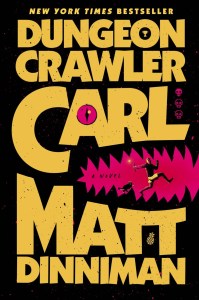
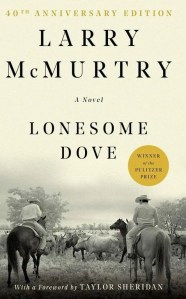
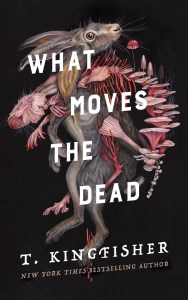
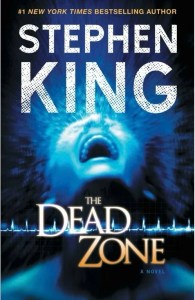
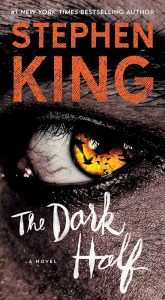


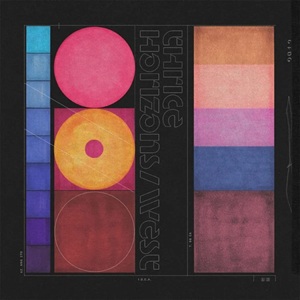


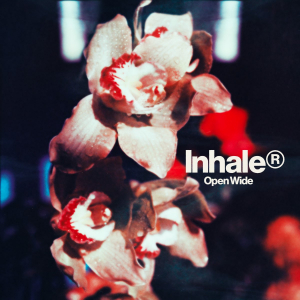
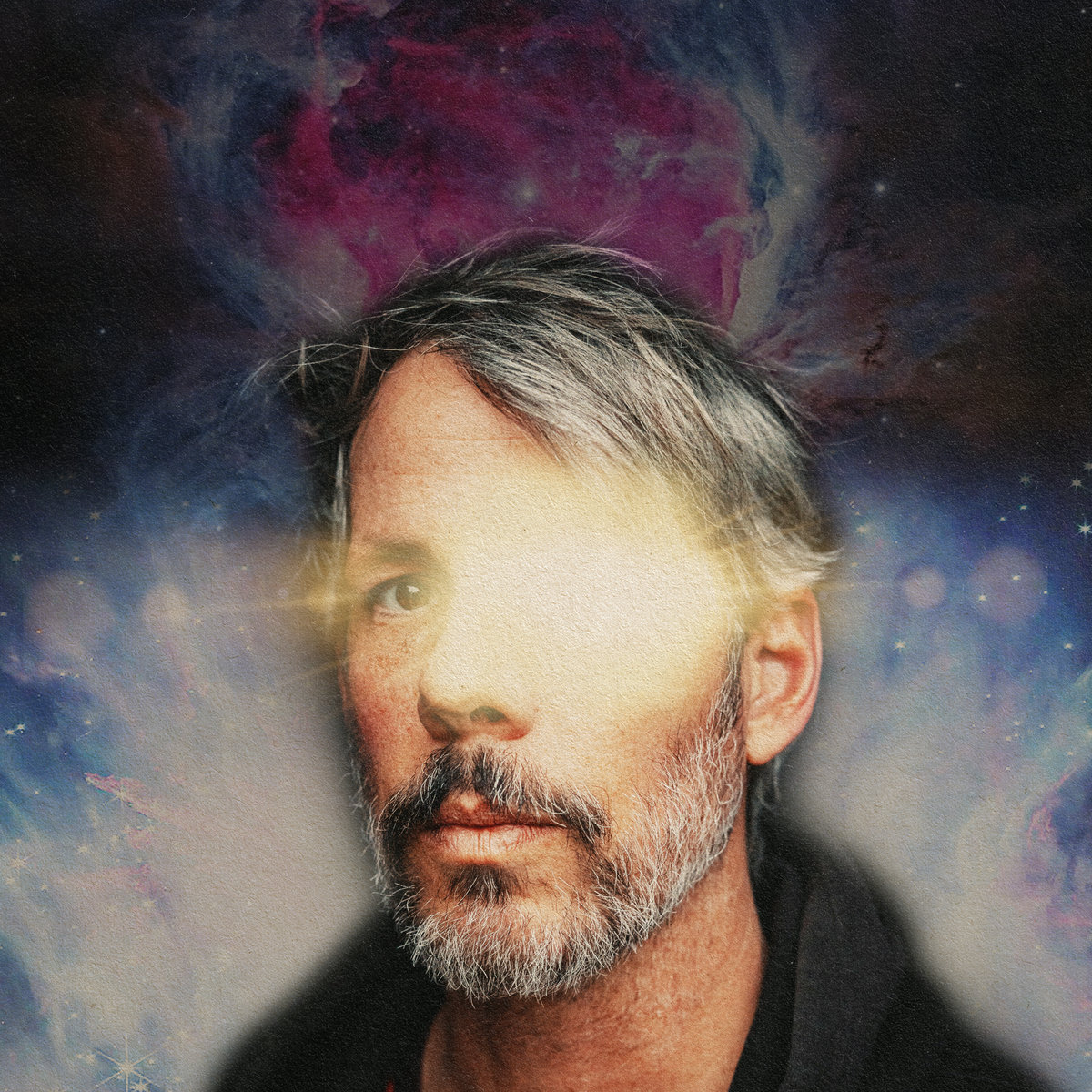

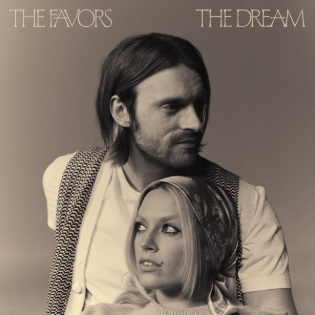
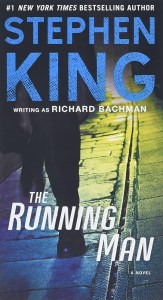

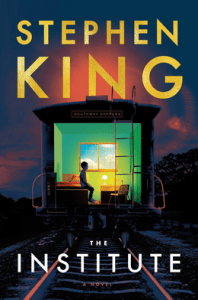
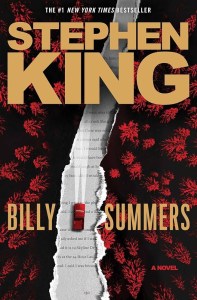
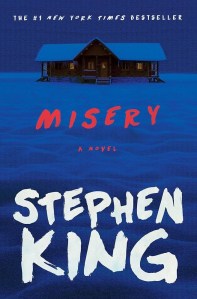
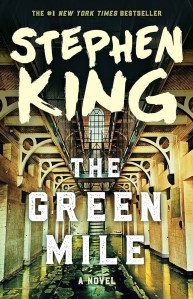
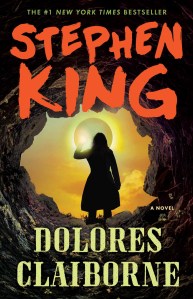
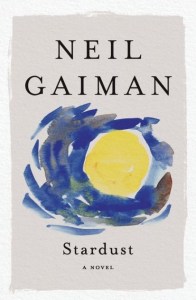
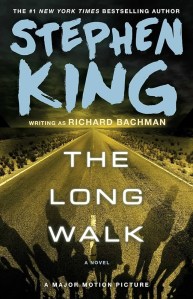
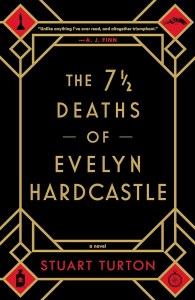
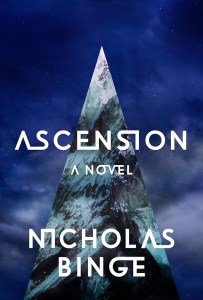



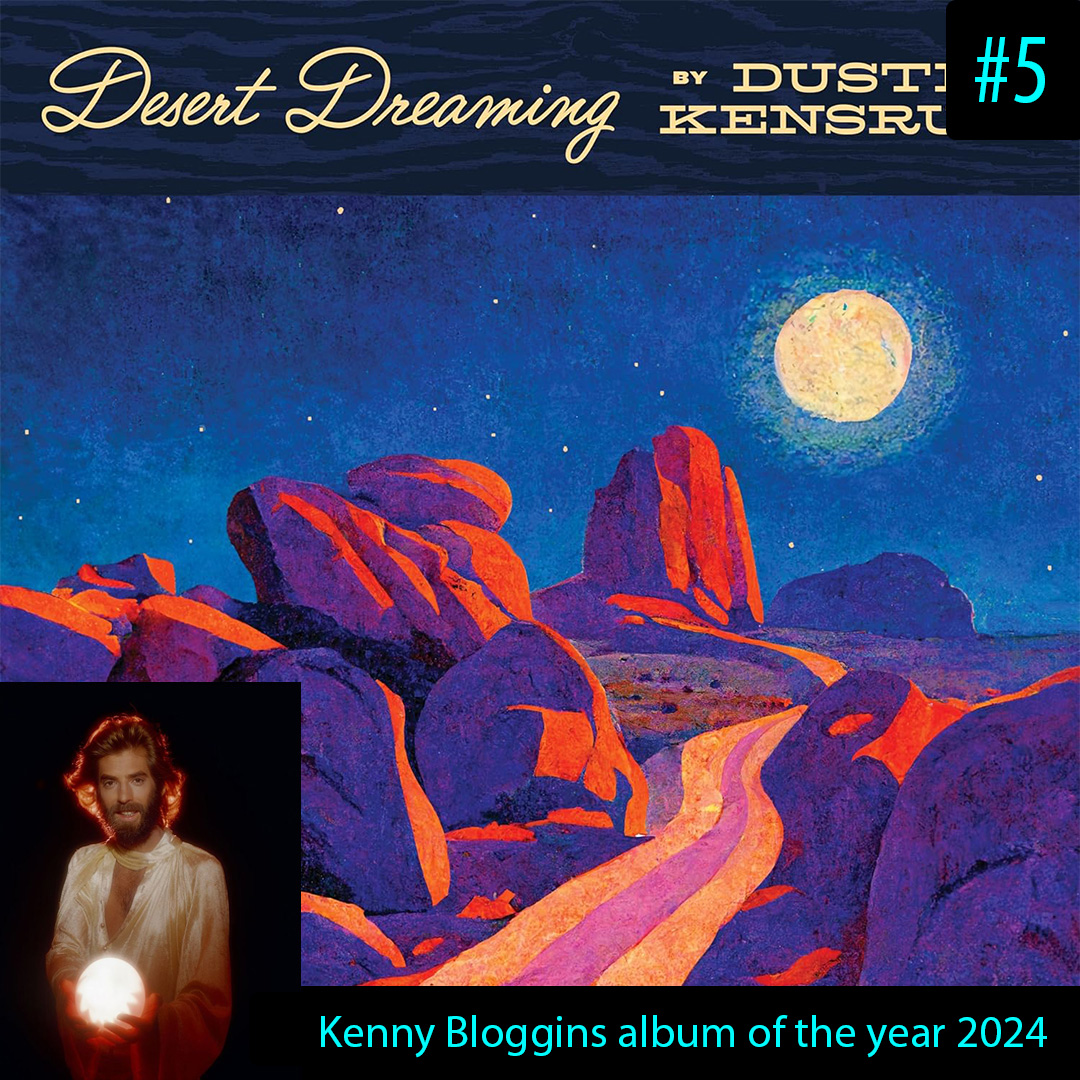


















 Standout tracks:
 Standout tracks:
 Standout tracks:
 Standout tracks:
 Standout tracks:
 Standout tracks:
 Standout tracks:
 Standout tracks:
 Standout tracks:
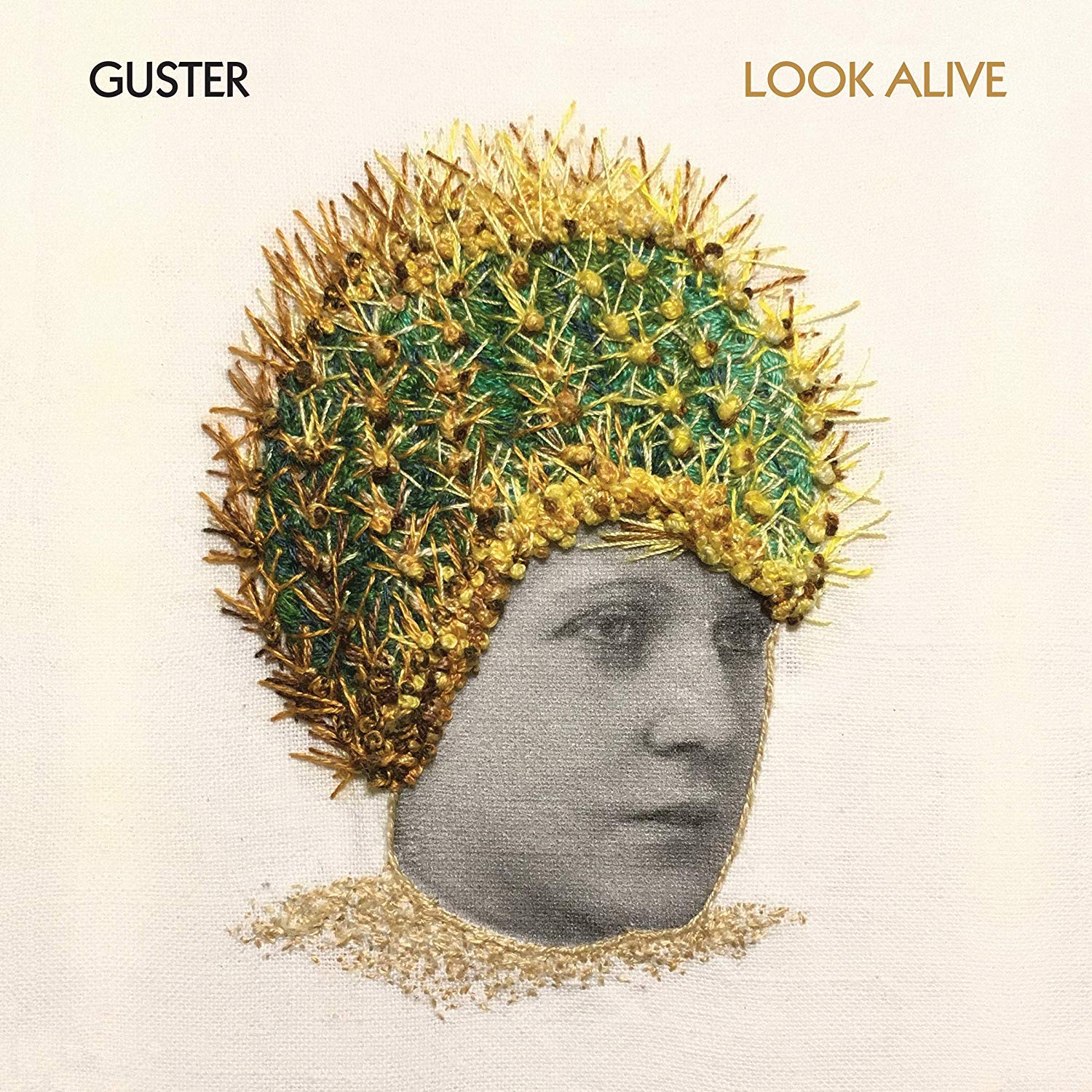 Standout tracks:
 Standout Tracks
 Standout Tracks
 Standout Tracks
 Standout Tracks
 Standout Tracks
 Standout Tracks
 Standout Tracks
 Standout Tracks

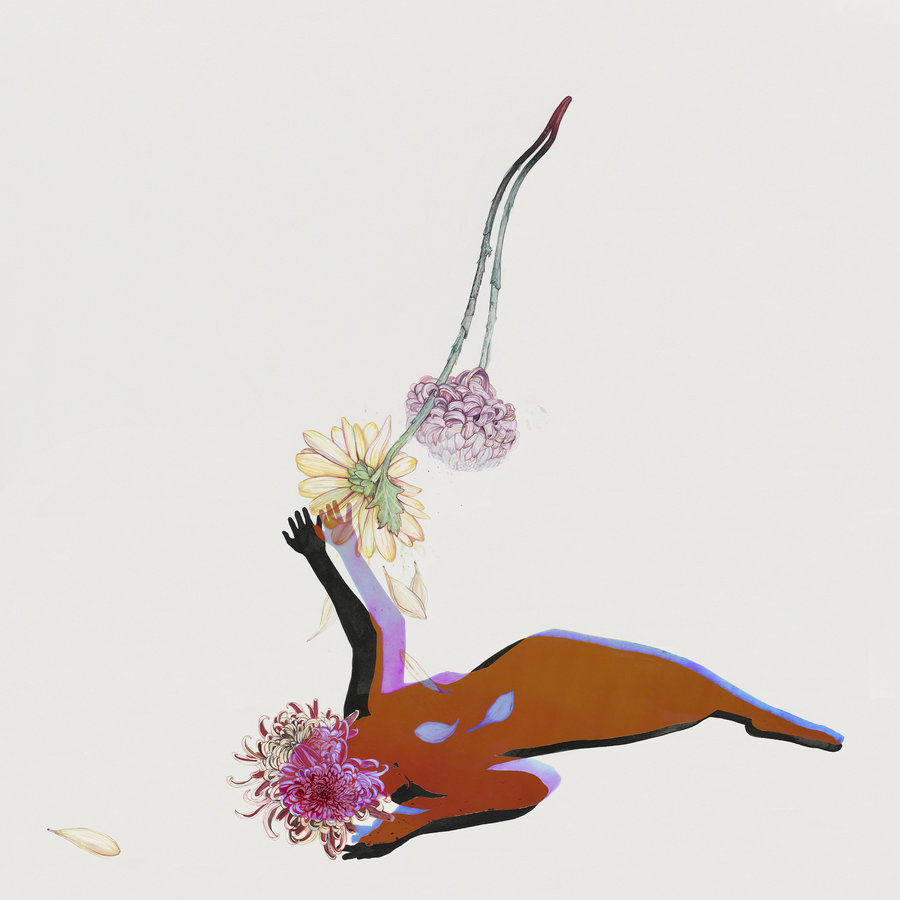 – Standout tracks:
 – Standout tracks:
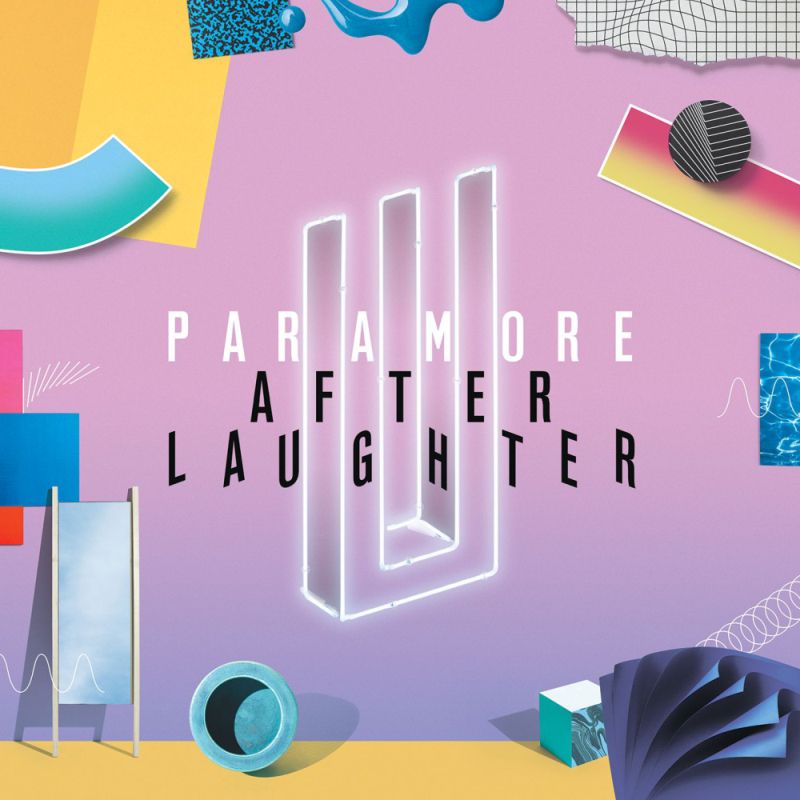 – Standout tracks:
 – Standout tracks:
 – Standout tracks:
 – Standout tracks:
 – Standout tracks:
 – Standout tracks:
 – Standout tracks:
 – Standout tracks:
 – Standout tracks: Happy Machines, The Monster, Blank Tapes, Come Back
 – Standout tracks: Swim Against the Tide, Face Like Thunder
 – Standout tracks: Oh Daniel, River Child, All My Clothes, Let it Go
 – Standout tracks: It Matters, Pretty Girls, Through, Pol Roger
 – Standout tracks: Hurricane, Blood on the Sand, Wake Up, Black Honey
 – Standout tracks: Cold to See Clear, Believe You’re Mine, Out of the Dark, Victory’s Yours
 – Standout tracks: 22 (OVER S∞∞N),715 – CRΣΣKS, 33 “GOD”
 – Standout tracks: Untitled, Real Emotion, Mona Lisa, Zhivago, Chariots
