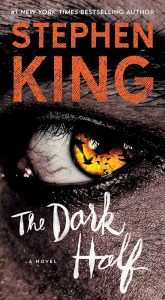
After just finishing The Dark Half, my feelings on the novel are oddly similar to the core of the story. Meaning, I’m in the middle on how I feel about it. I liked it, didn’t love it, but it’s one of those books I’ve kept thinking about after finishing, which usually means there’s something there.
The whole thing is really about duality, but in a very literal, uncomfortable way. Not just “you have a dark side,” but what happens if that side is actually the version of you that works. The one that succeeds. The one people respond to. And what if that version doesn’t want to stay contained.
That idea carries the book more than anything else.
What I liked most was how my perception of the main character Thad kept shifting. Early on he feels like a guy who kind of gamed the system. Created a pen name (George Stark), wrote under it, found success that way. It almost feels a little cheap at first. But as the story goes on, that explanation stops working. It starts to feel less like something he chose and more like something that happened to him. Like he’s not fully in control of where that other side came from or what it wants.
That’s where King is always good. He takes something that seems explainable and slowly makes it feel inevitable.
And by the end, you’re not really asking “how does this end,” you’re asking what he’s willing to do. Does he give in to it? Does he fight it? Is it even possible to separate the two? There’s a version of this story where it’s clearly good vs evil, but this never really lets you settle into that.
I also liked the police character (Sheriff Alan Pangborn) assigned to all the murders occurring. He starts as the only grounded person in the story, trying to apply logic to something that should make sense. And then over time, that just breaks down. Watching someone slowly accept that the rules they rely on don’t apply here is always a strong move in King books.
Where it lost me a bit is that the world didn’t feel as full as his best stuff. Outside of Thad and his other half, there isn’t a ton of depth to the other characters. His wife Liz gets some attention, but overall it feels more contained than what I usually expect from him.
At the same time, that probably helped it. It’s shorter, tighter, and it doesn’t drag. Honestly if this was a longer book, I might not have finished it. The story itself isn’t strong enough to carry an extra couple hundred pages.
There was also something I kept expecting to connect that never really did. The thread with his kids felt like it was pointing toward something bigger, especially given the whole duality theme, and it just sort of… doesn’t go there. Maybe that’s intentional, maybe it’s just left open, but it felt like there was another layer that could’ve been pulled in.
The ending is where it really picked up for me. It’s darker than I expected, even for King. Not just in what happens, but in the feeling it leaves you with (sparrows—mythology—psychopomps—an insane feather-swarming occurrence etched forever in my memory with them and Thad/George). It doesn’t wrap things up cleanly. It feels more like a warning than a resolution. Like even when something is “over,” it might not actually be finished.
I wouldn’t put this in his top tier, but it has one of his more interesting core ideas. It almost feels like a more personal book about identity and the cost of success, just told through a horror lens.
Rating: 7/10
What’s next: hoping I haven’t hit the ceiling on King books yet. Moving on to The Death Zone next and have high hopes!
Music is the soundtrack to my days, what helps me process the world, and makes life experiences even more memorable. As such, I put together a list of the best and most important records that made my year, in the hopes that you find something new to listen to.
Curated Playlist (standout tracks from each album):
Mental—absolutely mental. That’s really the only way to describe Violet, the second LP from L.S. Dunes, in a concise and impactful grouping of words.
Things start calmly enough on “Like Magick,” though you can feel the tension steadily building toward something far more frenetic. That release arrives immediately on the explosive “Fatal Deluxe,” as Anthony Green (of Circa Survive and Saosin) screams—no, shrieks:
“Burn, focus, with a thirst unnatural…”
From there the album only escalates. The center stretch becomes a force of its own, driven not just by the abrasive yet beautiful musical delivery from this supergroup—featuring members of Thursday, My Chemical Romance, and Coheed and Cambria—but also by the confrontational lyrical hooks in tracks four through six.
From “Violet”:
“Know that I forgive you but I never will forget Unmoved by the attention so I retract the sentiment The moment I forgave you, I regretted it.”
From “Machines”:
“Wild cry, eczema wreath, wild cry, eczema wreath Tonight it can be anything you want The right direction, right direction Try again, try again, try again, try again.”
From “You Deserve To Be Haunted”:
“My delusion, resist the impulse, the futile cause The final move, a haunted cross Will the sickness spread with the witness gone?”
An absolute 10 out of 10 makes perfect sense as none of Violet’s ten tracks are skippable. There’s no doubt this album is helping someone work through very dark times. And it feels fitting that the record closes with “Forgiveness,” a song that simply asks the listener to keep their loved ones safe, far away from the enemy (which is the writer)—something that, at times, may be the hardest but most necessary thing to do.
When an album is this fearless, this cathartic, and this impossible to ignore, the top spot becomes less of a choice and more of a certainty.
Standout Tracks: Like Magick | Fatal Deluxe | I Can See It Now… | Violet | Machines | You Deserve To Be Haunted | Holograms | Paper Tigers | Things I Thought Would Last Forever | Foregiveness
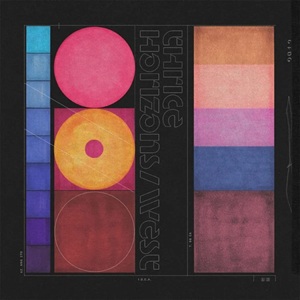
2. Thrice – Horizons/West
Horizons/West arrives at a perfect time where AI-created songs are filling up playlists; it is proof that something so natural sounding, so vibrant, so alive could never be created using any type of artificial flavoring or assistance. You would think being the 12th studio record from these Irvine, California natives that there wouldn’t be much left to say, especially given the tidy genre labels so ungenerously tacked to this band. But there’s no simple way to explain how the quietest and loudest moments, paired with themes of truth and spiritual clarity in the complex modern world, highlight Thrice’s ability to go once again beyond their preconceived boundaries.
The three-four-five track run of “Albatross” –> “Undertow” –> “Holding On” is a masterclass in album sequencing, each song building emotional and sonic momentum. Gnash snarls and slashes apropos to its name. On “Vesper Light,” Dustin Kensrue reaches falsettos that somehow make the chorus yowls hit even harder.
It would be easy to continue pulling out a standout moment from every track. Said differently, Horizons/West doesn’t rely on one, two, or even a group of tentpole songs; every piece finds its own to create an album, a truealbum at the core of the definition, that is immersive and entrancing from the first building note to the final descending rumble.
Few bands twelve albums deep can still sound this inspired, this purposeful, and this alive—and that’s exactly what makes Horizons/West such a remarkable runner-up.
Standout Tracks: Blackout | Gnash | Albatross | Undertow | Holding On | The Dark Glow | Distant Suns | Vesper Light
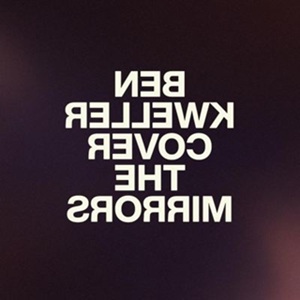
3. Ben Kweller – Cover the Mirrors
Being sad isn’t supposed to sound this happy, it just doesn’t seem possible. Maybe it’s Ben Kweller’s forever-youthful voice, or the overt nerd-pop glow that immediately calls to mind Blue Album-era Weezer. Maybe it’s simply our instinct, as humans, to search for light in the darkness, especially when we know the real-life event that inspired this record, quietly tipping the half-empty glass toward something sunnier. There’s a temptation to hear joy where there should only be grief.
But no, it’s more than that. Cover the Mirrors is an exceptional piece of work. Kweller has always been good, but this is a different level entirely: Jeff Tweedy-level directness in the vocal delivery, immaculate yet crunchy power-pop craftsmanship, and lyrics that don’t just describe feelings but paint scenes you can’t forget, like those spots/afterimages you see when you close your eyes tight after looking at something bright. It’s music that understands sadness doesn’t have to be dour to be truthful, and that sometimes the brightest melodies are the most honest way to survive what hurts.
Albums like this have a way of settling deeper with time, and it wouldn’t be surprising if Cover theMirrors quietly grows into the record I remember most from this year.
Standout Tracks: Dollar Store | Going Insane | Trapped | Oh Dorian | Killer Bee | Depression | Don’t Care | Brakes
4. Deftones – private music
I’m what you’d call a late bloomer when it comes to Deftones. While I enjoyed some of the bigger songs on White Pony—“Digital Bath” still has one of the coolest drum sounds ever—and often heard their name mentioned alongside other favorites like Incubus, I initially wrote them off as poster boys for nu-metal. In doing so, I missed the insane growl-to-grace range of Chino Moreno’s voice, the thunderous guitar riffs that hit like clenched fists dripping with hot tar, and the unexpected dream-pop sensibilities that soften and contrast the band’s detuned, hazy moments.
Thankfully, I came to my senses over the past decade, working my way through their back catalog just in time for private music to become one of the first occasions where I could truly experience a new Deftones release in real time. There’s a rawness that runs through all of private music—even the lack of capitalization in the album and song titles feels intentional, like a quiet statement from the band: this is fully human art, no shortcuts, no gloss, and certainly no room for doubt.
Standout Tracks: infinite source | ecdysis | departing the body | cXz | milk of the Madonna | my mind is a mountain | locked club | I think about you all the time
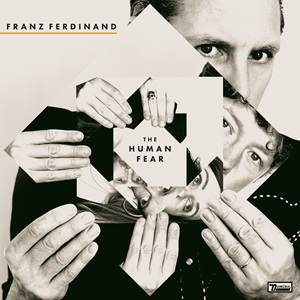
5. Franz Ferdinand – The Human Fear
“Alright, here we go with riff one” appropriately opens the fabulous sixth studio album from Franz Ferdinand, the post-punk philosophers who hide behind danceable rhythms. Tight, angular riffs aid in the delivery of the band’s trademark swagger. They’ve famously said they make rock music to dance to—and let me tell you, we are dancing.
“Audacious”is the most Beatle-esque we’ve ever heard the Scots sound, though “Black Eyelashes” isn’t far behind, with harpsichord-laden hooks and pounding drums reminiscent of “Being for the Benefit of Mr. Kite.” Other highlights include pulsating rocker “The Doctor,” “Night or Day” (a song that could have easily been included among their early career hits), and the powerfully aching “Tell Me I Should Stay.”
I think the fear referred to in the title The Human Fear is intimacy, about wanting connection and being exposed by it, or the ache of needing someone while pretending you don’t.
Franz Ferdinand have a reputation for being cheeky (even a little silly), and don’t get me wrong, that label fits. But in time, I think they’ll be properly recognized for what they truly are: meticulously crafted songwriters, buoyed by Kapranos’s theatrical yet tender vocals, a rhythm-first approach, and a rare virtuosity of taste, control, and intent.
Standout Tracks: Everydaydreamer| Night or Day | Audacious | Black Eyelashes | The Doctor | Tell Me I Should Stay | Bar Lonely | The Birds
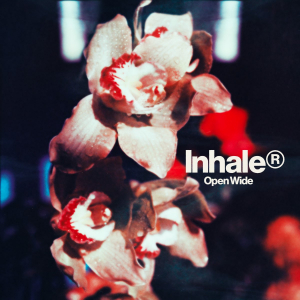
6. Inhaler – Open Wide
Inhaler have truly come into their own these past few years, filling a very specific hole in my music collection left by the disbanding of so many jangly indie-rock acts and anthemic guitar music saviors of the early aughts. I’ve been binging on their records this year, revisiting their excellent debut album, which I’ve adored for years, and working my way through the rest of their catalog.
Open Wide didn’t grab me at first; maybe it felt a little too ’80s-influenced or safe. But it eventually clicked once I heard it in context with the rest of Inhaler’s work, especially when it became clear they were aiming for a more dynamic, synth-driven pop sound. “X-Ray” is an exuberant rocker, built around a breathy, gentle, and unforgettable chorus that perfectly lands on the line “feels like heaven.” The subtle yet propulsive bass line on “Again” is a thing of beauty, as is the inward-looking and immediately immersive “Charms.”
Standout Tracks: Feels Like Heaven | Charms | X-Ray | Again | Your House | Billy (Yeah Yeah Yeah) | Even Though
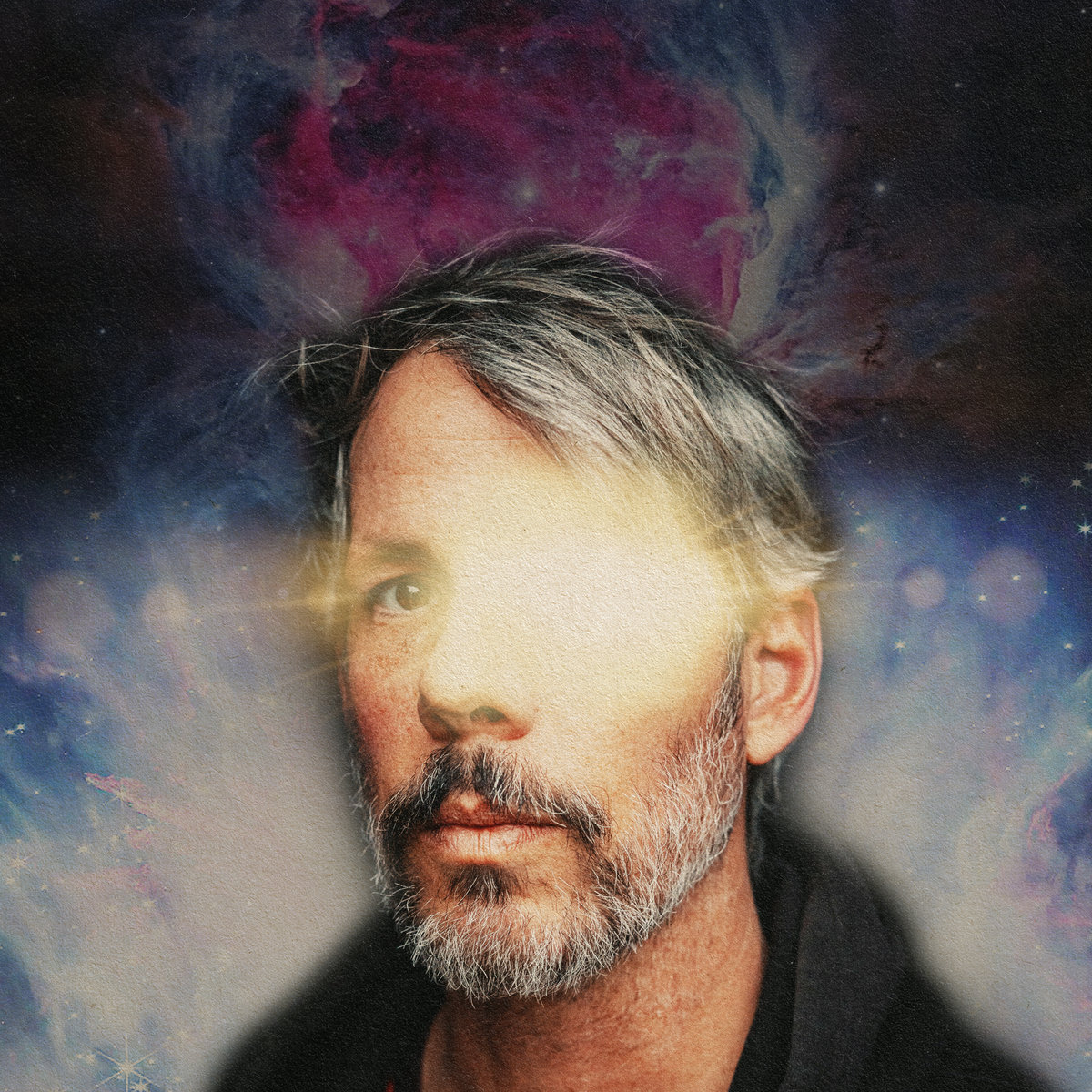
7. Matt Embree – Orion
An album like Orion is hard to put into words, but here goes nothing: groove-driven songs that stroll rather than run, pairing spiritual, political, and personal reflections with the act of learning to sit peacefully with the cards you’re dealt. Every piece of music seems intentional—well considered, carefully crafted, and never rushed.
“Side Eye” stands out for the space its production leaves, allowing the roaming bassline and sticky melody to burn through. Many of the songs feel built for late nights and long days, like “Bad Actors,” with its rolling Mellotron and sneaky catchiness. The true apex, though, is “Miscellium,” which resembles capturing an idea before you know what it’s going to become—keeping momentum so nothing slows down, much like the act of sketching. Even so, the pre-chorus and chorus land with absolute precision.
The only real drawback is the album’s short length, but if rumors hold true and a new Rx Bandits record is on the horizon, that concern may soon be eased. Although, if haunting final track “Praying in the Dark” was the last thing we heard from this artist, it would be a standing-ovation worthy swan song.
Standout Tracks: New Noun | Hold Up | Miscellium | Side Eye | Bad Actor | Praying In The Dark | Summer House Savior
8. Hayley Williams – Ego Death at a Bachelorette Party
I was really late to the Paramore party. But I think that puts me at an advantage (more on that in a minute).
Their first album came out in 2005 (All We Know Is Falling), and I didn’t start truly listening to the band until the self-titled record arrived eight years later in 2013. Eight years might not sound like much, but that’s two high schools, or a full high school plus a college. I think the reason Paramore didn’t hit that hard for me at the time was that by 2005 I was already moving past “scene” or emo music and deeper into college indie rock. This makes sense, as it was right in the prime of my formative undergrad years, when being a music taste-maker felt almost as important as graduating. The only music in that genre I kept listening to came from bands I’d already built an unhealthy obsession with, like Death Cab for Cutie (Plans), The Juliana Theory (Deadbeat Sweetheartbeat), and Copeland (In Motion), all of whom released great records that year.
But once I finally got into Paramore, in the same year Pope Francis was elected, during the Edward Snowden NSA revelations, and when Breaking Bad aired its legendary finale, it was on. My obsession started with the irresistible catchiness of songs like “Still Into You” and “Now,” plus the catastrophic energy of “Part II,” then slowly crept backward in time to the incredible “Decode,” and further still into earlier highlights like “Brick by Boring Brick” and the tremendous “That’s What You Get.”
Fast forward, and I got to experience Paramore glory in real time with 2017’s After Laughter, Hayley Williams’ incredible sleepy solo debut in 2020 with Petals for Armor (which in hindsight feels like a premonition for Ego), and the Grammy-winning This Is Why.
Ego Death at a Bachelorette Party somehow feels just as strong as a full Paramore release, but again, only because I was late to the party. The songs are dynamic, catchy as hell, and destined to be loved for years—something that becomes even clearer when diving into the catalog later (see, there’s my advantage) rather than during Paramore’s Hot Topic–crazed years. “Mirtazapine” is a dangerous ear worm, “Kill Me” would absolutely destroy at a ’90s roller-blading rink, and “True Believer” is next-level in terms of Hayley’s songwriting. At this point, it’s hard to imagine a world without Hayley Williams’ music and each new release somehow makes me look forward to the next even more.
Standout Tracks: Ice In My OJ | Glum | Kill Me | Mirtazapine | Brotherly Hate | Negative Self Talk | Ego Death At A Bachelorette Party | True Believer | I Won’t Quit On You
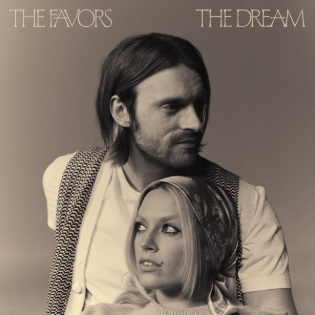
9. The Favors – The Dream
I’ve been aware of Finneas O’Connell for some time, standing alongside his sister Billie Eilish as producer, co-writer, musical director, and more. But I didn’t fully appreciate his standalone abilities until I came across his outstanding cover of “Time of the Season” by The Zombies. His quietly powerful voice has a way of making you feel like you’re in the room with him, and it layers beautifully with other singers.
The Favors, his side project with vocalist Ashe, delivers a beautifully crafted pop record that echoes ’70s folk, baroque pop, and even the sweep of theatrical scores. The heartbreaking post-breakup song “The Little Mess You Made” is a perfect example of how well Finneas and Ashe work together to reach soaring emotional heights. “Times Square Jesus” is a gentler, slow-building tune that grows more dramatic as it unfolds. But the true magic appears on “The Hudson,” which makes you feel like you’re right there walking along the river late at night with this remarkable duo.
In a world of disposable pop, The Dream feels like something carefully built to last.
Standout Tracks: The Dream | Moonshine | The Little Mess You Made | The Hudson | Necessary Evils | Times Square Jesus
10. Perfume Genius – Glory
Perfume Genius has some serious legs to stand on with 2025’s Glory, a record packed with what I can only describe as a collection of “bests.” Blake Mills’s production (Feist, Fiona Apple, Alabama Shakes, etc.) and Jim Keltner’s drumming (John Lennon, Bob Dylan, Harry Nilson, anyone who’s anyone) elevate the inherent beauty of Perfume Genius’s songwriting, emphasizing just how strong these songs are without ever overwhelming them. That balance comes through most vividly on “In a Row,” which thumps along like a dying heart before erupting into sudden bursts of baroque power (proof that it isn’t quite ready to call it quits).
While “It’s a Mirror” was the first new song from any artist this year that truly obsessed me, it’s another track, “No Front Teeth,” that will ultimately stand as my song of the year. I loved it immediately, but it crossed into classic territory at exactly the right moment: about twelve minutes into a cold, dark January run, I turned a corner at the bottom of a hill as sunbeams crept through the pines, illuminating a cluster of steaming bushes. That image, paired with the song’s ethereal, soaring, and cascading vulnerability, landed with stunning force. Glory is a masterwork—one that feels certain to deepen and reveal itself even more with time.
Standout Tracks: No Front Teeth | It’s A Mirror | In A Row | Me & Angel | Clean Heart
About the author:
Kenny Bringelson lives in Woodinville, WA with his wife Kristi and two girls (Charlotte and Olivia). He is a music enthusiast who loves listening to records and playing guitar whenever he can. His background includes years studying education, and a master’s degree in journalism/mass communication. Additionally, Kenny recently completed studies at Washington State University in Viticulture and hopes to start his own wine grape vineyard in the future. As a professional, he has worked in educational technology, financial services, and more.
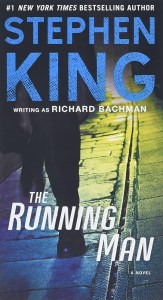
The Running Man is fast, enjoyable, and completely action packed, a dystopian near-future story built around an antihero named Ben Richards. Stephen King—writing under the Richard Bachman name—imagines a society dominated by something called the “Free Vee,” a nonstop television system that broadcasts various game shows, each varying in degree of difficulty and danger. The concept feels simple on the surface but becomes increasingly unsettling the more the story unfolds.
There appear to be two different types of societies in this future. Of course there are the well-off, and then there are the poor people living in places like Co-Op City. That’s where Richards lives with his wife and his very sick daughter. Desperation pushes him toward one of the most dangerous shows on the Network: The Running Man. The premise is brutal. Richards must survive for several weeks while being hunted by professional trackers across the country. For every hour he stays alive, money is sent back to his family. The only catch is that he has to deposit two videotapes every day describing where he’s been and what’s happening to him.
King uses this setup to create a story that moves incredibly fast while still painting an interesting picture of this dystopian world. There are descriptions of cars that can fly or hover above the ground, constant contamination in the air that people struggle to avoid, and a society that seems completely numb to violence as long as it’s entertaining. Richards makes a few friends along the way, though things mostly go from bad to worse as the Network slowly closes in. At one point he even blows up a YMCA where police are trying to capture him, a moment that perfectly captures the chaotic desperation of the entire situation.
Richards himself is an interesting character because he’s clearly an antihero. You’re not always sure if you actually like him. He’s sarcastic, rough around the edges, and obviously shaped by years of hardship in this unforgiving society. But that roughness makes sense given what he’s been through, and it becomes easier to understand why he makes the decisions he does as the story escalates.
The novel barrels toward an explosive ending where Richards commandeers a jet and essentially turns himself into a human missile, crashing directly into the Network’s building in a final act of defiance. It’s dramatic, destructive, and strangely fitting for a story about a world where entertainment and cruelty have become the same thing.
All in all, The Running Man is a very exciting book with lots of action and constantly moving pieces. The dystopian setting, the nonstop chase, and the morally complicated main character make it a gripping read that’s hard to put down once it gets going.
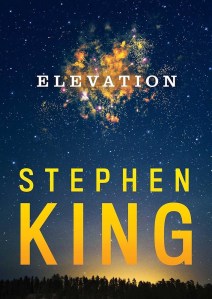
Elevation is a really beautiful and curious story, a novella that finds the perfect balance of getting somewhat deep on the important characters while also moving quickly through the narrative. Stephen King keeps the focus intentionally small, centering the story on only a handful of people and allowing their relationships to carry the emotional weight of the book.
The premise itself is simple but incredibly intriguing. Scott, a big fella, starts to feel like he’s losing weight. His mood improves, he has more pep in his step, and he generally feels better. The strange part is that nothing about him physically changes. Yet when he jumps on the scale, he definitely is losing weight. Week after week he drops about three pounds, even though his body never seems to change shape. It’s one of those classic Stephen King ideas—slightly surreal but presented in a very grounded way that makes you immediately curious about where it’s going.
What makes the novella work so well is how King uses that strange premise to explore the people around Scott rather than turning it into a full-blown mystery. Scott spends time talking with an elder doctor friend about what’s happening to him, and he also develops an unexpected relationship with two gay women who live nearby and run a restaurant. The town treats them poorly, which gives the story an interesting social undercurrent, but the real focus is on how Scott gradually earns their trust and friendship.
The story moves quickly but never feels rushed. King gives just enough time to the key moments—especially a local 10K race that becomes one of the emotional highlights of the book—while keeping the overall narrative tight and focused. Because the book is so short, there’s almost no wasted space. Every scene either deepens Scott’s relationships or pushes the strange premise forward.
What stood out most to me is how uplifting the story ultimately feels. Despite the unusual situation Scott finds himself in, the tone never becomes dark or heavy. Instead it slowly turns into something about letting the weight off your shoulders and realizing what’s actually important in life—friendship, kindness, and human connection.
Elevation may be a small story in terms of length, but it leaves a surprisingly strong impression. It’s thoughtful, a little strange in the best Stephen King way, and a perfect example of how effective a novella can be when it focuses on character and theme rather than scale.
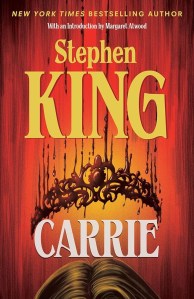
Carrie is just a well-written—and honestly horrifying—story. It’s one of Stephen King’s most well-known books, so there’s probably no huge need to summarize the entire plot, except for my own memory. What stands out immediately is how simple the premise is and how effectively King turns that simplicity into something unsettling and tragic.
The novel centers on Carrie White, a quiet and painfully awkward high school girl who is brought up by an extremely religious mother determined to force Carrie to follow in her footsteps. That upbringing leaves Carrie completely unprepared for normal parts of life, including a now-famous scene early in the book where she experiences her first period in the girls’ locker room shower. The other girls mock her mercilessly because she has no idea what is happening. It’s a scene that is both uncomfortable and heartbreaking, and it really sets the tone for the rest of the story.
The cruelty from her classmates leads to consequences for some of the girls, including detention that threatens their ability to attend prom. One of them, Chris, refuses the punishment and becomes determined to get revenge on Carrie. Meanwhile another student, Sue Snell, actually feels guilty about what happened and encourages her boyfriend Tommy to take Carrie to prom as a genuine act of kindness. That decision creates one of the most emotionally interesting parts of the book because, for a brief moment, it seems like Carrie might finally be accepted.
Of course, this is a Stephen King story, and things don’t stay hopeful for long. What begins as a simple act of teenage cruelty eventually escalates into something far darker, especially once Carrie’s telekinetic abilities start to emerge. The famous prom sequence is chaotic and terrifying, and it transforms the novel from a story about bullying into something much larger and more destructive.
One of the most interesting aspects of Carrie is the way King structures the book. Instead of telling the story in a completely straightforward way, he jumps between multiple perspectives and formats—Sue Snell’s later reflections, excerpts from police interviews with survivors, and even newspaper articles examining what happened. That approach gives the novel a strange documentary-like feeling, as if the reader is piecing together the aftermath of an event that shocked an entire town.
Reading it now, it’s also fascinating to see such early writing from King. The voice isn’t quite as polished as some of his later work, but the ideas are already incredibly strong. You can clearly see the themes that would come to define much of his career: social cruelty, small-town pressure, and the terrifying consequences of power appearing in the wrong place at the wrong time.
Even decades later, Carrie still feels tense, tragic, and strangely sympathetic toward its central character. It’s easy to see why it became such an iconic story.
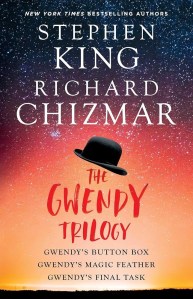
Gwendy’s Button Box and Gwendy’s Magic Feather make for a fascinating but uneven pair of novellas, built around an interesting concept that starts strong but loses some momentum along the way. The first book—co-written by Stephen King and Richard Chizmar—is a fun, very fast read at just 166 pages, something that can easily be finished in a single day. It’s highly engaging and reads somewhat like a King story, though with noticeably less character, setting, and plot development than many of his longer works.
The story centers on a very young girl named Gwendy whose life changes when a mysterious man named Richard Ferris suddenly appears and gives her a strange wooden box. The box has several buttons: seven colored ones for each continent, a red button that can grant “whatever you want,” a black button she eventually calls the “cancer button,” and a small lever that spits out delicious chocolates. Ferris gives almost no real guidance about how the box should be used and then disappears, leaving Gwendy alone with something that clearly carries enormous power.
What makes the premise so compelling is the uncertainty surrounding Ferris himself. He’s not quite as openly sinister as some of King’s classic villains—especially someone like Randall Flagg—but there’s something undeniably creepy about him. You never really know if he has good intentions or if he’s simply testing people by placing dangerous power in their hands. Watching how Gwendy grows up with the box quietly influencing her life is the most interesting part of the story.
The first novella moves quickly but still manages to deliver a few dark and memorable moments. At times it almost feels like a moral fable about temptation and responsibility, exploring what happens when someone ordinary is handed something capable of enormous consequences. The pacing and simplicity actually work in its favor, even if the story occasionally feels a little thin.
The sequel, Gwendy’s Magic Feather, shifts the story forward many years and follows Gwendy as an adult returning to Castle Rock around Christmas and New Year’s. This time she’s a congresswoman, and the mysterious box once again finds its way back into her life. Unfortunately the difference in authorship becomes noticeable here. This second installment is written solely by Richard Chizmar, and the writing often feels more half-baked and predictable compared with the first book.
The ideas are still interesting—there are magical events, personal struggles, and even a mystery involving murdered girls—but the execution doesn’t feel nearly as sharp. The pacing is slower in places, and the narrative lacks some of the tension and atmosphere that made the original novella so engaging. While it’s still a quick and readable story, it doesn’t quite capture the same sense of intrigue surrounding the box or the character of Richard Ferris.
Taken together, the two books are still enjoyable as a concept. The mysterious box, the moral ambiguity behind its powers, and the lingering presence of Ferris make the series intriguing enough to keep exploring. With Stephen King returning as a co-writer for the third book, there’s reason to hope the story regains some of the energy that made the first installment so compelling (but I haven’t quite gotten there yet).
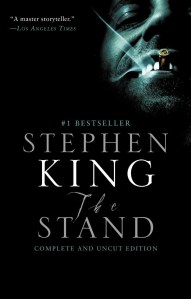
The Stand is massive in every possible way. At over 1,000 pages, it’s easily one of Stephen King’s biggest and most ambitious novels, both in scope and in the sheer number of characters and storylines it tries to juggle. Finishing it feels a bit like completing a long journey, one that moves from eerie realism to something much larger and more mythic as the story unfolds.
One thing that immediately stood out to me was how glad I am that I didn’t read this before the pandemic. The early sections of the book are almost uncomfortably realistic. King’s fictional virus, known as “Captain Trips,” begins with a lab accident and quickly spreads across the country, wiping out the vast majority of the population. The way people panic, turn on each other, and slowly realize how bad things are becoming feels almost too real at times.
The descriptions of the aftermath are incredibly vivid. There are scenes of tunnels packed with car wrecks and decaying bodies, homes filled with the same, and detailed accounts of what the disease actually does to people as it progresses. King describes the physical symptoms—like the black welts in the throat—with a level of detail that makes the whole situation feel disturbingly believable.
The novel also features probably the most characters of any King book I’ve read so far, and that’s honestly where my only real criticism comes in. It takes literally hundreds of pages to fully get started because the book spends so much time introducing different people and their backstories. At times it becomes hard to keep track of everyone or tell them apart, especially early on.
That said, once the story settles into its main group of characters, it becomes much easier to connect with the ones who really matter. Nick Andros is one of the standouts—a deaf but incredibly smart and compassionate leader who becomes one of the central figures holding the group together. Tom Cullen is another memorable character, a simple and childlike man who ends up playing a surprisingly important role later in the story. And then there’s Stu Redman, who feels like the heart of the novel in many ways. Stu is just an easy character to root for, a steady and decent person trying to navigate a completely broken world.
As the story moves forward, the novel shifts into its larger central theme: the divide between good and evil. Survivors eventually gather into two main groups—Mother Abigail leading the community in Boulder, and Randall Flagg building his own society in Las Vegas. The conflict between those two sides becomes the core of the book, though King keeps things interesting by occasionally showing that the moral lines aren’t always as simple as they appear.
Some of the most memorable moments come late in the novel, when the tension between the two sides finally reaches its breaking point. The events surrounding the confrontation with Flagg’s followers are intense, strange, and very much in line with King’s tendency to mix horror with something almost supernatural.
In the end, The Stand feels like one of King’s most ambitious books—an enormous story about survival, morality, and what people do when the structure of society disappears. It can be a little slow getting started, and the huge cast of characters sometimes makes things harder to follow, but the scale and imagination behind the story make it hard not to admire.
It’s definitely up there with his best work, even if it’s not quite my personal favorite.
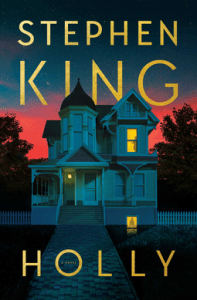
Holly is a fabulous, very traditional-feeling mystery that shows Stephen King leaning more into detective fiction than outright horror. The story follows private investigator Holly Gibney, who unexpectedly strikes it rich after inheriting money from her deceased mother—someone she openly despised—but chooses to keep working anyway. That decision sets the stage for a case that slowly unfolds into something far darker than it initially appears.
The mystery begins with several missing people and Holly trying to figure out what connects them. As the investigation develops, it becomes clear that the victims are linked in ways that no one initially expects. The trail eventually leads to a pair of professors, Em and Roddy Harris, whose disturbing secret centers around a belief that consuming certain “nutrients”—particularly human organs—can keep them living longer and healthier lives. The idea is grotesque, but King presents it in a way that feels almost clinical, which somehow makes it even creepier.
One of the strongest parts of the novel is Holly herself. She’s a really interesting character you just want to root for. Holly is thoughtful, careful, and often unsure of herself, but she has a persistence that makes her a compelling detective. The relationships around her help give the book its emotional center, especially the dynamic between Holly, Jerome, and Jerome’s sister Barbara, who helps out at the agency.
Barbara’s own storyline ends up becoming surprisingly important. She develops a connection with an older poet professor named Olivia, a character who is warm, funny, and genuinely kind. Through that relationship, Barbara begins uncovering pieces of information that eventually help Holly connect the dots in her investigation. Those smaller character interactions add a lot of depth to the story and keep it from feeling like just a straightforward procedural.
King also does a great job making the villains especially detestable. Em and Roddy Harris are arrogant, snobby, and convinced they are smarter and better than everyone else. Their self-importance and cruelty make it easy to root for their downfall (tied to their unique, ahem, “diet”) as the story builds toward its final confrontation.
In the end, what really carries Holly are the relationships—Holly working through the case, Jerome and Barbara supporting her, and even Holly’s partner Pete helping from a distance while dealing with COVID. Those connections give the book warmth even as the mystery itself becomes darker and more dangerous.
By the final pages, Holly has survived another brutal case and is already looking toward the next one. After finishing the book, it’s easy to feel the same way.
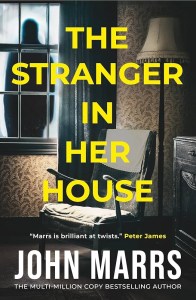
The Stranger in Her House is a fun, twisty thriller that keeps the reader guessing almost the entire way through. Kristi recommended I give this one a try, and I’m glad I did—it’s the kind of book that pulls you along quickly with lots of reveals, shifting perspectives, and characters who may not be exactly who they claim to be.
The story centers on a woman named Connie who spends much of her time looking after her mother Gwen, who suffers from dementia. Their quiet routine gets disrupted when a charming man named Paul suddenly enters their lives and quickly becomes part of the household. From there the story starts layering on suspicion, secrets, and hidden motives, with the relationships between the characters becoming more complicated the further things go.
What makes the book entertaining is how often the narrative flips expectations. Just when it feels like you’ve figured out who the real villain is, the story pivots and reveals something new about another character. Marrs clearly enjoys playing with those shifting loyalties, and the novel becomes less about one single mystery and more about a group of people who are all hiding something.
There are quite a few twists as the story moves forward, and the book does a good job maintaining that tension for most of the ride. At times it almost feels like the characters are constantly trying to outmaneuver each other, which makes it fun to watch the different schemes unfold. That unpredictability is easily the biggest strength of the novel.
The only real drawback for me was the pacing near the end. After a lot of careful buildup, the final portion of the story moves extremely fast. The last hundred pages or so almost feel like they fly by, resolving several plot threads very quickly after all the twists that came before.
Still, as a fast-moving thriller full of surprises, The Stranger in Her House delivers plenty of entertainment. It’s the kind of book that keeps you turning pages just to see what the next reveal will be.
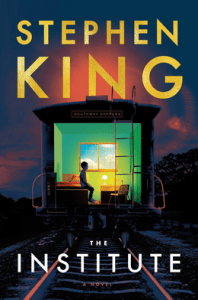
The Institute is another near-perfect Stephen King read and one that feels a little different from many of his other books. At its core, it’s a story about telekinetic and telepathic kids who are kidnapped from their homes and forced to live inside a mysterious facility known as the Institute. The children are told one thing about why they’re there, but it becomes increasingly clear that something far darker is happening behind the scenes.
The premise itself is immediately compelling. These kids are taken from their families and placed into a controlled environment where they are studied, tested, and experimented on. The Institute is divided into two main sections—Front Half and Back Half—and the progression between the two creates a constant sense of tension as the story unfolds. Even early on, there’s a lingering feeling that things are going to get worse the deeper the story goes.
What really makes the novel work, though, is the way King structures the narrative. The book follows three main storylines that slowly move toward each other. One follows Luke, the incredibly smart young boy trying to figure out how to escape the Institute. Another focuses on Tim, a former cop who is now working as a night watchman in a small town. The third storyline centers on the people actually running the Institute, including Mrs. Sigsby and her staff as they attempt to maintain control and track down problems inside the facility.
Watching those three threads gradually come together is where the book really shines. Each storyline is interesting on its own, but when they start intersecting the tension ramps up in a very satisfying way. King has always been great at juggling multiple perspectives, and here it feels especially effective.
The kids themselves are also a major strength of the novel. Luke forms friendships with several of the other children inside the Institute, and those relationships give the story real emotional weight. Characters like Maureen, the maid who begins to feel guilty about what’s happening, add an extra layer to the narrative by showing that not everyone inside the system fully believes in what they’re doing.
One of the most interesting elements of the book is the larger question behind the Institute’s existence. Without giving too much away, the story eventually raises the idea that the people running the operation believe they are doing something necessary for the greater good. That moral tension—whether terrible actions can ever be justified if the outcome supposedly saves lives—adds a philosophical layer that sticks with you long after finishing the book.
What makes The Institute stand out is how well all these pieces come together: the mystery of the facility, the friendships among the kids, the outside investigation slowly building, and the bigger questions about power and control. It feels like classic Stephen King storytelling but with a slightly different angle than many of his other novels.
For me, it ended up being one of the most engaging King books I’ve read.





 KennyBloggins is Kenny Bringelson