By Stephen King
Finished 1/4/26
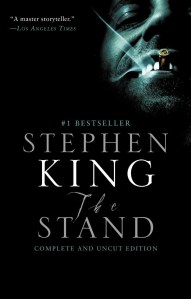
The Stand is massive in every possible way. At over 1,000 pages, it’s easily one of Stephen King’s biggest and most ambitious novels, both in scope and in the sheer number of characters and storylines it tries to juggle. Finishing it feels a bit like completing a long journey, one that moves from eerie realism to something much larger and more mythic as the story unfolds.
One thing that immediately stood out to me was how glad I am that I didn’t read this before the pandemic. The early sections of the book are almost uncomfortably realistic. King’s fictional virus, known as “Captain Trips,” begins with a lab accident and quickly spreads across the country, wiping out the vast majority of the population. The way people panic, turn on each other, and slowly realize how bad things are becoming feels almost too real at times.
The descriptions of the aftermath are incredibly vivid. There are scenes of tunnels packed with car wrecks and decaying bodies, homes filled with the same, and detailed accounts of what the disease actually does to people as it progresses. King describes the physical symptoms—like the black welts in the throat—with a level of detail that makes the whole situation feel disturbingly believable.
The novel also features probably the most characters of any King book I’ve read so far, and that’s honestly where my only real criticism comes in. It takes literally hundreds of pages to fully get started because the book spends so much time introducing different people and their backstories. At times it becomes hard to keep track of everyone or tell them apart, especially early on.
That said, once the story settles into its main group of characters, it becomes much easier to connect with the ones who really matter. Nick Andros is one of the standouts—a deaf but incredibly smart and compassionate leader who becomes one of the central figures holding the group together. Tom Cullen is another memorable character, a simple and childlike man who ends up playing a surprisingly important role later in the story. And then there’s Stu Redman, who feels like the heart of the novel in many ways. Stu is just an easy character to root for, a steady and decent person trying to navigate a completely broken world.
As the story moves forward, the novel shifts into its larger central theme: the divide between good and evil. Survivors eventually gather into two main groups—Mother Abigail leading the community in Boulder, and Randall Flagg building his own society in Las Vegas. The conflict between those two sides becomes the core of the book, though King keeps things interesting by occasionally showing that the moral lines aren’t always as simple as they appear.
Some of the most memorable moments come late in the novel, when the tension between the two sides finally reaches its breaking point. The events surrounding the confrontation with Flagg’s followers are intense, strange, and very much in line with King’s tendency to mix horror with something almost supernatural.
In the end, The Stand feels like one of King’s most ambitious books—an enormous story about survival, morality, and what people do when the structure of society disappears. It can be a little slow getting started, and the huge cast of characters sometimes makes things harder to follow, but the scale and imagination behind the story make it hard not to admire.
It’s definitely up there with his best work, even if it’s not quite my personal favorite.
Rating: 8.5/10
 KennyBloggins is Kenny Bringelson