By Stephen King
Finished 7/25/25
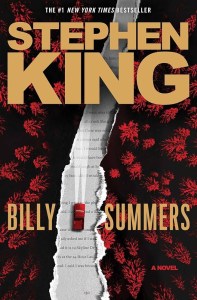
Billy Summers is an excellent book and one I thoroughly enjoyed all the way through. At first I wasn’t completely sure what to expect because the premise seems almost surface-level: a sniper hitman taking on one last job before retirement. Billy has a careful plan that will allow him to disappear afterward, even while knowing the people who hired him clearly have their own setup in place that would likely end with him dead after the assassination.
The job itself is straightforward enough. Billy is hired to kill a convict as he comes down the courthouse steps. But the story becomes far more interesting because of the way Billy prepares for the job and the life he creates around it. To stay hidden he moves through multiple personas, blending into different environments while waiting for the right moment. King spends a lot of time showing Billy quietly observing the world around him, and those slower sections are where the book really finds its rhythm.
What surprised me most is how much sweetness there is in Billy as a character. Despite being a professional killer, he constantly shows kindness to the people around him. He befriends a family in the neighborhood and plays Monopoly with the kids, even winning one girl a flamingo stuffed animal at a carnival by playing a shooting game—almost a little too well. In another place he carefully looks after a family’s houseplants while sharing their flat. These small moments make Billy feel far more human than the typical “hitman” character.
Then there’s Alice, one of the most important relationships in the book. Billy helps nurse her back to health after she’s been brutally attacked, and their connection becomes one of the emotional cores of the story. The dynamic between them adds a sense of warmth and purpose to Billy’s life that goes far beyond the original job he was hired to do.
King also spends time exploring Billy’s past, which helps explain why he lives the way he does. There’s deep trauma there—his sister being killed in front of him when he was young, Billy shooting the man responsible in self-defense, and the brutal experiences he went through during his time in Iraq. Those pieces of history make it clear that Billy understands exactly what kind of man he is. He often admits that he’s a bad man, even if he tries to follow one personal rule: he only kills bad men.
By the end, the story becomes less about the assassination itself and more about Billy trying to leave something meaningful behind. One of the most beautiful parts of the novel is the way Alice finishes the story Billy has been writing about his own life. She changes the ending slightly, imagining a version of Billy still out in the world, peaceful and alive. The truth is different, but the act of writing the story helps her discover her own voice.
King closes the emotional arc of the novel with a thought that perfectly captures that idea:
“Did you know that you could sit in front of a screen or a pad of paper and change the world? It doesn’t last, the world always comes back, but before it does, it’s awesome. It’s everything.” This quote speaks to the profound transformative power of storytelling and the ability of writers to create alternate realities and temporarily escape the confines of the real world.
Billy Summers ends up being much deeper and more moving than its premise suggests. It’s a story about violence and redemption, but also about kindness, creativity, and the strange ways people help each other heal.
Rating: 9.75/10 — nearly perfect and maybe top 5 King books.
 KennyBloggins is Kenny Bringelson