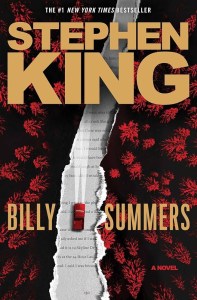
Billy Summers is an excellent book and one I thoroughly enjoyed all the way through. At first I wasn’t completely sure what to expect because the premise seems almost surface-level: a sniper hitman taking on one last job before retirement. Billy has a careful plan that will allow him to disappear afterward, even while knowing the people who hired him clearly have their own setup in place that would likely end with him dead after the assassination.
The job itself is straightforward enough. Billy is hired to kill a convict as he comes down the courthouse steps. But the story becomes far more interesting because of the way Billy prepares for the job and the life he creates around it. To stay hidden he moves through multiple personas, blending into different environments while waiting for the right moment. King spends a lot of time showing Billy quietly observing the world around him, and those slower sections are where the book really finds its rhythm.
What surprised me most is how much sweetness there is in Billy as a character. Despite being a professional killer, he constantly shows kindness to the people around him. He befriends a family in the neighborhood and plays Monopoly with the kids, even winning one girl a flamingo stuffed animal at a carnival by playing a shooting game—almost a little too well. In another place he carefully looks after a family’s houseplants while sharing their flat. These small moments make Billy feel far more human than the typical “hitman” character.
Then there’s Alice, one of the most important relationships in the book. Billy helps nurse her back to health after she’s been brutally attacked, and their connection becomes one of the emotional cores of the story. The dynamic between them adds a sense of warmth and purpose to Billy’s life that goes far beyond the original job he was hired to do.
King also spends time exploring Billy’s past, which helps explain why he lives the way he does. There’s deep trauma there—his sister being killed in front of him when he was young, Billy shooting the man responsible in self-defense, and the brutal experiences he went through during his time in Iraq. Those pieces of history make it clear that Billy understands exactly what kind of man he is. He often admits that he’s a bad man, even if he tries to follow one personal rule: he only kills bad men.
By the end, the story becomes less about the assassination itself and more about Billy trying to leave something meaningful behind. One of the most beautiful parts of the novel is the way Alice finishes the story Billy has been writing about his own life. She changes the ending slightly, imagining a version of Billy still out in the world, peaceful and alive. The truth is different, but the act of writing the story helps her discover her own voice.
King closes the emotional arc of the novel with a thought that perfectly captures that idea:
“Did you know that you could sit in front of a screen or a pad of paper and change the world? It doesn’t last, the world always comes back, but before it does, it’s awesome. It’s everything.” This quote speaks to the profound transformative power of storytelling and the ability of writers to create alternate realities and temporarily escape the confines of the real world.
Billy Summers ends up being much deeper and more moving than its premise suggests. It’s a story about violence and redemption, but also about kindness, creativity, and the strange ways people help each other heal.
Rating: 9.75/10 — nearly perfect and maybe top 5 King books.
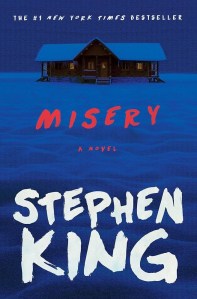
Misery is one of Stephen King’s most famous horror novels, and while I can definitely see why it’s so highly regarded, it ended up being just okay for me. The premise is simple but very effective: a novelist named Paul Sheldon ends up trapped in the home of Annie Wilkes, his self-proclaimed “number one fan.” From there the story becomes a tense, claustrophobic battle of wills between a writer who just wants to survive and a fan who is far more dangerous than she appears.
Annie is easily the most memorable part of the book. She’s obsessive, unpredictable, and convinced she’s doing the right thing, which makes her both terrifying and fascinating at the same time. King does a great job writing her dialogue and inner logic—she’s the kind of villain who feels disturbingly real because she truly believes she’s justified in everything she does.
Paul is also an interesting character because so much of the story takes place inside his head. A lot of the tension comes from watching him think through his situation, plan small acts of resistance, and try to maintain some sense of control in an environment where he has almost none. Those moments—especially when Annie isn’t around and Paul has to carefully test his limits—are easily the most gripping parts of the book.
Where the novel lost a few points for me was in how gruesome it becomes. Annie’s treatment of Paul gets extremely graphic at times, and the story leans heavily into that physical brutality. For readers who love intense horror, that’s probably part of the appeal. For me, it occasionally crossed into territory that felt more uncomfortable than suspenseful.
Another element that didn’t quite land was the inclusion of large sections of the fictional Misery novel Paul is forced to write. I understand the purpose of those chapters within the story, but they were harder to get through and occasionally slowed the pacing.
That said, the writing itself is still very strong. King builds tension extremely well and creates a setting that feels incredibly claustrophobic, almost like a pressure cooker slowly tightening around the characters. Even when the story dragged slightly for me, it was easy to appreciate how carefully constructed it is.
Overall, Misery is clearly a very well-written psychological horror novel. It just happens to lean more heavily into the kind of gruesome intensity that doesn’t quite land as strongly for me personally. Fans of darker, more visceral King stories will probably love it.
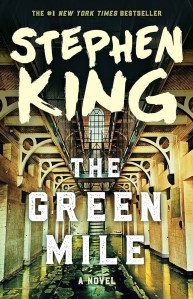
Wow. Just…wow. This one absolutely lands in my top three Stephen King books. It’s one of those stories that sticks with you long after you close the last page.
At the center of it all is John Coffey, who might be the most beautiful and heartbreaking character King has ever written. He’s a massive man on death row, accused of murdering two young girls, and because of his size—and the racism of the time—it’s easy for everyone to assume the worst. He’s sent to Cold Mountain Penitentiary’s death row block, known by the guards as The Green Mile, where inmates take their final walk to Old Sparky, the electric chair.
But John Coffey is not what anyone expects.
What slowly unfolds is the realization that John has an extraordinary gift—he can heal people, pulling sickness and pain out of them in a way that feels almost supernatural. Some of the moments where this power shows up are among the most moving scenes King has ever written. They’re strange, unsettling, and deeply emotional all at once.
The story is told through Paul Edgecombe, the guard in charge of the Mile, and he’s a great narrator for this kind of story: thoughtful, conflicted, and very human. The other guards are memorable too, each bringing their own personality and moral compass to the job. Even many of the inmates end up being more layered than you expect, which makes the whole world of the book feel lived-in and complicated.
What really makes The Green Mile work, though, is how it blends the supernatural with something deeply human. On the surface it’s a prison story. Underneath, it’s about mercy, justice, cruelty, and the weight of carrying other people’s pain. King leans hard into the idea that appearances can be wildly misleading, and that some of the most gentle souls end up in the darkest places.
It’s also one of King’s most emotional books. Not scary, exactly but more haunting in a moral sense. The kind of story that quietly builds until it hits you in the gut.
There are a lot of memorable turns along the way, and King threads them together in a way that keeps the tension high without ever losing sight of the characters. By the end, the story feels less like a thriller and more like a tragedy you knew was coming but still hoped might somehow turn out differently.
Beautiful, strange, and deeply sad in the best possible way.
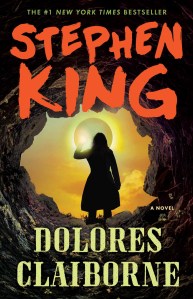
This one grabbed me immediately and never really let go. What’s wild is that the whole book is basically one continuous monologue—no chapters, just Dolores telling her story straight through—and somehow it only makes it more gripping. It feels like you’re sitting across the table from her while she unloads decades of her life.
Dolores is recounting everything to investigators who think she may have had something to do with the death of the wealthy woman she worked for, Vera Donovan. From there the story slowly opens up into something much bigger: her life, her marriage, and the long shadow cast by her abusive husband.
That husband is one of the most despicable characters King has ever written. The cruelty in that household—especially what he does to their daughter—is almost unbearable at times, and it’s the driving force behind everything Dolores eventually does. Her decision to get rid of him doesn’t come from anger so much as it comes from protection. She’s trying to stop something that’s already gone too far.
The way it all unfolds is classic King tension. Dolores gets him drunk, lures him out toward a well, and lets gravity and circumstance do the rest. But King doesn’t make it simple or clean. The scene at the well—what Dolores sees looking down into it, what happens as her husband struggles—is one of the most vivid stretches of writing in the whole book.
Running alongside that story is Dolores’s long, complicated relationship with Vera Donovan, the wealthy woman she works for. Their dynamic ends up being one of the best parts of the novel. Vera is sharp, intimidating, and clearly understands more about Dolores’s situation than she ever says outright. The conversations between them feel like two incredibly tough people recognizing something in each other.
And the whole thing taking place during a solar eclipse is such a perfect Stephen King touch. The town is distracted, everyone’s outside watching the sky, and Dolores knows exactly what that means.
What really makes the book work, though, is the voice. King completely disappears into Dolores. She’s blunt, funny, observant, and far smarter than people assume. By the time you’re halfway through, it doesn’t feel like a novel anymore—it feels like a confession.
It’s chilling, tense, and surprisingly emotional in places. And the fact that King builds an entire cast of characters and decades of history through a single voice is pretty remarkable.
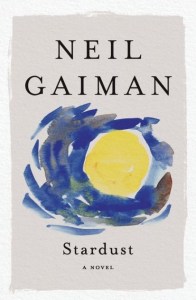
This one had all the ingredients of a charming fairy-tale adventure, but for whatever reason it felt like a bit of a slog for me. The world is whimsical and imaginative in the way Gaiman does best, but it almost felt too enchanting—like everything was wrapped in velvet and moonlight without much bite underneath.
The story centers on Tristran Thorn, a young guy from a small town who promises a girl he’ll retrieve a fallen star for her. If he succeeds, she says he can have whatever he desires. So off he goes beyond the wall into the magical land of Faerie to find it.
Of course he’s not the only one searching for the star. There’s an ancient witch who wants it to restore her youth, and there are rival brothers from the royal family of Stormhold who need the star as part of their claim to the throne. The Stormhold storyline was probably the most fun part for me. The brothers slowly getting picked off one by one—and then returning as ghostly observers commenting on events—is a clever and funny touch.
The witches plotline, on the other hand, felt a little more predictable. It’s the kind of fantasy trope you’ve seen before, and it never quite rises above that.
Eventually Tristran does succeed in finding the fallen star, though things don’t unfold the way he expected. The journey ends up reshaping what he actually wants out of life. There’s also a late reveal about Tristran’s own lineage that ties everything together in a pretty classic fairy-tale way.
For me, the biggest strength of the book is its tone. It reads like a story someone might tell you by a fireplace—playful, strange, and full of little magical detours. But that same dreamy quality is also what made it drag a bit. I kept waiting for something sharper or darker to cut through all the whimsy.
Still, there are moments of cleverness and charm throughout, and you can see why it’s such a beloved Gaiman book.
Probably my least favorite of his so far—or maybe my tastes have shifted a bit since the last time I was deep in his stuff. Hard to say.
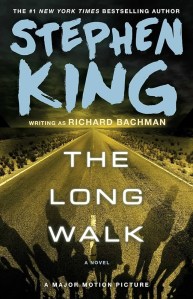
Really enjoyed this one. It’s one of King’s simplest premises, but it ends up being one of his most unsettling.
The setup is brutally straightforward: 100 teenage boys enter a contest where they must keep walking until only one of them is left. They have to maintain at least four miles per hour, stay on the road, and if they slow down they receive warnings. Three warnings are allowed—on the fourth, they’re shot. Warnings reset after an hour if you manage to keep your pace. The walkers get small food rations and all the water they want, but otherwise it’s just step after step until your body (or your mind) gives out.
The story mostly follows Ray Garraty, who becomes the emotional center of the group. Along the way he forms bonds with several of the other walkers, especially McVries, who ends up being one of the most compelling characters in the book. Their friendship—and the way the boys alternately support each other, clash with each other, and slowly break down—is really the heart of the story.
A third major figure is Stebbins, the quiet, intense walker who always seems to have a little more left in the tank than everyone else. His role in the story becomes more interesting as things narrow down toward the end.
What I liked most about the book is how much time King spends inside the heads of these kids. As the miles stack up, their moods swing wildly. Sometimes they’re joking, telling stories, almost acting like they’re on a strange road trip together. Other times the tension turns into resentment, anger, or despair. It starts to feel less like a competition and more like a group of soldiers marching toward something none of them can avoid.
And that’s probably why the book works so well—it’s clearly about more than just the walk itself.
You can read it as a metaphor for a lot of things. Life, obviously. Everyone’s walking the same road, and eventually everyone drops out. There’s technically a “winner,” but the idea of a prize at the end starts to feel meaningless after everything the characters go through.
There’s also a darker angle about spectatorship. Crowds line the roads cheering the walkers on, watching kids collapse and die like it’s entertainment. It taps into that uncomfortable truth about how fascinated people are with spectacle and suffering.
Some people also see it as a metaphor for war—especially Vietnam, which was happening around the time King originally wrote it. A long, grinding ordeal where survival itself might not feel like much of a victory.
The ending is intentionally a little ambiguous. Garraty technically wins, but the final moment has a strange, almost surreal feeling to it. It’s hard to tell exactly what King wants you to think is happening there, and I kind of like that he leaves it open.
Bleak, tense, and surprisingly emotional for such a stripped-down concept.
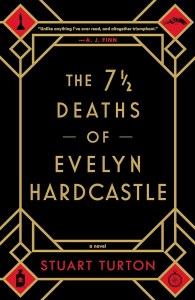
This one is a wild ride. Tons of characters, constant twists, and a really clever central concept—even if the ending left me a little underwhelmed.
The story begins with a man waking up in the woods with no memory of who he is. The only thing he knows is a name: Anna. Soon he realizes he’s inhabiting the body of a man named Sebastian Bell, and things only get stranger from there.
Eventually a mysterious figure in a plague doctor mask appears and explains the situation: he’s trapped in a kind of time loop and must solve the murder of Evelyn Hardcastle. To do that, he’ll live the same day repeatedly through eight different “hosts,” meaning eight different people at the estate where the murder takes place. Each host has different strengths, weaknesses, personalities, and social positions. Some are clever and observant. Others are cowardly, cruel, or just plain unpleasant.
What makes the book so engaging is how those perspectives reshape the story. Information gathered by one host can carry over to the next, but each body comes with its own limitations. Sometimes he’s sharp and capable, other times he’s stuck inside someone physically weak or morally questionable. Watching him piece the mystery together across these different identities is where the book really shines.
The main character eventually learns his own name—Aiden Bishop—and part of the reason he’s in this strange situation starts to come into focus. That revelation is intriguing and adds another moral layer to the story, especially involving his connection to Anna.
The mystery itself keeps twisting and folding back on itself. Everyone at the estate seems to have secrets, grudges, or hidden motives. It’s the kind of book where every time you think you’ve got a handle on things, another piece of the puzzle shifts.
But for me, the ending didn’t quite land as strongly as the setup. The explanation behind Evelyn, the murder, and the people involved is definitely twisty, but it also feels a little messy compared to how tight the concept is earlier on. And the bigger questions about the strange “prison” the characters are trapped in—who built it, how it works, what it really means to be released—are only lightly touched on.
It’s not a bad ending, just one that leaves you wishing the final reveal had the same precision as the premise.
Still, the idea behind the book is fantastic, and the execution for most of the ride is incredibly fun. It’s one of those mysteries where the structure itself becomes part of the intrigue.
Rating: 8/10.
I’d definitely recommend it for the concept alone—just go in knowing the landing might not feel quite as satisfying as the journey.
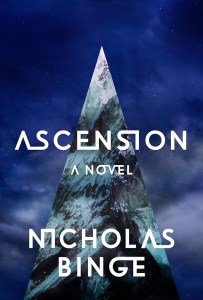
This one started incredibly strong for me—probably for about two-thirds of the book—before the ending lost a bit of its magic.
The story is framed around a man who was believed dead but has somehow turned up in a mental hospital. With him is a briefcase full of letters describing the expedition he went on, and the book unfolds through those accounts. The letters detail an unbelievable journey to a massive mountain range that suddenly appears in the middle of the ocean—bigger than anything humanity has ever seen.
From there, the story becomes about the climb itself. But it’s not just a physical ascent. It slowly turns into something much stranger and more psychological. The higher they go, the more reality seems to bend. Time doesn’t behave the way it should, people begin to lose their grip on what’s real, and the environment itself feels like it’s operating on rules humans don’t fully understand.
One of the coolest parts of the book is how it explains higher dimensions. There’s a great analogy about an ant moving across a table—it can only understand forward and backward across the surface. If something existed above that plane, the ant wouldn’t be able to perceive it. The idea is that humans might be in a similar position when it comes to a fourth dimension. The book plays with that concept in a really fun way, imagining folds or pathways that move through time and space in ways we can’t normally experience.
For most of the book, that mystery is what keeps it so compelling. Strange things start happening during the climb—visions, overlapping moments in time, encounters that don’t quite make sense—and you’re constantly trying to piece together what’s actually going on. It has that great creeping sense of unease where the environment itself feels almost alive.
Where the book stumbled for me was the final stretch. After so much buildup and such a fascinating mystery, the explanation didn’t feel quite as satisfying as the journey getting there. It’s not terrible—it just felt like the story shifted away from the eerie, mind-bending tone that made the earlier parts so gripping.
Still, the atmosphere and ideas carry the book a long way. The concept alone is strong enough that I kept thinking about it afterward, especially the way it plays with perception, time, and how limited our understanding of reality might actually be.
7.5/10 — mostly because the ending was fairly weak, but the concept and majority of the book were enjoyable.
Music is the soundtrack to my days, what helps me process the world, and makes life experiences even more memorable. As such, I put together a list of the best and most important records that made my year, in the hopes that you find something new to listen to.
Curated Playlists:
Find these albums on a streaming service or use these playlists to listen to just the best songs (standout tracks):
I sat there floored after listening to the entire album end-to-end, taking a few seconds to think about what I just heard before leaping up to hit start on the first song again. Phantogram have been a favorite of mine for years, and with this year’s under-the-radar Memory of a Day they have released a full collection of songs that left me in deep thought—its vampiric grip sinking deeper with every listen. Co-founder and lead vocalist Sarah Barthel is equal parts ethereal and haunting, writing songs that deal with some of the heaviest life experiences (some of which I can relate to myself), often veiled by the band’s distinctive pop-infused sound which blends elements of trip-hop, electronic and indie rock. ‘All A Mystery’ sounds like a 1950s doo-wop song reimagined for 2050, ‘Attaway’ and ‘Happy Again’ beg you for a shoulder to cry on, and ‘Come Alive’ lives up to its title’s namesake. Here’s one for the long late-night drives, spontaneous bedroom dancing, and the future listeners who become just as captivated as me.
Standout Tracks: Happy Again | Jealousy | It Wasn’t Meant To Be | All A Mystery | Attaway | Ashes | Come Alive | Memory of a Day
2) Nada Surf – Moon Mirror
Claiming the second spot for 2024 is Moon Mirror by Nada Surf, an album brimming with heart and purpose. Each moment is filled with signature elements that define the band—90s alt-rock roots, jangling guitars, and melodies that resonate deeply. These songs masterfully balance introspection and optimism, with music crafted to be emotionally stirring and thought-provoking. With poetic lines like, “I am drifting, I’m a cloud… I am bending, I am bowed… I’m just atoms in the air… Dissipating and I don’t care,” Nada Surf challenges listeners to explore existential themes through beautifully wrought, immersive storytelling. Moon Mirror is just the type of thing we need in order to bring balance and resilience to our lives in the face of modern-day challenges.
Standout Tracks: Losing | Moon Mirror | Second Skin | The One You Want | New Propeller | X Is You | Floater
3) The Smile – Cutouts
The Smile make their return to my list with Cutouts, climbing higher this time to surpass 2022’s A Light for Attracting Attention, which landed at #4 (and they almost nabbed a third spot with Wall of Eyes, another outstanding 2024 release). Tracks like ‘Foreign Spies’ could easily soundtrack a scene from Stranger Things, while ‘Zero Sum’ and ‘Eyes & Mouth’ showcase some of Jonny Greenwood’s most mesmerizing, wandering guitar lines from anything Radiohead-related. This album brings a loose, sprawling energy, blending funky grooves with strong rhythmic depth. Thom Yorke is unmistakable, but this time his voice feels drier, more grounded, and somehow less alien than ever before.
Standout Tracks: Zero Sum | Colours Fly | Eyes & Mouth | Don’t Get Me Started | The Slip | No Words
4) Guster – Ooh La La
The bridge in ‘When We Were Stars’ is one of those super rare moments where a song gives you goosebumps, but Guster’s latest album, Ooh La La is filled with countless other instances that truly showcase the magic of recorded music. The hooks on tracks like ‘The Elevator’ sink in deep and refuse to leave, but that’s far form a complaint, given how irresistibly captivating these songs are—drenched in reverb, warmth, and profound contemplation. While I typically gravitate towards their poppier tracks, it’s the softer songs like ‘Black Balloon’ and ‘Maybe We’re Alright’ that I think will go down with the best of their already illustrious catalog.
Standout Tracks: When We Were Stars | All Day | Black Balloon | Keep Going | The Elevator
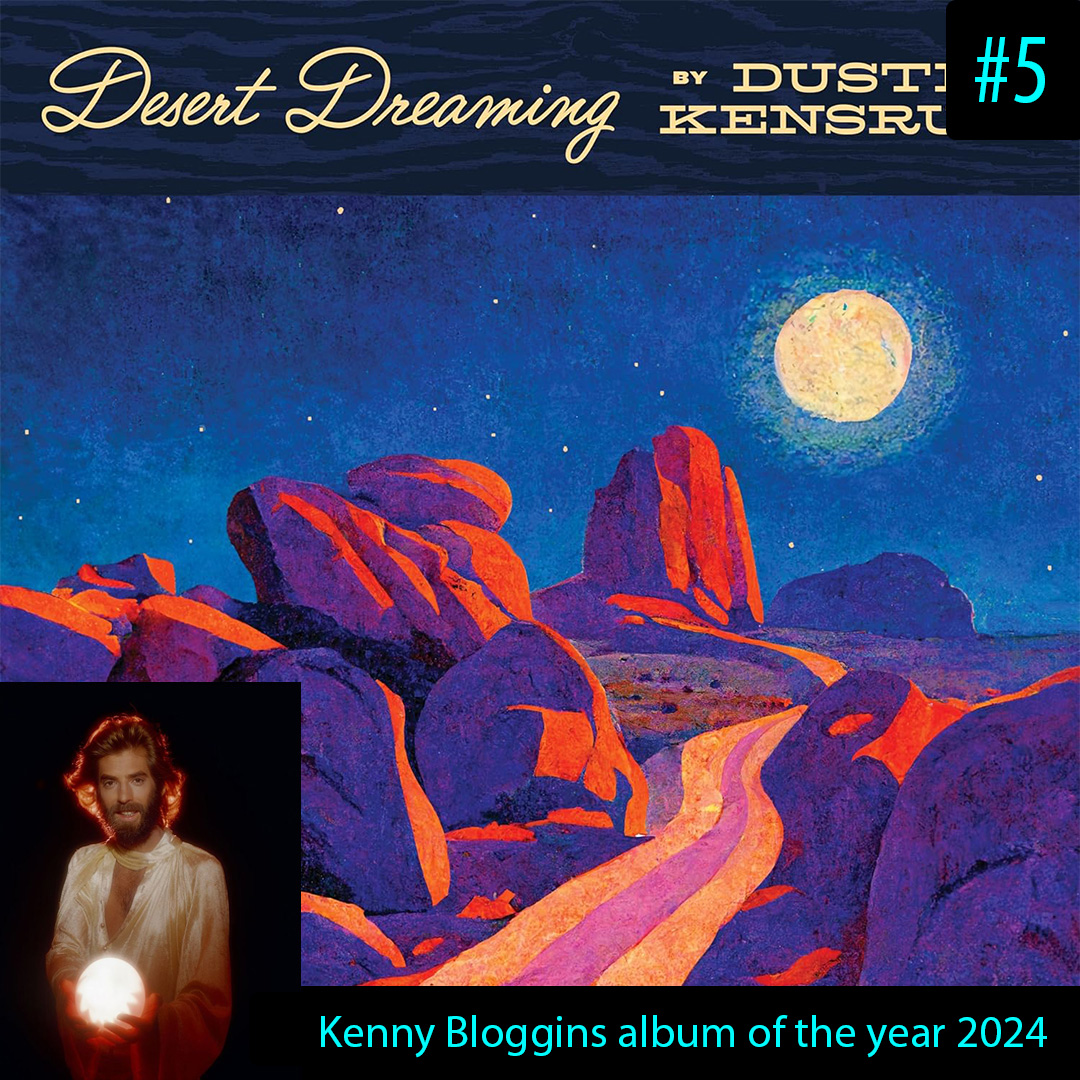
5) Dustin Kensrue – Desert Dreaming
Imagine driving through the desert, the scent inside your rental car hinting of past journeys, a paperback copy of “All the Pretty Horses” sitting in the back seat, and the road ahead looming of promise with a cotton candy sunset. Desert Dreaming became the perfect soundtrack for a roadtrip my wife and I took to The Modernist Mecca, Palm Springs, for a wedding this spring. Dustin Kensrue talks about legends of treasure in the west, paints a picture of what his granddad’s upbringing may have been like in the heart of the Sedona desert, tells the story of “high scalers” (AKA Hoover dam construction workers) and colorfully illustrates the beauty of “Joshua trees flaunting their silhouettes” on this modern folk country masterpiece.
Standout Tracks: The Heart of Sedona | Treasure In The West | High Scalers | Desert Dreaming | Death Valley Honeymoon
6) Fontaines D.C. – Romance
Romance is a captivating blend of driving beats, 90s influence, psychedelic flourishes, and charged anthems from Fontaines D.C, the Irish post-punk band formed in Dublin. Front man Grian Chatten has a raw and distinctive vocal delivery that is addictive and seductive, with a clarity that’s anchored in both palpability and a slacker mentality. Listening feels like an exercise in push and pull mechanics, with as much punk intensity as there is compelling poetry–there’s hardly a skippable track for those of us still reeling for the next REM, Smashing Pumpkins or even Interpol.
Standout Tracks: Here’s The Thing | Desire | Bug | Sundowner | Motorcycle Boy
7) Billie Eilish – Hit Me Hard And Soft
There are plenty of other reviewers covering Billie Eilish and Hit Me Hard and Soft this year or talking about her part in Charlie XCX’s unavoidable Brat Summer with their collab ‘Guess’. Instead, my focus is on what sets this apart from her contemporaries: Billie’s voice which continues to be haunting and breathy with incredible range, and Fineas’ minimalist, immersive, and unconventional production/playing techniques. I don’t fall into the age group of people Billie wrote these songs for nor relate to the lyrics on the same level, but that doesn’t take anything away from how quickly I latched onto how amazing and rich they sound—it makes me wonder how other independent artists with similar writing chops could benefit from similar access to top-tier studios and professionals to amplify their records.
The Early November’s self-titled album released in the summer of 2024 highlights a stripped-back, punchy sound propelled by immediacy. Catchy and intense, it’s like an “ear worm” on fire (watch out cochlea). What really excels are the moments that build gradually like on ‘We Hang On’ or the unexpected bursts such as the soaring chorus of ‘Tired of Lying’. These alt-emo New Jerseyans did lots of playing around in the studio with elements of electronic production to lift their already excellent songwriting to the next level, resulting in one of the best post-hardcore albums of the year.
Standout Tracks: What We Earn | We Hang On | Tired Of Lying | About Me
9) Abandoned Pools – The Haunted House
Tommy Walter, the multi-instrumentalist, composer and singer/songwriter behind the moniker Abandoned Pools steps into new territory with The Haunted House. This album marks his most cohesive and inviting record yet, weaving together threads as previous work with fresh blends of electronic, alternative rock, and pop. The result is a tapestry of reflective lyrics and moody vibes—lively, thoughtful and enchanting.
Standout Tracks: In Your House | Big Eyes | Going South | Only So Many Days
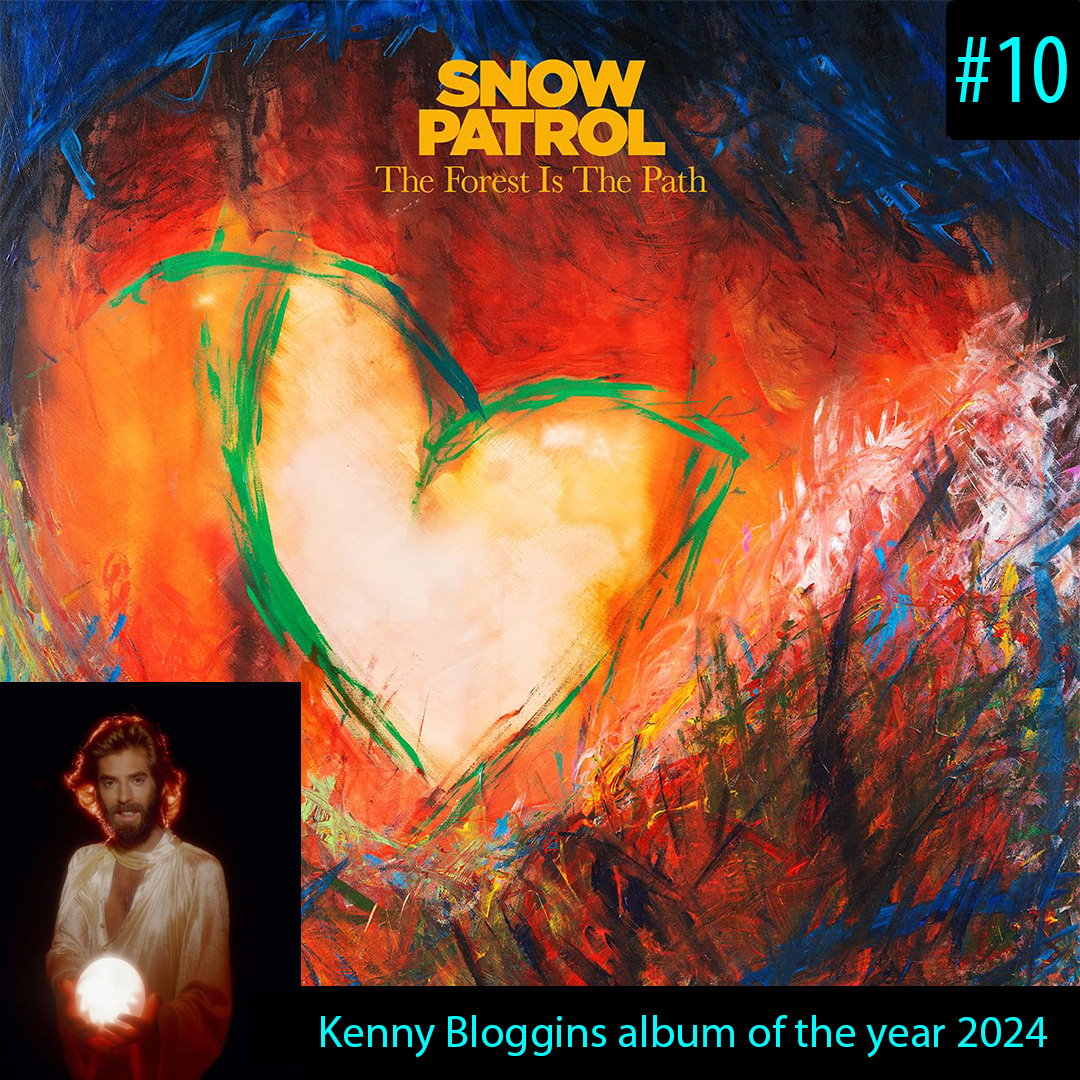
10) Snow Patrol – The Forest Is The Path
On their eighth studio album, Northern Irish-Scottish ensemble Snow Patrol have reimagined their soundscape with a refined lineup while enlisting the fabulous Fraser T. Smith to co-produce. The Forest Is thePath marks a triumphant return to their signature indie-rock sound, weaving haunting melodies with raw, evocative storytelling. Softer tracks like ‘What If Nothing Breaks?’ and ‘Talking About Hope’ echo the poignant simplicity of early Snow Patrol, while ‘All’ and ‘Years That Fall’ chart a bright path to come—there should be no worry about the future of this band that means so much to so many.
Standout Tracks: All | Talking About Hope | What If Nothing Breaks | Years That Fall
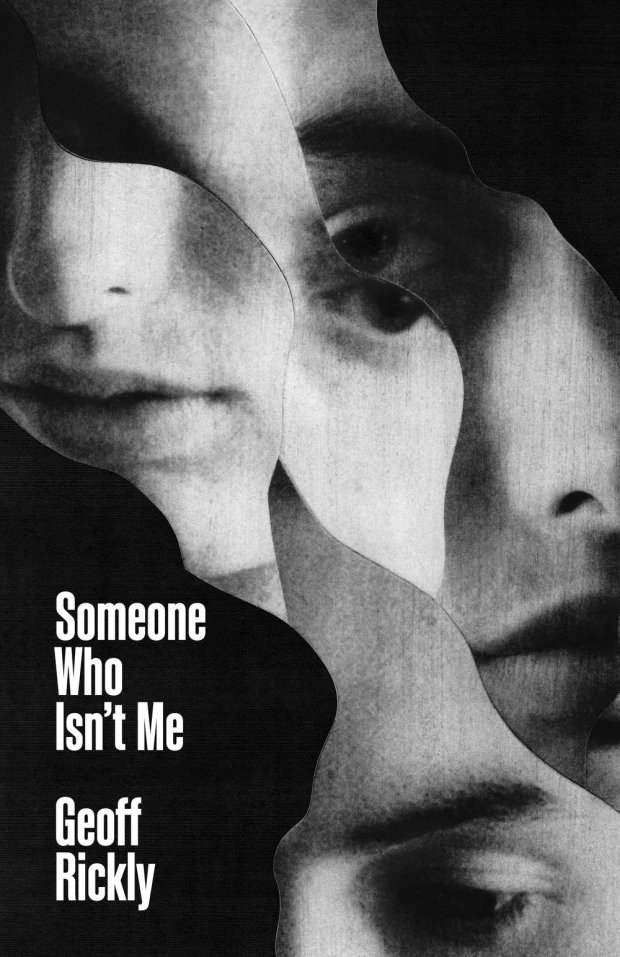
Someone Who Isn’t Me is a languid cautionary tale that takes readers through the rollercoaster ride of addiction. There are scenes of scoring junk outside a place of employment in order to use at work, descriptions of how years of abuse can swallow your identify and blur reality, and depictions of the types of challenges faced on the road to salvation/sobreity.
This debut from Geoff Rickly navigates the full mental lifecycle of a hard drug user long after it’s taken a devastating toll on their inner psyche. Revealing diction takes readers on an intriguing odyssey of introspection, an exercise in self-exploration used to attempt to overcome the harrowing grips that opioid-based substances can place on a mind.
This novel is for those who want a raw read and wish to better understand all aspects of human nature. Specifically, what life is like being haunted by drug addiction in an unromantic, seemingly accurate portrayal that will feed curious minds. Fans of Burroughs’ works like Naked Lunch and other exposés that take creative approaches to writing about the effects of chemical dependency will find this to be a thrilling, modern day take. Not a single page is wasted throughout this semi-autobiographical text, turning the many hallucinatory passages about losing sight of yourself into something layered, vulnerable, and even beautiful:
My reflection listens carefully, worrying the corners of two folded-up hundred dollar bills in his jacket pocket, as he enters the freezer section. When my man reaches the frozen pizzas, he looks at my reflection in the glass of the freezer doors, and I wonder if he sees what I see: the reflection of my reflection, the ghost of my ghost, floating in the cold phosphor glare of the market hungry but unable to eat, thirsty but unable to drink.
At the core of this novel is an interesting exploration of using ibogaine, a real plant-based psychoactive compound leveraged by rehab clinics in Mexico, to help users introspectively dissect certain life events that are believed to be at the root of amplifying addictive behaviors. The goal is to finally face those issues head-on and hopefully, get clean. This allows the protagonist to have dream-like experiences—some seem to be completely real visions of actual occurrences while others are distorted realities—to help him work through what causes him to use, see how much he is cared for, and figure out how to navigate the next phase of his life while trying to stay sober.





 KennyBloggins is Kenny Bringelson